
05 Mar,2026
Roof Rail Cross Bars: Enhancing Vehicle Utility and Safety in 2026
Advanced roof rail cross bars suppliers offering durable, aerodynamic, and versatile solutions for vehicles with secure cargo carrying options


In 2026, roof rail cross bars have become one of the most sought‑after automotive accessories, transforming how drivers utilize vehicle space while maintaining safety and performance. With the global rise in outdoor activities, adventure travel, and cargo transport needs, more vehicle owners are seeking reliable, adaptable solutions to expand their vehicle’s carrying capacity. Roof rail cross bars are now widely recognized not just as optional add‑ons, but as essential components for maximizing utility without compromising on aerodynamics or safety.
Roof rail cross bars are mounted atop vehicle roof rails or fixed points, creating a robust base for attaching cargo carriers, bike racks, ski holders, rooftop tents, and luggage boxes. These accessories are engineered to balance strength, ease of installation, aerodynamic performance, and compatibility with a wide range of vehicle models. As demand grows, manufacturers are responding with innovative engineering techniques and advanced materials to meet diverse customer needs.
One of the primary drivers of the roof rail cross bars market expansion is the surge in outdoor recreation worldwide. Families, cyclists, campers, and adventure enthusiasts are increasingly investing in vehicles equipped with cross bars to support equipment and gear for long weekend trips or extended vacations. Unlike traditional rear cargo storage solutions, roof rail cross bars allow for greater flexibility and easy access to stored items without obstructing rear visibility or vehicle operation.
Safety remains a critical focus in roof rail cross bar design. Modern cross bars undergo rigorous testing to ensure they can withstand dynamic loads, including high winds, sudden stops, and uneven road conditions. Materials such as high‑strength aluminum alloys and reinforced steel provide excellent load‑bearing capacity while minimizing added weight. Advanced locking mechanisms and anti‑theft features are also incorporated to protect both the cross bars and attached cargo from theft or accidental detachment.
Aerodynamic performance is another key consideration. Poorly designed roof accessories can increase air resistance, leading to higher fuel consumption and wind noise during travel. Today’s roof rail cross bars feature streamlined shapes and precision engineering to reduce drag, maintaining fuel efficiency and ride comfort even when fully loaded. Many manufacturers collaborate with automotive OEMs to test cross bar profiles in wind tunnels and real‑world conditions, ensuring that vehicles equipped with these accessories maintain optimal performance.
The adoption of roof rail cross bars is not limited to passenger vehicles. Commercial fleets, emergency response units, and utility vehicles also benefit from cross bars’ versatility. For businesses, roof rail cross bars provide a cost‑effective way to transport tools, ladders, and oversized equipment without sacrificing interior cargo space. This capability has made cross bars an attractive investment for small businesses and large enterprises alike.
Technological advancements are further shaping the roof rail cross bars industry. Some models now include modular designs that allow users to quickly reconfigure mounting points for different types of cargo. Smart sensors and load indicators integrated into cross bars can alert drivers when weight limits are exceeded or when balance adjustments are needed. Additionally, manufacturers are increasingly offering cross bars compatible with electric vehicles, addressing the unique aerodynamics and weight distribution characteristic of EV platforms.
Sustainability has also become an influential factor. Many roof rail cross bars are now produced using recycled or eco‑friendly materials without compromising durability. Packaging and supply chain strategies are being optimized to reduce carbon footprints, appealing to environmentally conscious consumers who demand high performance and low environmental impact.
With the growing popularity of roof rail cross bars, aftermarket services are expanding rapidly. Installation centers, accessory retailers, and online retailers are offering customization options, professional fitting services, and bundled accessory packages tailored to different vehicle models and user needs. Consumer education campaigns highlight proper installation, maintenance, and load safety guidelines, helping users make informed decisions and use cross bars responsibly.
In summary, roof rail cross bars have evolved from niche add‑ons to essential vehicle enhancements in 2026. Their role in enabling safe, efficient, and flexible cargo transport has resonated with diverse market segments—from recreational adventurers to commercial users. With continued innovation, improved safety features, and growing sustainability initiatives, roof rail cross bars are expected to remain a cornerstone of vehicle utility accessories well into the future.
Apr 30,2025
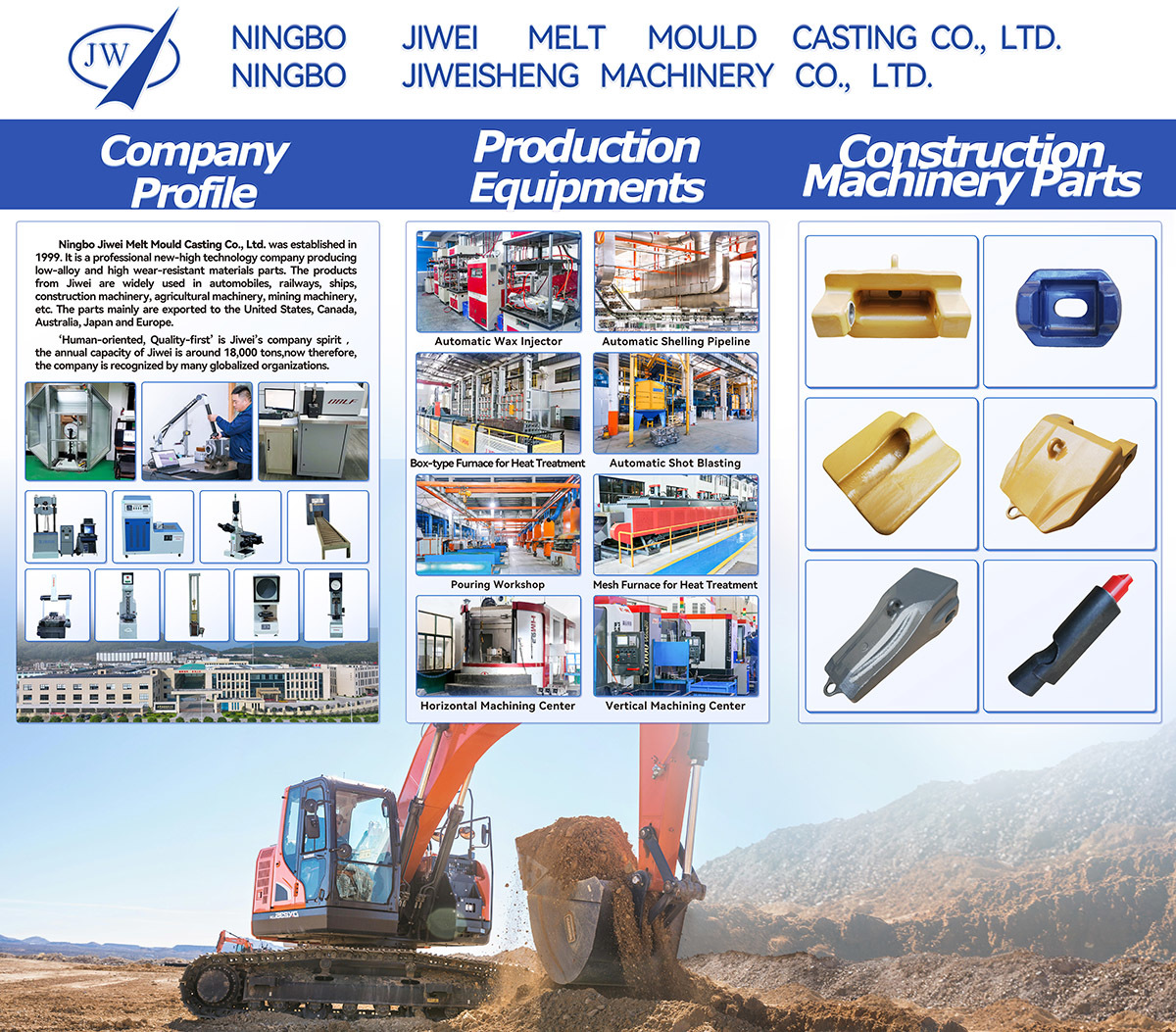
2025 Mexico Exhibition
Apr 30,2025
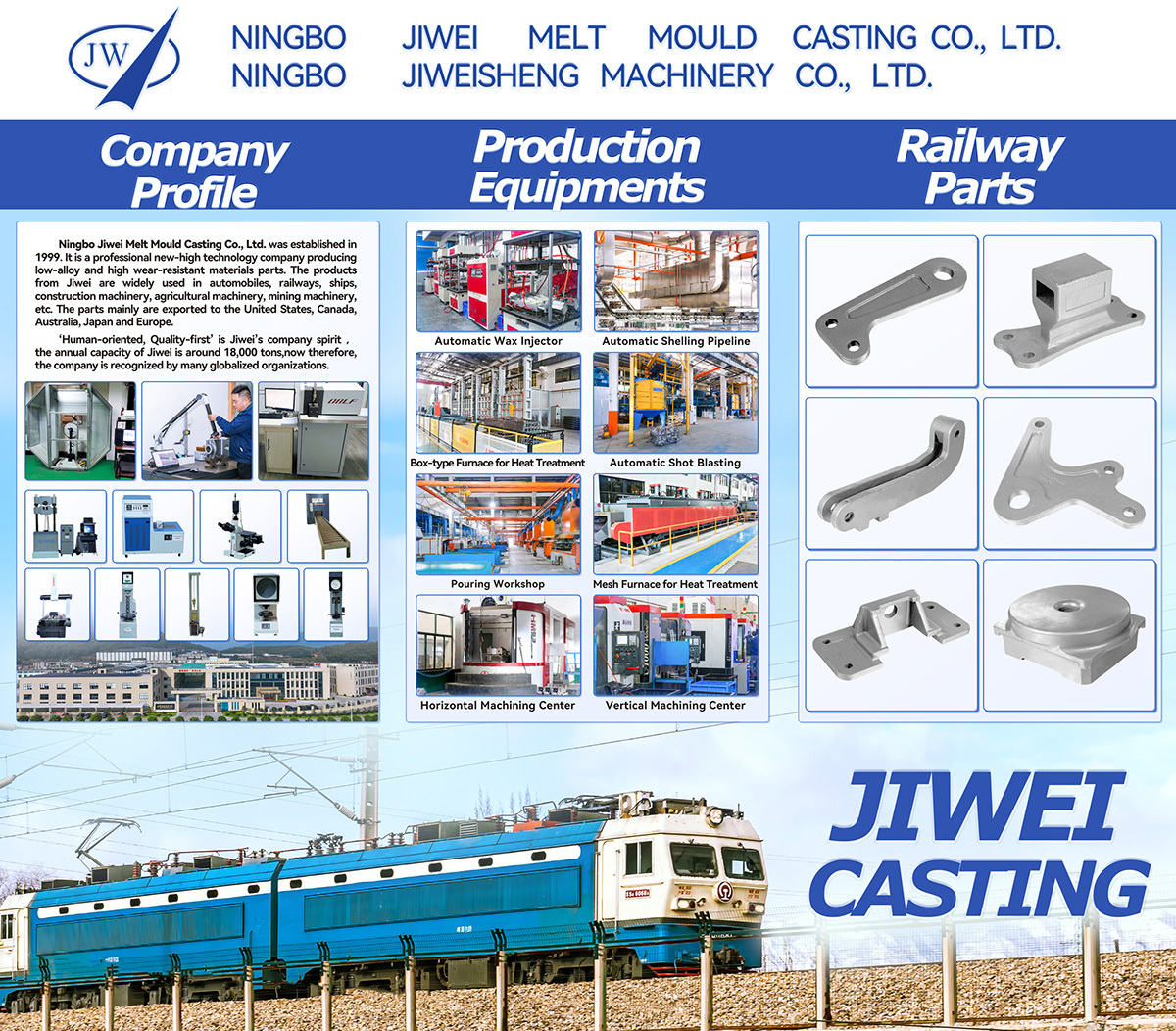
2025 American Rail Show