
05 Dec,2025
Global Market for Agricultural Machinery Parts Expands Rapidly Amid Rising Mechanization Demand
Rising global demand for agricultural machinery parts is driven by farm modernization, stronger equipment needs, and expanding markets across developing regions


Global demand for agricultural machinery parts is increasing at an unprecedented pace as farming regions worldwide accelerate their shift toward mechanization. Market reports released this quarter show strong growth in components used for tractors, harvesters, seeders, sprayers, and tillage machines, with manufacturers ramping up supply to meet the needs of both developed and emerging agricultural economies.
Industry analysts note that the surge in demand for agricultural machinery parts is being driven by several key factors. First, labor shortages in rural regions have pushed farms to adopt more automated and efficient equipment. Second, large-scale commercial farming operations are expanding, particularly in Africa, South America, and Southeast Asia, creating additional demand for durable, high-performance components. Third, multiple governments are launching agricultural modernization programs that include subsidies for machinery upgrades and replacement parts.
According to the latest export data, suppliers of agricultural machinery parts—including precision gears, bearings, drive shafts, hydraulic cylinders, blades, bushings, housings, and custom-fabricated metal structures—experienced double-digit growth in 2024 and early 2025. Chinese manufacturers, in particular, have strengthened their global presence by offering competitive pricing, reliable quality, and advanced production capabilities in casting, forging, CNC machining, and hydraulic systems.
Experts emphasize that high-quality agricultural machinery parts play an essential role in ensuring stable field performance. As farming equipment operates under harsh conditions—dust, mud, moisture, vibration, and heavy load—components must be engineered to withstand wear and tear. Many suppliers are now utilizing reinforced steels, upgraded heat-treatment processes, and advanced surface coatings to increase component durability and corrosion resistance.
The rise of smart farming and digital agriculture is also reshaping the agricultural machinery parts sector. Modern components increasingly integrate sensors, IoT-ready modules, and electronic control systems that allow farmers to monitor machine status in real time. These smart parts support predictive maintenance, which helps reduce downtime during critical periods such as planting and harvesting seasons. Manufacturers are investing heavily in R&D to produce parts compatible with precision farming technologies, including GPS-guided equipment and automated steering systems.
Despite global supply chain fluctuations and rising raw material prices, the agricultural machinery parts market has remained resilient. Companies with strong engineering capabilities, flexible production lines, and comprehensive OEM/ODM services continue to gain market share. Many exporters are expanding their international logistics networks to offer faster delivery and better after-sales support, which has become a major competitive advantage for distributors and wholesalers.
In addition, sustainability initiatives are influencing the design and production of agricultural machinery parts. As more countries introduce environmental standards for farming equipment, manufacturers are developing components that support fuel efficiency, reduced emissions, and lower energy consumption. Lightweight structural parts, eco-friendly materials, and recyclable metal components are becoming increasingly common across the industry.
Looking ahead, analysts predict that the global agricultural machinery parts market will maintain strong momentum through 2025 and beyond. With the world’s population continuing to grow and agricultural productivity facing mounting pressure, the reliability of machinery components will become even more critical. As international competition intensifies, manufacturers across the supply chain are accelerating technological upgrades and forming new partnerships to strengthen their positions in global markets.
The industry’s long-term outlook remains positive, supported by rising investment in modern farming, expanding commercial agricultural projects, and growing interest in precision and digital agriculture. As farms continue to mechanize and upgrade equipment, demand for high-quality agricultural machinery parts is expected to reach record levels.
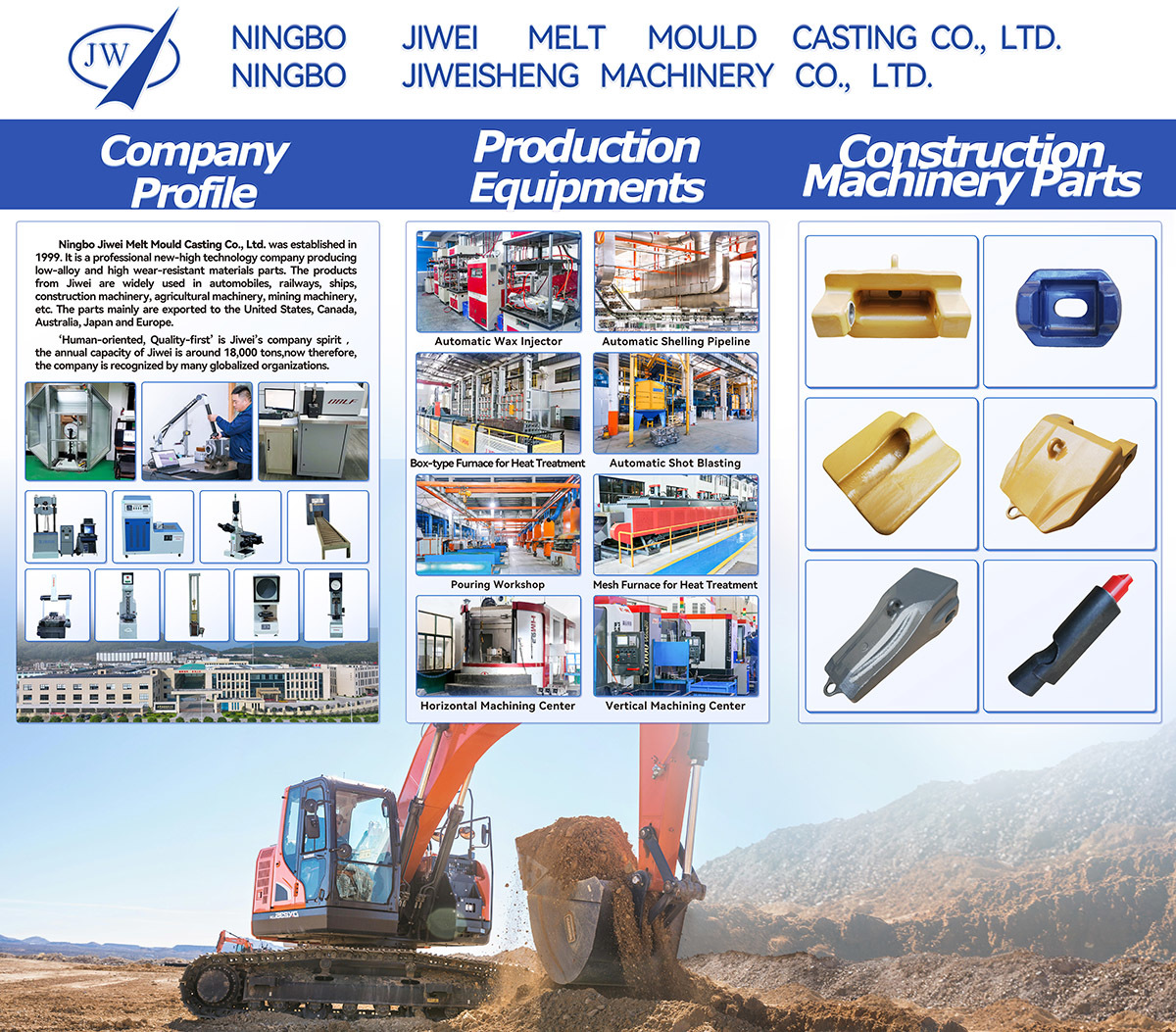
Apr 30,2025
2025 Mexico Exhibition
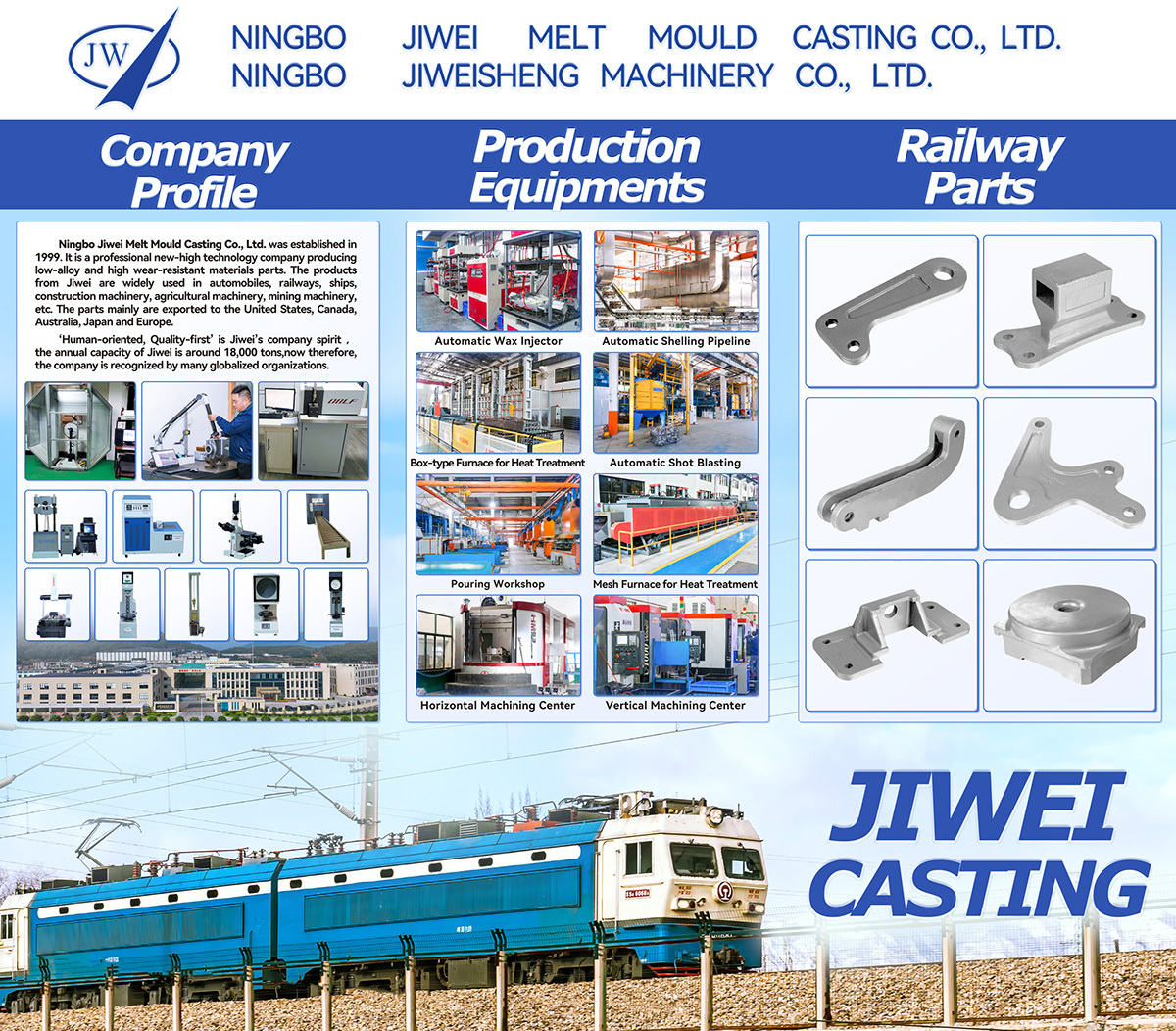
Apr 30,2025
2025 American Rail Show