
08 Oct,2026
Casting stainless steel: process guide, methods, and key considerations


Article overview
This guide is written for manufacturing engineers, procurement managers, and quality professionals who are actively evaluating stainless steel casting processes, materials, and suppliers. It covers casting methods, alloy comparisons, post-processing requirements, defect management, and sourcing trade-offs — all updated for 2026.
Table of contents
- 1. What is casting stainless steel?
- 2. Stainless steel casting methods compared
- 3. Alloy selection: 304 vs 316 vs 17-4 PH vs duplex
- 4. Post-casting processes and US industry certifications
- 5. Defect identification, prevention, and remediation
- 6. US domestic vs. offshore foundry sourcing
- 7. How to evaluate a stainless steel casting supplier
- 8. FAQ
What is casting stainless steel?
Casting stainless steel refers to the manufacturing process of pouring molten stainless steel into a pre-formed mold, allowing it to solidify into a near-net-shape component. The result combines the corrosion resistance and mechanical strength of stainless steel alloys with the geometric freedom that only casting can deliver. Complex internal passages, undercuts, and asymmetric geometries that would be prohibitively expensive to machine from bar stock become entirely feasible through this process.
According to recent 2026 industry data, the global stainless steel casting market is projected to exceed $18 billion, growing at a compound annual rate of approximately 5.3%. Roughly 65% of all stainless steel casting parts produced globally are used in pumps, valves, and fluid control equipment — a statistic that underscores just how critical this process is to process industries, oil and gas, and water treatment infrastructure.
For a deeper understanding of stainless steel properties and composition, including the role of chromium content in passivation, the Wikipedia entry provides a solid foundation. What matters practically is recognizing that casting stainless steel is not a single process but a family of methods — each with distinct cost structures, tolerance capabilities, and application sweet spots.
Why casting outperforms other fabrication routes for certain geometries
Think of casting stainless steel the way a sculptor thinks about clay: the process works with shape rather than against it. Machining removes material; casting adds shape directly from liquid metal. For parts with internal cavities, irregular wall thicknesses, or features that would require multiple welded subcomponents, casting reduces part count, eliminates weld joints (a common corrosion initiation site), and cuts lead time substantially. That said, casting is not always the right choice. For thin, flat components produced in very high volumes, stamping or deep drawing typically wins on cost.
Key industries relying on stainless steel casting parts
Real-world demand for stainless steel foundry output is concentrated in a handful of sectors: oil and gas (valve bodies, impellers, manifolds), food processing and dairy (hygienic pump housings, fittings), medical devices (surgical instrument components, implant hardware), marine hardware, and defense systems. Each industry imposes its own certification requirements — a topic addressed in detail in the post-casting processes section below.
Stainless steel casting methods compared
The right casting method depends on part geometry, annual volume, dimensional tolerance, and surface finish requirements. Investment casting stainless steel dominates precision applications, but it is not universally the most cost-effective option. Here is how the four primary methods stack up against each other.
Investment casting (lost wax casting)
Lost wax casting stainless steel — also called precision casting stainless steel — involves creating a wax pattern, coating it in ceramic slurry to form a shell, melting out the wax, and pouring molten alloy into the cavity. The process routinely achieves tolerances of ±0.005 inches and surface finishes in the Ra 100–200 µin range without secondary machining. Tooling costs typically run $2,000–$15,000 per part, making it most economical for volumes above 500 pieces annually. This is the method behind the majority of precision stainless steel casting parts used in aerospace and medical applications.
Sand casting, lost foam, and centrifugal casting
Sand casting stainless steel is the oldest and most accessible method. It uses compacted sand molds, tolerates very large part sizes (hundreds of pounds), and carries low tooling costs — often under $1,000. The trade-off is coarser surface finish (Ra 500–1,000 µin) and looser dimensional tolerances (±0.03–0.06 inches), which typically necessitate machining on critical surfaces. Lost foam casting bridges some of that gap: the foam pattern vaporizes on contact with molten metal, producing near-net-shape parts with reduced post-processing. Centrifugal casting is a specialized variant where molten stainless steel is poured into a rotating mold; centrifugal force drives the metal outward, creating exceptionally dense, porosity-free cylindrical components like pipes, rings, and bushings. This method is particularly valued when uniform grain structure and mechanical property consistency are non-negotiable.

| Method | Tooling cost (USD) | Per-unit cost (500 pcs) | Dimensional tolerance | Surface finish Ra (µin) | Typical lead time |
|---|---|---|---|---|---|
| Investment casting | $2,000–$15,000 | $18–$80 | ±0.005 in | 100–200 | 6–10 weeks |
| Sand casting | $500–$3,000 | $8–$40 | ±0.030–0.060 in | 500–1,000 | 4–8 weeks |
| Lost foam casting | $1,000–$6,000 | $12–$55 | ±0.015–0.030 in | 250–500 | 5–9 weeks |
| Centrifugal casting | $3,000–$20,000 | $25–$120 | ±0.010–0.020 in | 125–300 | 6–12 weeks |
Alloy selection: 304 vs 316 vs 17-4 PH vs duplex
Selecting the wrong alloy for a casting application is one of the most costly mistakes an engineer can make — and it happens more often than the industry admits. The four alloy families most commonly encountered in stainless steel alloy casting are austenitic grades (304, 316), precipitation-hardening grades (17-4 PH), and duplex grades (2205). Each has a distinct performance envelope.
Alloy selection matrix with corrosion resistance and mechanical properties
| Grade | Yield strength (ksi) | Tensile strength (ksi) | Corrosion resistance | Typical US applications |
|---|---|---|---|---|
| 304 (CF-8) | 30–35 | 70–80 | Good — general atmospheric and mild chemical | Food equipment, architectural, general industrial |
| 316 (CF-8M) | 30–38 | 72–84 | Excellent — chloride and pitting resistant (Mo) | Marine, pharmaceutical, chemical processing, FDA-regulated |
| 17-4 PH (CB-7Cu) | 115–175 | 140–190 | Good — moderate chemical, low humidity | Aerospace, defense, oil & gas valve stems, pump shafts |
| Duplex 2205 (CD-3MN) | 65–80 | 90–110 | Superior — chloride SCC resistance, high-strength | Offshore platforms, desalination, pressure vessels |
A practical note from real testing: 304 stainless steel casting performs well in general industrial environments, but actual testing in coastal or chloride-heavy conditions reveals premature pitting failure at weld lines and thinner casting walls. Moving to 316 stainless steel casting adds roughly 8–12% to material cost but delivers significantly longer service life in those environments. The upgrade is almost always justified. For structural applications demanding both high strength and moderate corrosion resistance, 17-4 PH in the H900 condition is a benchmark choice among US aerospace and defense procurement teams. Duplex grades like 2205 are the go-to when stress corrosion cracking in chloride media is the primary threat.
When 304 is enough — and when it is not
Why do so many engineers default to 304 even when the service environment argues against it? Often it is familiarity and cost pressure. 304 stainless steel casting is the industry workhorse for a reason — it is weldable, widely available from US foundries, and priced competitively. But in chlorinated water systems, coastal marine structures, or any application involving frequent cleaning with bleach-based agents (common in food processing), 304 will show localized corrosion within 12–36 months. The rule of thumb: if there is any chloride present above 200 ppm, specify 316 or duplex without debate.
Post-casting processes and US industry certifications
One of the most consistently overlooked aspects of the stainless steel casting process is what happens after the part leaves the mold. The as-cast surface of a stainless steel component is not corrosion-resistant in the way the alloy's theoretical performance implies. That is the first thing to understand.
Solution annealing, passivation, and electropolishing
Solution annealing is performed at 1,900–2,050°F followed by rapid quenching. This dissolves any carbide precipitates that form at grain boundaries during slow cooling — a phenomenon called sensitization that destroys intergranular corrosion resistance. It is mandatory for 316 and duplex castings intended for aggressive service. Passivation per ASTM A967 follows: the part is treated in nitric acid or citric acid solution to dissolve free iron from the surface and restore the chromium oxide passive layer. Without this step, the casting's corrosion resistance can fall to just 30–40% of the wrought alloy specification. Electropolishing goes further still — it electrochemically removes the outermost metal layer, reducing surface roughness to Ra 10–30 µin and producing a surface that is demonstrably cleaner and more corrosion-resistant. For FDA-regulated applications (pharmaceutical, food processing, biotech), electropolished 316 stainless steel casting surfaces are effectively the minimum standard.
"Passivation is not optional for austenitic stainless steel castings in any application where crevice corrosion or chloride-induced pitting is a foreseeable failure mode. ASTM A967 provides the minimum acceptance criteria that procurement teams should write into their purchase specifications."
— Adapted from ASM International materials engineering guidance on investment casting of stainless steel
Certification requirements by US industry
Different end markets impose distinct certification obligations on stainless steel casting suppliers. ASME B16.34 governs valve castings used in pressure-rated piping systems; ASTM A351 covers austenitic steel castings for pressure-containing parts. FDA 21 CFR Part 211 and cGMP requirements apply to pharmaceutical equipment. For defense and aerospace applications, DFARS clause 252.225-7014 may require domestic melt and domestic manufacturing — a requirement that effectively excludes offshore foundries from the supply chain regardless of price advantage. Procurement teams who fail to identify these requirements early in the sourcing process often discover expensive rework or rejection cycles downstream.
Defect identification, prevention, and remediation
Casting defects in stainless steel are not random events. They follow predictable metallurgical and process logic — which means they can be anticipated, designed against, and largely prevented. The three most consequential defect types for quality engineers to understand are shrinkage porosity, hot tearing, and sigma phase embrittlement.
Shrinkage porosity and hot tearing
Shrinkage porosity forms when molten metal contracts during solidification and liquid metal cannot feed the shrinking volume fast enough. In stainless steel, the solidification range is relatively wide, which increases susceptibility. The result: internal voids that reduce mechanical strength, create leak paths in pressure parts, and often go undetected until hydrostatic or radiographic testing. Prevention relies on proper riser design, controlled pouring temperature, and — increasingly — casting simulation software like Magmasoft or ProCAST, which in 2026 are capable of predicting shrinkage zones with greater than 90% accuracy before a single mold is cut. Hot tearing occurs when solidifying dendrites are pulled apart by thermal stresses before the casting achieves sufficient strength. It manifests as irregular intergranular cracks, most commonly at section changes and sharp internal corners. Design mitigation is straightforward: generous fillet radii (minimum 0.06 inches for thin-wall stainless), uniform wall thickness transitions, and gating designs that avoid directional freezing toward isolated thick sections.
Sigma phase embrittlement — the hidden threat in duplex alloys
Of all defects encountered in corrosion resistant metal casting, sigma phase embrittlement is arguably the most insidious because it is invisible to radiographic inspection and emerges only during service at elevated temperature. Sigma phase — a hard, brittle intermetallic compound — precipitates in duplex stainless steels when they are held in the 1,100–1,700°F range for extended periods. The result is a catastrophic loss of toughness and corrosion resistance with no external visual indication. Prevention requires strict control of casting cooling rates and mandatory solution annealing after casting. Any duplex stainless steel casting supplier who cannot document thermal cycle records for their heat treatment furnaces is a supplier worth avoiding.
- Obtain radiographic testing (RT) or computed tomography (CT) reports per ASTM E94 for all pressure-containing castings.
- Require dye penetrant inspection (DPI) per ASTM E165 for surface-breaking cracks on precision casting stainless steel parts.
- Verify heat treatment records: solution anneal temperature, hold time, and quench rate documented per batch.
- Perform passivation verification using copper sulfate test or ferroxyl test per ASTM A380.
- Conduct dimensional audit against casting tolerances specified in ASME Y14.5 or customer drawing requirements.
US domestic vs. offshore foundry sourcing
The sourcing decision for custom stainless steel casting has grown considerably more complex since 2022, and the landscape in 2026 is shaped by factors that go well beyond unit price. The narrative that "offshore is cheaper" deserves scrutiny — and in certain cases, it is simply wrong.
Tariff exposure, lead time risk, and DFARS compliance
Section 301 tariffs on Chinese-origin metal castings currently add 25% to landed cost for most categories. For a procurement engineer comparing a $22/unit price from a Chinese stainless steel casting manufacturer against a $28/unit quote from a domestic stainless steel casting supplier, the effective landed cost from China — after tariff, ocean freight, customs brokerage, and inventory carrying cost — often exceeds the domestic price. Factor in a 14–18 week ocean transit and inventory buffer requirement versus 5–7 weeks from a US foundry, and the total cost picture shifts further. Indian foundry sources typically carry lower tariff exposure but introduce their own lead time variability and quality certification gaps. DFARS compliance is a binary issue: if your end customer is the US Department of Defense or a prime defense contractor, domestic melt and domestic manufacturing are mandatory. No cost optimization argument overrides this requirement.
Quality certification differences and risk allocation
US-based stainless steel foundries operating under NADCAP accreditation, ISO 9001:2015, or AS9100D certification carry a documented quality management burden that most offshore producers — at comparable price points — simply do not match. The practical implication: when a casting failure causes a product recall or field incident, the audit trail and liability framework are far cleaner with a certified domestic supplier. Of course, there are also highly capable ISO-certified foundries in Asia, and dismissing them categorically would be inaccurate. The point is that certification verification must be rigorous, remote audits must supplement document review, and first-article inspection (FAI) requirements should be written into the purchase order for any new offshore stainless steel casting supplier relationship.
For a detailed technical overview of the stainless steel casting process, Industrial Metal Service provides a useful reference that procurement teams can share with engineering stakeholders during supplier evaluations.
How to evaluate a stainless steel casting supplier
Choosing a stainless steel casting manufacturer is not simply a matter of comparing price sheets. A supplier evaluation process that skips technical due diligence creates downstream risk that almost always costs more than the price savings realized upfront.
Technical capability and process controls
At minimum, a qualified stainless steel casting supplier should be able to demonstrate: in-house spectrometric chemistry analysis (OES) for heat verification; calibrated dimensional inspection equipment (CMM preferred for precision casting stainless steel); documented gating and risering design capability or casting simulation software use; and heat treatment furnace calibration records per AMS 2750 (pyrometry standard). A supplier who cannot produce these records on request is telling you something important about their process maturity.
Stainless steel casting tolerances and the cost of over-specification
A recurring issue in actual procurement cases: engineers specify investment casting tolerances (±0.005 inches) on features that could easily be held to ±0.030 inches by sand casting, driving up cost by 40–60% with no functional benefit. Stainless steel casting tolerances should be assigned feature by feature — tight where the function demands it, relaxed where it does not. A capable custom stainless steel casting supplier will push back on over-tight tolerances and propose a design-for-manufacture (DFM) review. A supplier who simply accepts every tolerance without comment is either not reading the drawing carefully or is planning to miss the tolerance and hope it passes inspection.
The 2026 trend toward digital manufacturing integration is worth noting here: casting simulation software combined with AI-assisted defect prediction is shortening development cycles by over 50% at leading US foundries. Suppliers who have invested in this capability can offer validated first-article samples faster and with fewer design iterations — a concrete commercial advantage for programs with compressed launch timelines.
Frequently asked questions
Q: What is the difference between investment casting and sand casting for stainless steel?
A: Investment casting stainless steel achieves tighter tolerances (±0.005 in) and smoother surface finishes (Ra 100–200 µin) but carries higher tooling costs ($2,000–$15,000). Sand casting stainless steel has lower tooling cost (under $3,000) but looser tolerances and rougher surfaces requiring more machining. Choose based on volume, geometry complexity, and required surface finish.
Q: Is 304 or 316 stainless steel better for casting?
A: 304 stainless steel casting suits general industrial and food equipment applications with moderate corrosion exposure. 316 stainless steel casting is superior wherever chlorides, seawater, or aggressive chemicals are present, due to its molybdenum content. The cost premium for 316 is typically 8–12% — almost always justified in demanding environments.
Q: Does stainless steel casting require passivation?
A: Yes. As-cast stainless steel surfaces contain free iron, oxides, and scale that significantly reduce corrosion resistance. Passivation per ASTM A967 using nitric or citric acid restores the chromium oxide passive layer. Skipping this step can reduce effective corrosion resistance to 30–40% of the alloy's rated performance.
Q: What are typical lead times for custom stainless steel castings?
A: Lead times range from 4–8 weeks for sand casting to 6–12 weeks for investment casting or centrifugal casting, depending on complexity, foundry location, and post-processing requirements. Domestic US foundries typically quote 5–7 weeks versus 14–18 weeks for Chinese suppliers once ocean transit is included.
Q: Can stainless steel castings be used in FDA-regulated food or pharmaceutical applications?
A: Yes, provided the correct alloy (typically 316), post-casting passivation per ASTM A967, and electropolishing to Ra 15–30 µin are specified. The casting supplier must document material certifications, heat treatment records, and surface treatment compliance. Many US foundries serving FDA-regulated industries also carry 3-A Sanitary Standards certifications.
Conclusion
Casting stainless steel is a technically demanding discipline that rewards systematic decision-making at every stage — from alloy selection and process method choice through post-casting treatment, defect prevention, and supplier qualification. The engineers and procurement professionals who achieve the best outcomes are those who treat these decisions as interconnected rather than siloed. Choosing 316 means nothing if passivation is skipped. Specifying investment casting tolerances on non-critical features wastes budget. Selecting an offshore stainless steel casting manufacturer without verifying DFARS compliance creates program risk that no unit-price saving can offset. Used correctly, stainless steel casting delivers components with outstanding corrosion resistance, complex geometry, and long service life — exactly what the demanding applications that drive this $18 billion industry require.
Apr 30,2025
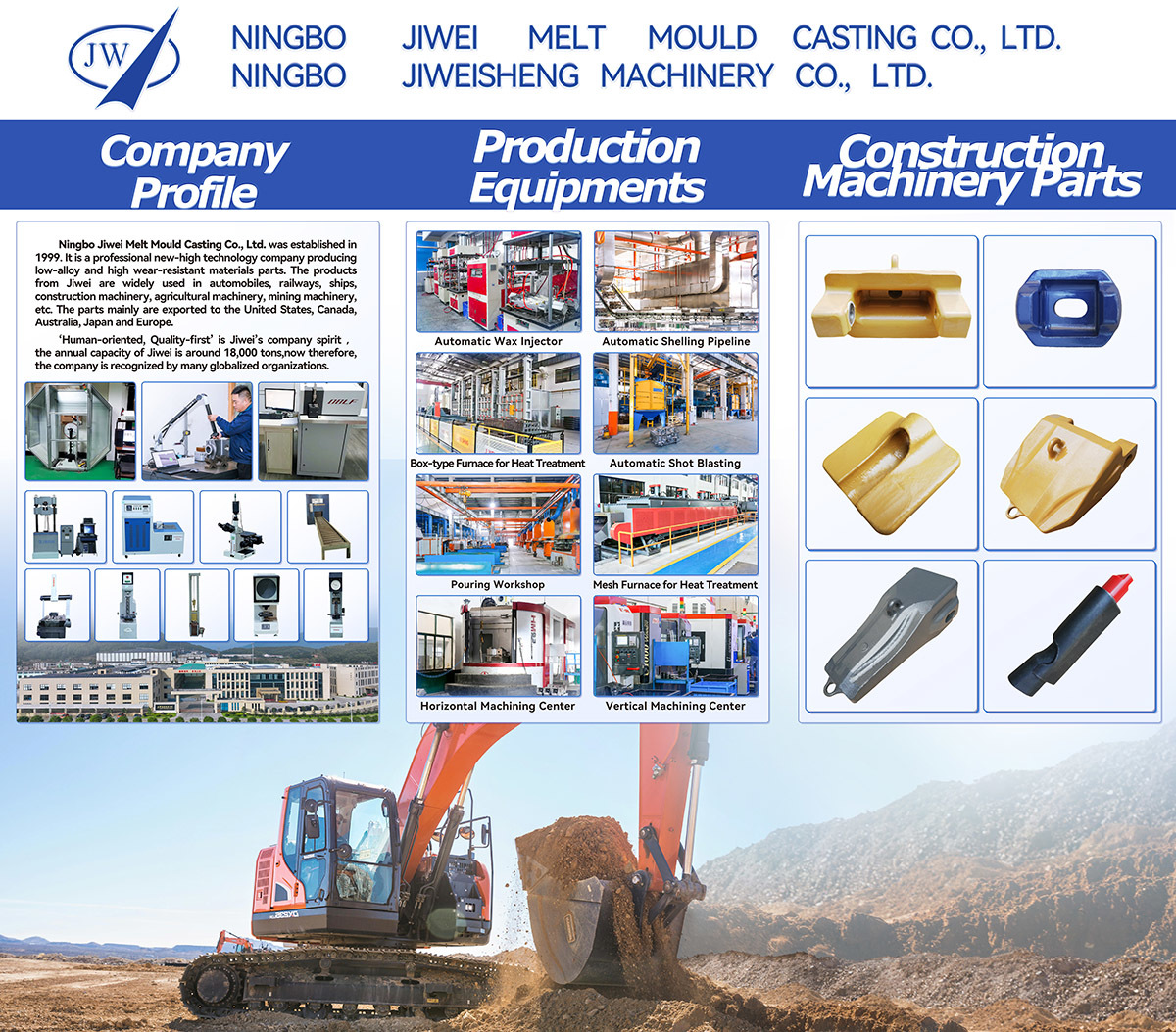
2025 Mexico Exhibition
Apr 30,2025
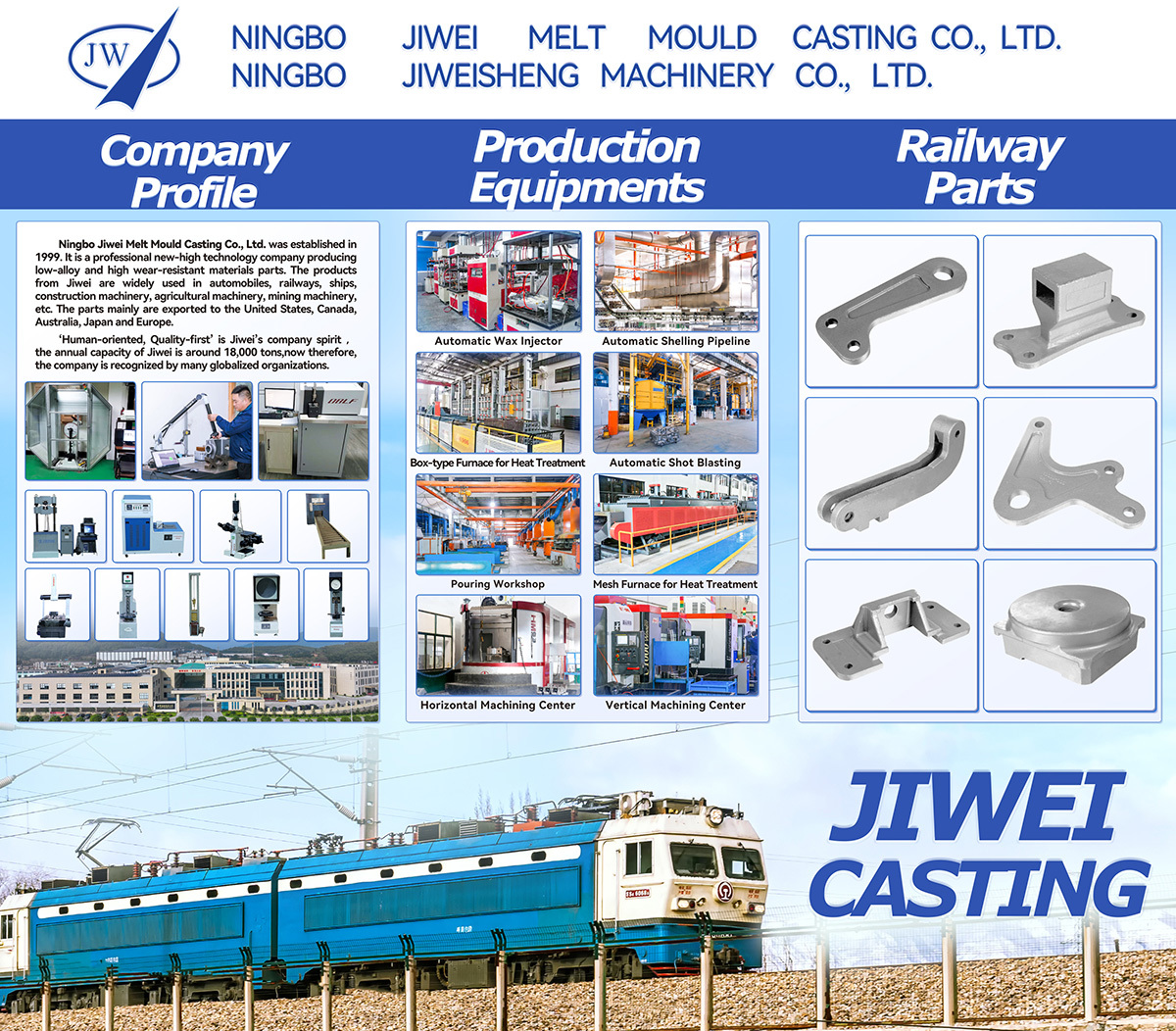
2025 American Rail Show