
19 Oct,2025
Understanding Railway Steel Casting: Essential Insights for Engineering Professionals
Railway steel casting plays a pivotal role in the manufacturing and processing of machinery, particularly in the engineering and construction sectors. As the backbone of rail infrastructure, steel castings are essential for producing durable and reliable components that ensure safety and efficiency in railway operations. This article will explore the essential aspects of railway steel casting, inc


Railway steel casting plays a pivotal role in the manufacturing and processing of machinery, particularly in the engineering and construction sectors. As the backbone of rail infrastructure, steel castings are essential for producing durable and reliable components that ensure safety and efficiency in railway operations. This article will explore the essential aspects of railway steel casting, including its processes, applications, and best practices.
The steel casting process involves the pouring of molten steel into molds to create specific shapes and sizes needed for railway components. The process begins with the design of the mold, which must accurately reflect the desired part. Common methods include sand casting, investment casting, and shell molding, each having its unique advantages. Sand casting is widely used due to its cost-effectiveness and versatility, while investment casting offers greater precision and finer surface finishes.
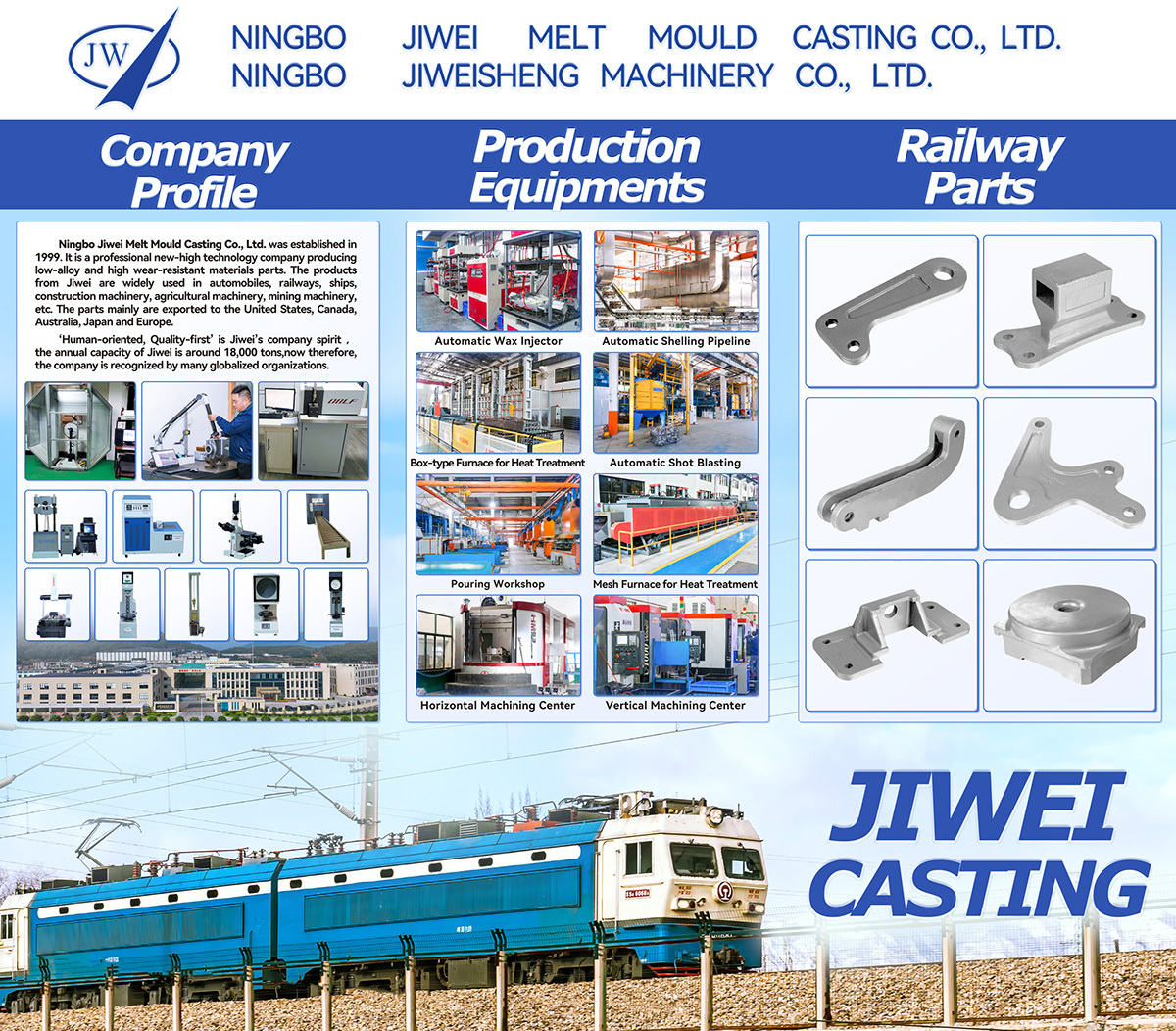
One of the primary benefits of railway steel casting is its ability to produce components with excellent mechanical properties. Steel castings are known for their strength, durability, and resistance to wear, making them ideal for high-stress applications in railway systems. Components such as railway wheels, couplers, and track components are often manufactured using steel castings, ensuring longevity and reliability.
In addition to mechanical properties, the quality of railway steel casting is influenced by several factors, including the selection of raw materials, the melting and pouring processes, and post-casting treatments. Using high-quality steel alloys can significantly enhance the performance of the final product. Furthermore, adopting advanced techniques such as heat treatment can improve the hardness and toughness of the cast components, making them better suited for the rigors of rail transport.
Another critical aspect of railway steel casting is quality control. Implementing rigorous testing procedures, such as non-destructive testing (NDT), can help identify potential defects in the castings before they are deployed in the field. Techniques like ultrasonic testing, radiography, and magnetic particle inspection ensure that only the highest quality components are used in railway applications, thereby enhancing safety and operational efficiency.
The application of railway steel casting extends beyond traditional rail systems. With the advent of modern rail technologies, including high-speed trains and automated systems, the demand for innovative casting solutions is increasing. This trend emphasizes the importance of staying updated with the latest advancements in casting techniques and materials.
In conclusion, railway steel casting is a fundamental aspect of manufacturing in the engineering and construction industries. Understanding its processes, applications, and quality assurance measures is crucial for professionals involved in the design and production of railway components. By leveraging the principles of steel casting, manufacturers can contribute to the development of safer and more efficient railway systems, ultimately enhancing the overall performance of transportation infrastructure.
The steel casting process involves the pouring of molten steel into molds to create specific shapes and sizes needed for railway components. The process begins with the design of the mold, which must accurately reflect the desired part. Common methods include sand casting, investment casting, and shell molding, each having its unique advantages. Sand casting is widely used due to its cost-effectiveness and versatility, while investment casting offers greater precision and finer surface finishes.
One of the primary benefits of railway steel casting is its ability to produce components with excellent mechanical properties. Steel castings are known for their strength, durability, and resistance to wear, making them ideal for high-stress applications in railway systems. Components such as railway wheels, couplers, and track components are often manufactured using steel castings, ensuring longevity and reliability.
In addition to mechanical properties, the quality of railway steel casting is influenced by several factors, including the selection of raw materials, the melting and pouring processes, and post-casting treatments. Using high-quality steel alloys can significantly enhance the performance of the final product. Furthermore, adopting advanced techniques such as heat treatment can improve the hardness and toughness of the cast components, making them better suited for the rigors of rail transport.
Another critical aspect of railway steel casting is quality control. Implementing rigorous testing procedures, such as non-destructive testing (NDT), can help identify potential defects in the castings before they are deployed in the field. Techniques like ultrasonic testing, radiography, and magnetic particle inspection ensure that only the highest quality components are used in railway applications, thereby enhancing safety and operational efficiency.
The application of railway steel casting extends beyond traditional rail systems. With the advent of modern rail technologies, including high-speed trains and automated systems, the demand for innovative casting solutions is increasing. This trend emphasizes the importance of staying updated with the latest advancements in casting techniques and materials.
In conclusion, railway steel casting is a fundamental aspect of manufacturing in the engineering and construction industries. Understanding its processes, applications, and quality assurance measures is crucial for professionals involved in the design and production of railway components. By leveraging the principles of steel casting, manufacturers can contribute to the development of safer and more efficient railway systems, ultimately enhancing the overall performance of transportation infrastructure.
Apr 30,2025
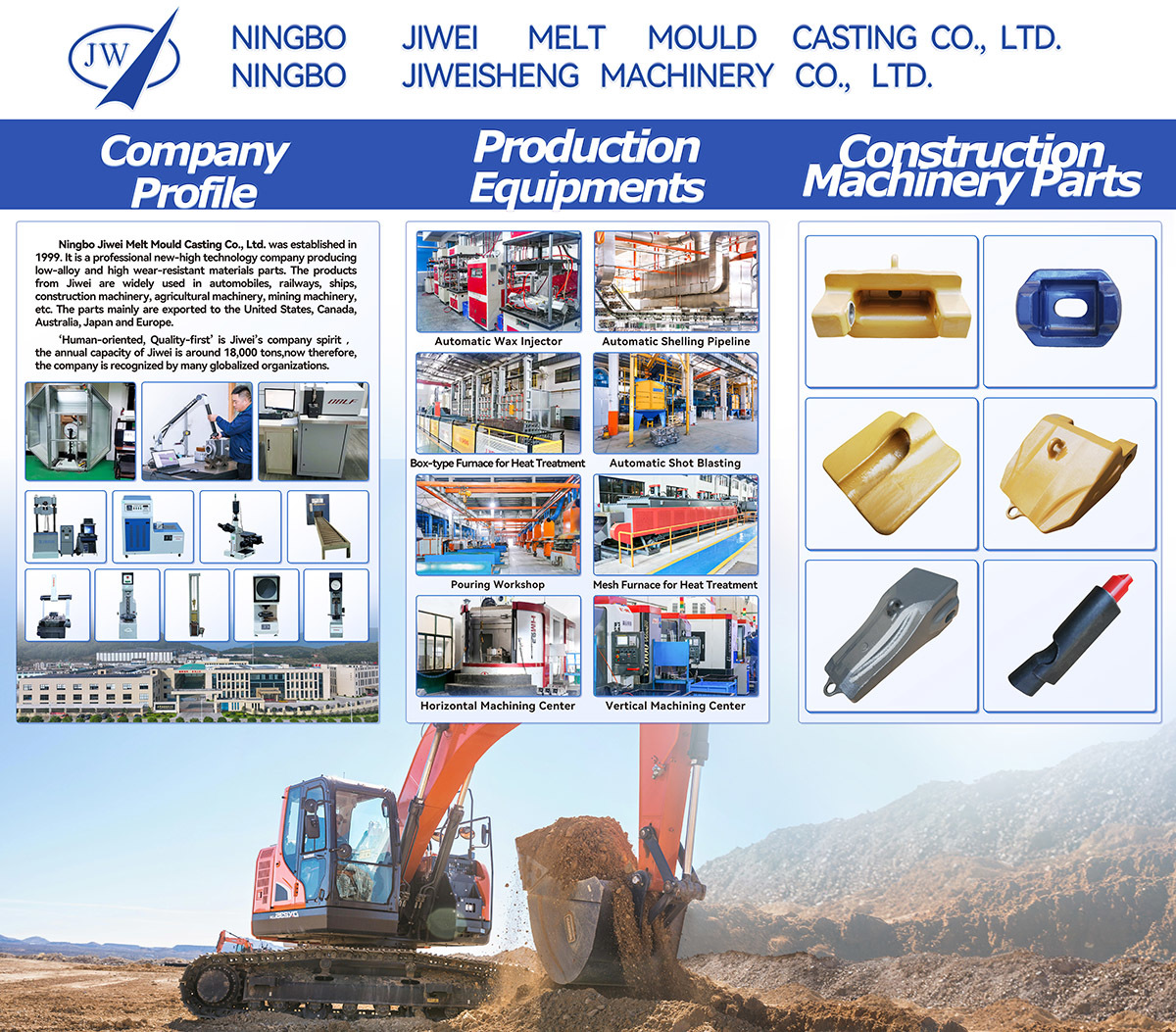
2025 Mexico Exhibition
Apr 30,2025
2025 American Rail Show