
23 Dec,2025
Understanding the Importance of Quality Railway Steel Casting in Engineering Machinery
In the manufacturing and processing of machinery, particularly within the fields of engineering and construction, the selection of materials plays a crucial role in ensuring the quality and longevity of products. One such material that stands out is quality railway steel casting. This type of steel casting is specifically designed for high-load applications, making it an ideal choice for various e


In the manufacturing and processing of machinery, particularly within the fields of engineering and construction, the selection of materials plays a crucial role in ensuring the quality and longevity of products. One such material that stands out is quality railway steel casting. This type of steel casting is specifically designed for high-load applications, making it an ideal choice for various engineering machinery components.
Quality railway steel casting is characterized by its exceptional strength and durability. This is primarily due to its unique composition, which typically includes a mix of carbon, manganese, and other alloying elements. These elements enhance the mechanical properties of the steel, allowing it to withstand significant stress and impact, which is vital in the demanding environments often encountered in construction and heavy machinery applications.
One of the most important aspects of quality railway steel casting is its ability to resist wear and tear. In engineering machinery, components are subjected to continuous friction and harsh conditions, leading to rapid degradation of inferior materials. However, with high-quality railway steel castings, manufacturers can ensure that the components have a longer lifespan, thereby reducing maintenance costs and downtime. This directly translates into higher efficiency and productivity on job sites.
Moreover, safety is a paramount concern in any engineering application. Using quality railway steel casting helps mitigate risks associated with equipment failure. Components made from this material are less likely to fracture or deform under extreme conditions, thereby enhancing the overall safety of machinery operations. This reliability is crucial for ensuring that workers are protected and projects can be completed without unforeseen interruptions.
In addition to its mechanical properties, quality railway steel casting also offers excellent machinability. This means that components made from this material can be easily fabricated into the required shapes and sizes, allowing for greater flexibility in design. Manufacturers can produce customized parts that meet specific project requirements without compromising on quality or performance.
The growing demand for quality railway steel casting in the engineering machinery sector underscores its importance. As industries increasingly seek reliable and durable components, understanding the benefits of this material becomes essential. By prioritizing quality railway steel casting, manufacturers can enhance the performance, safety, and longevity of their engineering machinery components, ultimately leading to more successful projects and satisfied customers.
In conclusion, quality railway steel casting is a critical material in the engineering machinery industry. Its strength, durability, wear resistance, and safety features make it an indispensable choice for manufacturers looking to improve their products. Investing in high-quality steel casting not only enhances the performance of machinery but also supports overall project success.
Quality railway steel casting is characterized by its exceptional strength and durability. This is primarily due to its unique composition, which typically includes a mix of carbon, manganese, and other alloying elements. These elements enhance the mechanical properties of the steel, allowing it to withstand significant stress and impact, which is vital in the demanding environments often encountered in construction and heavy machinery applications.
One of the most important aspects of quality railway steel casting is its ability to resist wear and tear. In engineering machinery, components are subjected to continuous friction and harsh conditions, leading to rapid degradation of inferior materials. However, with high-quality railway steel castings, manufacturers can ensure that the components have a longer lifespan, thereby reducing maintenance costs and downtime. This directly translates into higher efficiency and productivity on job sites.
Moreover, safety is a paramount concern in any engineering application. Using quality railway steel casting helps mitigate risks associated with equipment failure. Components made from this material are less likely to fracture or deform under extreme conditions, thereby enhancing the overall safety of machinery operations. This reliability is crucial for ensuring that workers are protected and projects can be completed without unforeseen interruptions.
In addition to its mechanical properties, quality railway steel casting also offers excellent machinability. This means that components made from this material can be easily fabricated into the required shapes and sizes, allowing for greater flexibility in design. Manufacturers can produce customized parts that meet specific project requirements without compromising on quality or performance.
The growing demand for quality railway steel casting in the engineering machinery sector underscores its importance. As industries increasingly seek reliable and durable components, understanding the benefits of this material becomes essential. By prioritizing quality railway steel casting, manufacturers can enhance the performance, safety, and longevity of their engineering machinery components, ultimately leading to more successful projects and satisfied customers.
In conclusion, quality railway steel casting is a critical material in the engineering machinery industry. Its strength, durability, wear resistance, and safety features make it an indispensable choice for manufacturers looking to improve their products. Investing in high-quality steel casting not only enhances the performance of machinery but also supports overall project success.
Apr 30,2025
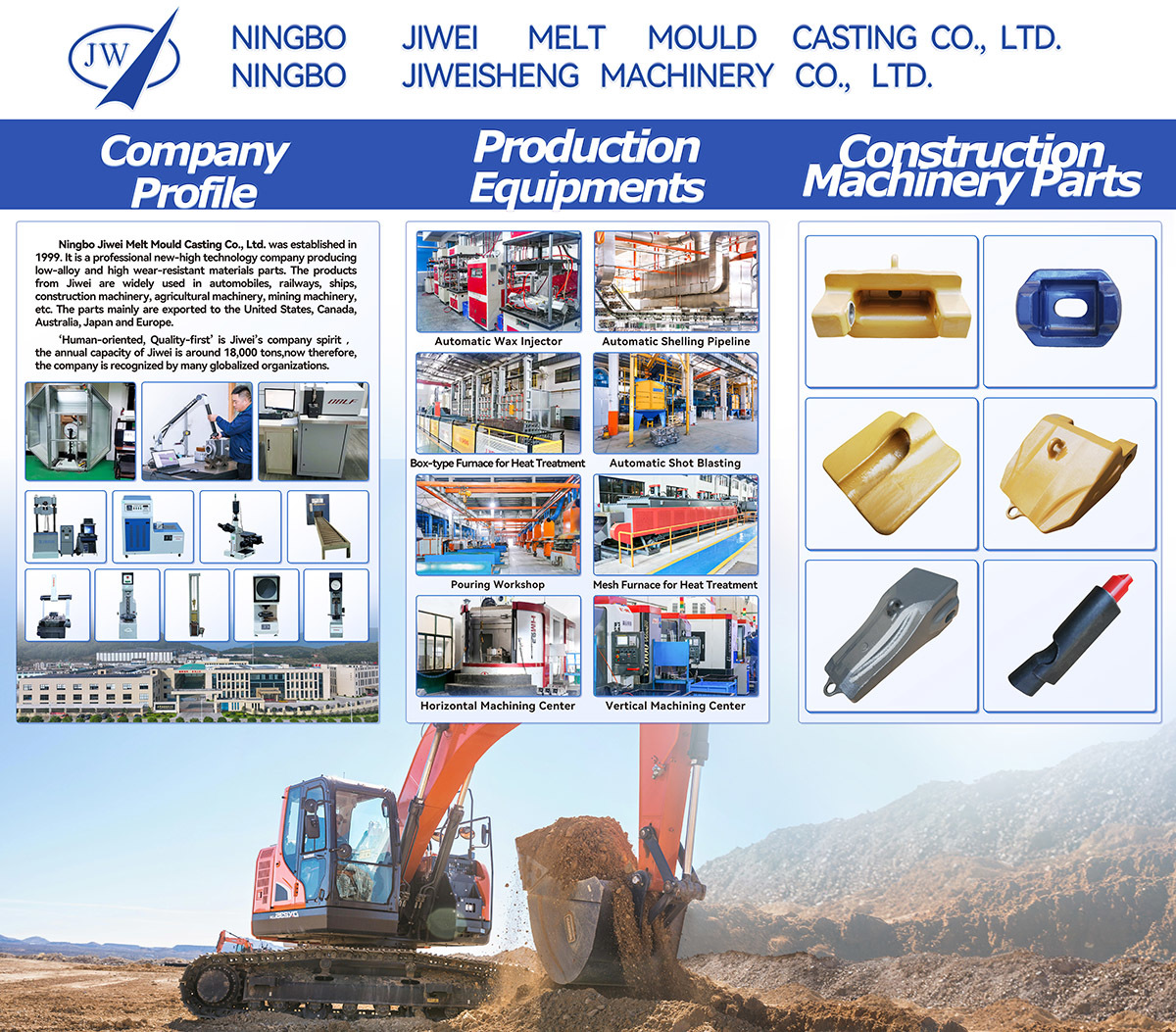
2025 Mexico Exhibition
Apr 30,2025
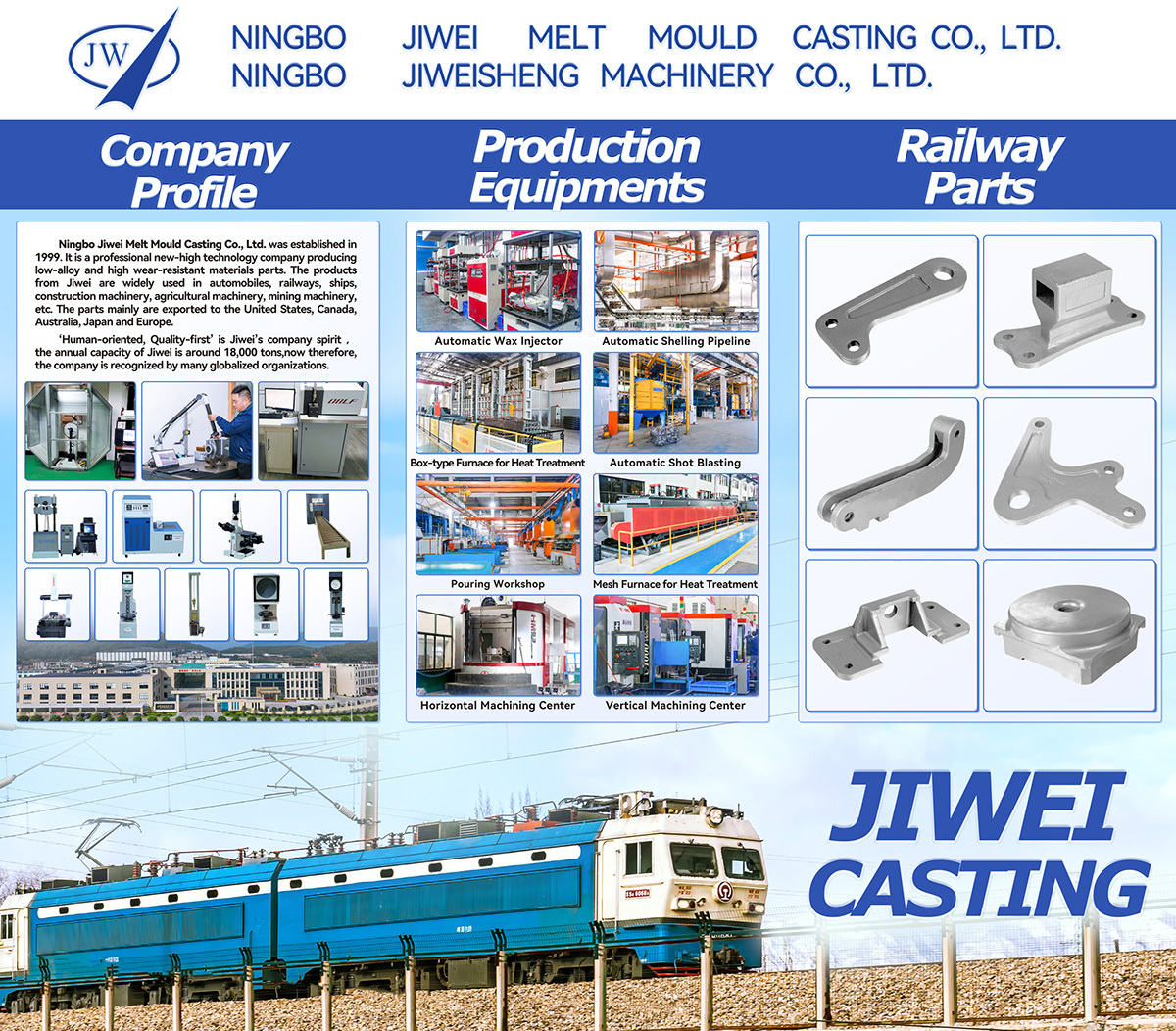
2025 American Rail Show