
06 Jan,2026
Exploring the Latest Innovations in Centrifugal Casting for Stainless Steel
Centrifugal casting is a highly efficient and versatile manufacturing process used to produce cylindrical parts with a high level of precision. In the field of metallurgy, particularly concerning stainless steel, the newest centrifugal casting techniques have opened up exciting possibilities. This process employs centrifugal force to ensure uniform material distribution, resulting in enhanced mech


Centrifugal casting is a highly efficient and versatile manufacturing process used to produce cylindrical parts with a high level of precision. In the field of metallurgy, particularly concerning stainless steel, the newest centrifugal casting techniques have opened up exciting possibilities. This process employs centrifugal force to ensure uniform material distribution, resulting in enhanced mechanical properties and reduced defects.
One of the key advantages of the newest centrifugal casting methods is their ability to produce stainless steel components with superior density. As molten stainless steel is poured into a rotating mold, the centrifugal force pushes the metal against the mold walls, leading to a denser and more homogenous material. This density is crucial for applications requiring high strength and corrosion resistance, such as in the energy sector where components are exposed to harsh conditions.
Moreover, the newest centrifugal casting techniques can accommodate a wide range of stainless steel grades, making it possible to tailor materials for specific applications. This flexibility is vital in industries that demand high-performance materials that can withstand extreme temperatures and corrosive environments. Additionally, advancements in mold design and materials have improved the overall efficiency of the process, reducing waste and energy consumption, which aligns with the industry’s push toward more sustainable practices.
The applications of stainless steel produced through centrifugal casting are extensive. In the energy sector, components such as turbine casings, pump bodies, and heat exchangers benefit from the exceptional mechanical properties offered by this manufacturing process. The ability to produce complex geometries without compromising material integrity has also made centrifugal casting a go-to method for high-value applications.
As we look to the future, the integration of smart technologies and automation within the centrifugal casting process offers exciting prospects. Enhanced monitoring and control systems can optimize the casting parameters, ensuring consistent quality and further reducing production times. This evolution not only improves the manufacturing process but also boosts overall productivity and competitiveness in the metallurgy sector.
In summary, the newest centrifugal casting techniques for stainless steel represent a significant leap forward in manufacturing technology. By leveraging the advantages of this process, industries can produce high-quality components that meet the rigorous demands of modern applications. As innovations continue to emerge, we can expect a growing reliance on centrifugal casting in the production of stainless steel parts, solidifying its role in the future of metallurgy and energy.
One of the key advantages of the newest centrifugal casting methods is their ability to produce stainless steel components with superior density. As molten stainless steel is poured into a rotating mold, the centrifugal force pushes the metal against the mold walls, leading to a denser and more homogenous material. This density is crucial for applications requiring high strength and corrosion resistance, such as in the energy sector where components are exposed to harsh conditions.
Moreover, the newest centrifugal casting techniques can accommodate a wide range of stainless steel grades, making it possible to tailor materials for specific applications. This flexibility is vital in industries that demand high-performance materials that can withstand extreme temperatures and corrosive environments. Additionally, advancements in mold design and materials have improved the overall efficiency of the process, reducing waste and energy consumption, which aligns with the industry’s push toward more sustainable practices.
The applications of stainless steel produced through centrifugal casting are extensive. In the energy sector, components such as turbine casings, pump bodies, and heat exchangers benefit from the exceptional mechanical properties offered by this manufacturing process. The ability to produce complex geometries without compromising material integrity has also made centrifugal casting a go-to method for high-value applications.
As we look to the future, the integration of smart technologies and automation within the centrifugal casting process offers exciting prospects. Enhanced monitoring and control systems can optimize the casting parameters, ensuring consistent quality and further reducing production times. This evolution not only improves the manufacturing process but also boosts overall productivity and competitiveness in the metallurgy sector.
In summary, the newest centrifugal casting techniques for stainless steel represent a significant leap forward in manufacturing technology. By leveraging the advantages of this process, industries can produce high-quality components that meet the rigorous demands of modern applications. As innovations continue to emerge, we can expect a growing reliance on centrifugal casting in the production of stainless steel parts, solidifying its role in the future of metallurgy and energy.
Apr 30,2025
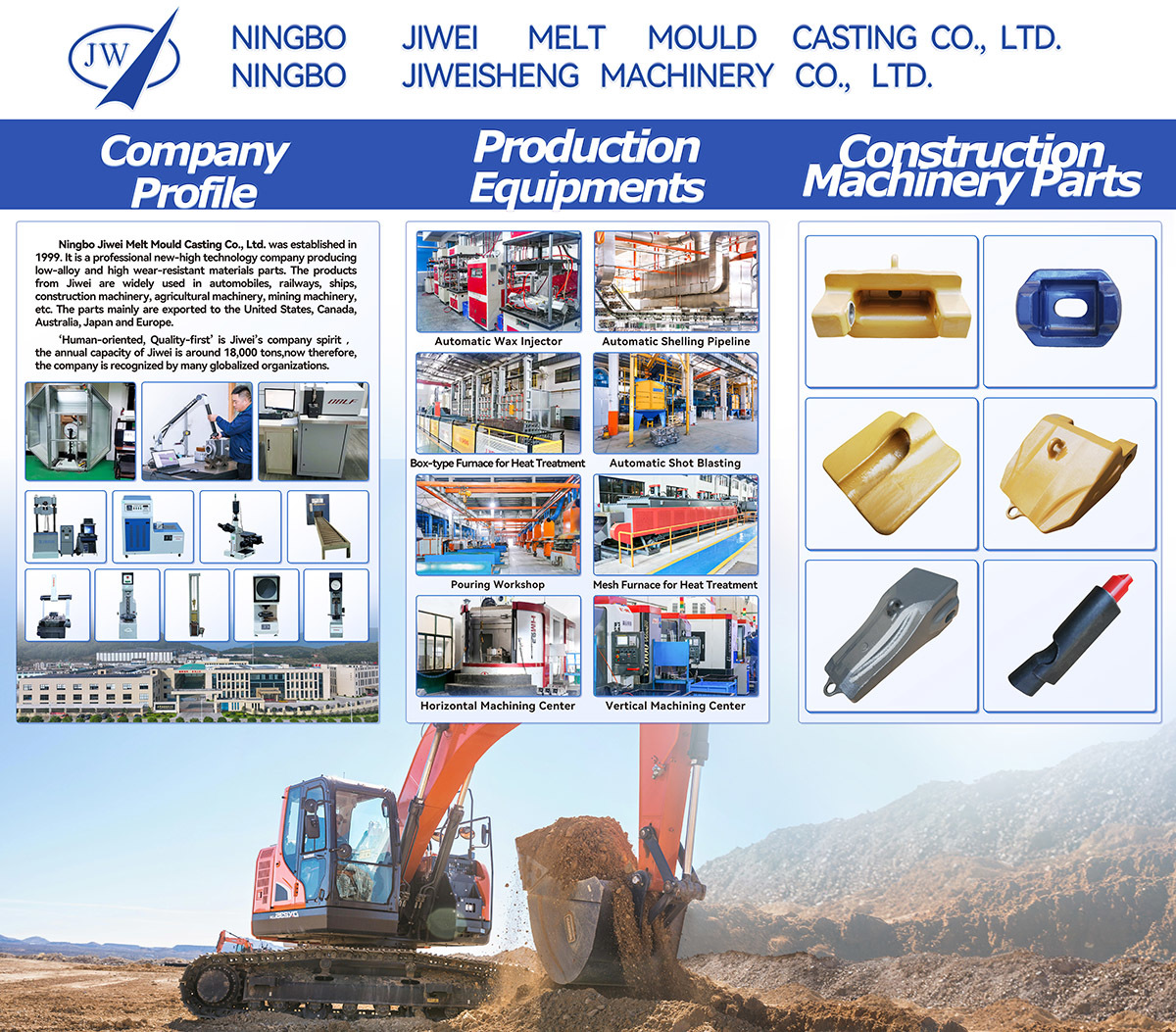
2025 Mexico Exhibition
Apr 30,2025
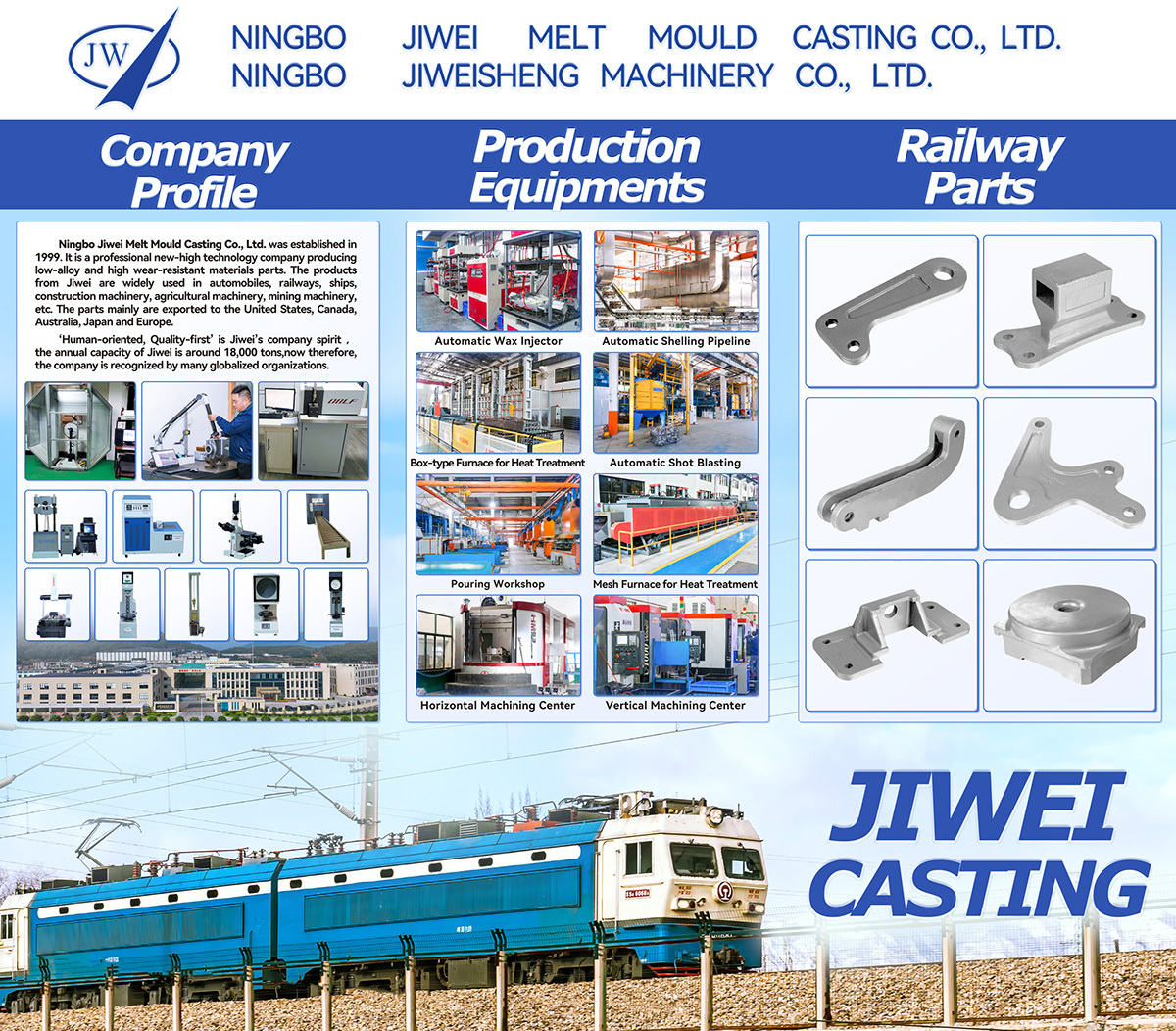
2025 American Rail Show