
06 Feb,2026
Understanding China’s Heat Resistant Steel Casting in Engineering Machinery
Heat resistant steel casting is a crucial technology within the manufacturing and processing machinery sector, particularly in the context of engineering and construction machinery components. As industries evolve and machinery demands intensify, the need for materials that can withstand extreme temperatures and stress has led to the development of specialized steel alloys. In China, advancements


Heat resistant steel casting is a crucial technology within the manufacturing and processing machinery sector, particularly in the context of engineering and construction machinery components. As industries evolve and machinery demands intensify, the need for materials that can withstand extreme temperatures and stress has led to the development of specialized steel alloys. In China, advancements in heat resistant steel casting have positioned the country as a significant player in this field.
One of the primary advantages of heat resistant steel casting is its ability to maintain mechanical strength and integrity at elevated temperatures. This property is essential when dealing with applications that involve high thermal loads, such as engine components, turbines, and other machinery subjected to intense operational conditions. The casting process allows for the creation of complex geometries that are often required in engineering applications, making it versatile and efficient.
China's manufacturing capabilities have enabled the production of high-quality heat resistant steel castings that meet international standards. The country possesses a wealth of natural resources, a robust industrial base, and an increasingly skilled workforce. These factors contribute to the development of advanced casting techniques and technologies that enhance the quality and reliability of heat resistant components.
In addition to thermal stability, heat resistant steel castings exhibit excellent corrosion resistance. This characteristic is particularly beneficial in environments where machinery is exposed to aggressive substances or varying weather conditions. The combination of heat resistance and corrosion protection extends the lifespan of components, reducing the frequency of replacements and maintenance—an essential aspect for manufacturers and end-users alike.
Furthermore, heat resistant steel casting plays a pivotal role in energy efficiency. Many engineering applications demand materials that not only endure heat but also contribute to the overall efficiency of machinery. By utilizing advanced heat resistant alloys, manufacturers can optimize fuel consumption and reduce emissions, aligning with global sustainability goals.
As the demand for high-performance machinery increases across various sectors, understanding the benefits and applications of heat resistant steel casting becomes increasingly important. It empowers professionals in the engineering and construction machinery industry to make informed decisions when sourcing components that will enhance the performance and longevity of their equipment.
In summary, heat resistant steel casting represents a significant advancement in the manufacturing of engineering machinery components, particularly in China. With its ability to withstand high temperatures, resist corrosion, and contribute to energy efficiency, this technology is indispensable for professionals seeking reliable and durable solutions in their operations. Embracing these innovations not only supports enhanced machinery performance but also aligns with the broader objectives of sustainability and efficiency in the engineering sector.
One of the primary advantages of heat resistant steel casting is its ability to maintain mechanical strength and integrity at elevated temperatures. This property is essential when dealing with applications that involve high thermal loads, such as engine components, turbines, and other machinery subjected to intense operational conditions. The casting process allows for the creation of complex geometries that are often required in engineering applications, making it versatile and efficient.
China's manufacturing capabilities have enabled the production of high-quality heat resistant steel castings that meet international standards. The country possesses a wealth of natural resources, a robust industrial base, and an increasingly skilled workforce. These factors contribute to the development of advanced casting techniques and technologies that enhance the quality and reliability of heat resistant components.
In addition to thermal stability, heat resistant steel castings exhibit excellent corrosion resistance. This characteristic is particularly beneficial in environments where machinery is exposed to aggressive substances or varying weather conditions. The combination of heat resistance and corrosion protection extends the lifespan of components, reducing the frequency of replacements and maintenance—an essential aspect for manufacturers and end-users alike.
Furthermore, heat resistant steel casting plays a pivotal role in energy efficiency. Many engineering applications demand materials that not only endure heat but also contribute to the overall efficiency of machinery. By utilizing advanced heat resistant alloys, manufacturers can optimize fuel consumption and reduce emissions, aligning with global sustainability goals.
As the demand for high-performance machinery increases across various sectors, understanding the benefits and applications of heat resistant steel casting becomes increasingly important. It empowers professionals in the engineering and construction machinery industry to make informed decisions when sourcing components that will enhance the performance and longevity of their equipment.
In summary, heat resistant steel casting represents a significant advancement in the manufacturing of engineering machinery components, particularly in China. With its ability to withstand high temperatures, resist corrosion, and contribute to energy efficiency, this technology is indispensable for professionals seeking reliable and durable solutions in their operations. Embracing these innovations not only supports enhanced machinery performance but also aligns with the broader objectives of sustainability and efficiency in the engineering sector.
Apr 30,2025
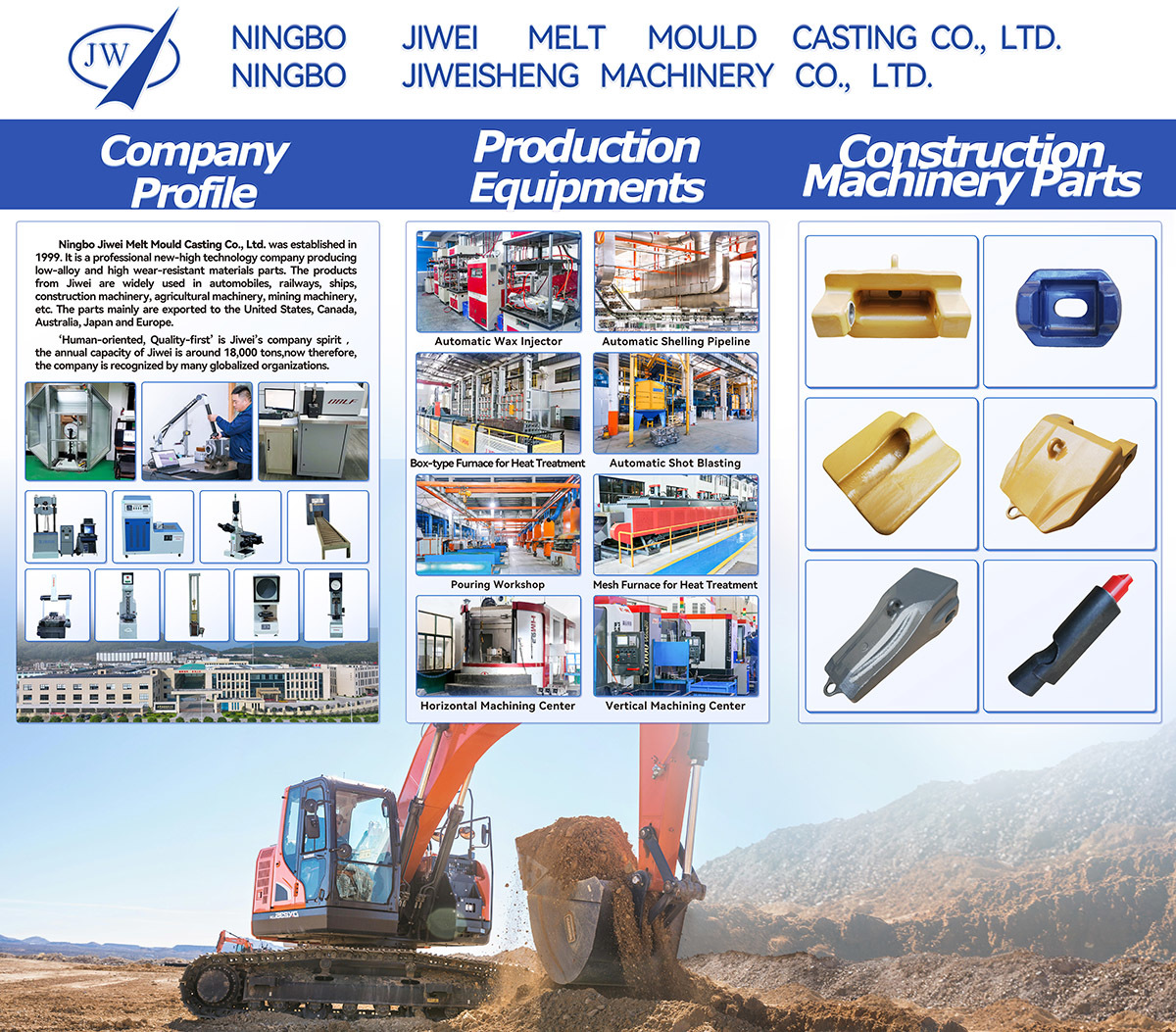
2025 Mexico Exhibition
Apr 30,2025
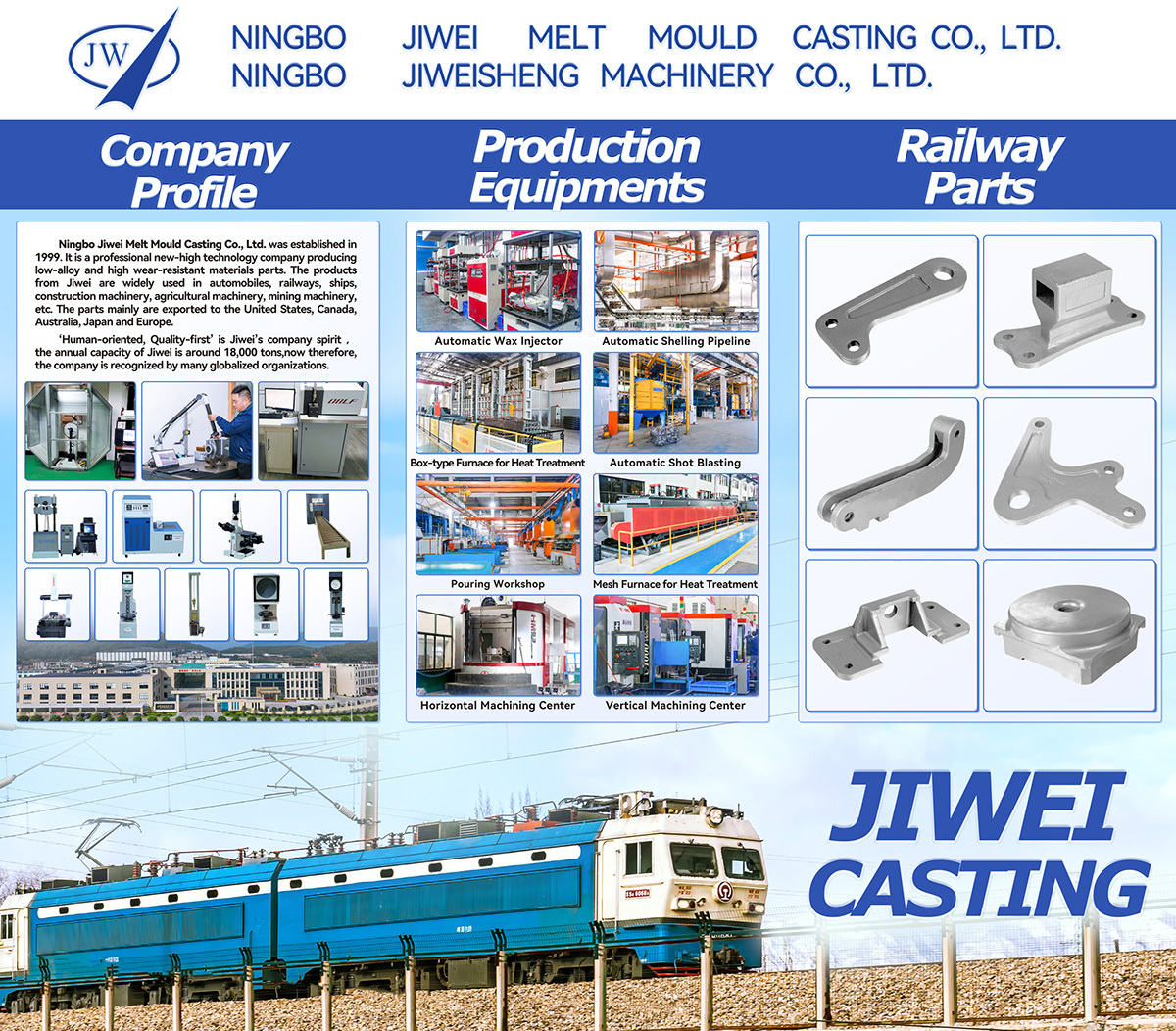
2025 American Rail Show