
20 Feb,2026
Understanding the Importance of Quality Railway Steel Casting in Engineering Machinery
In the manufacturing sector, particularly in engineering and construction machinery, the use of high-quality railway steel casting is pivotal. Railway steel casting involves the production of steel components that are used in various applications, including railway tracks, train wheels, and other critical machine parts. The quality of these castings directly influences the performance, safety, and


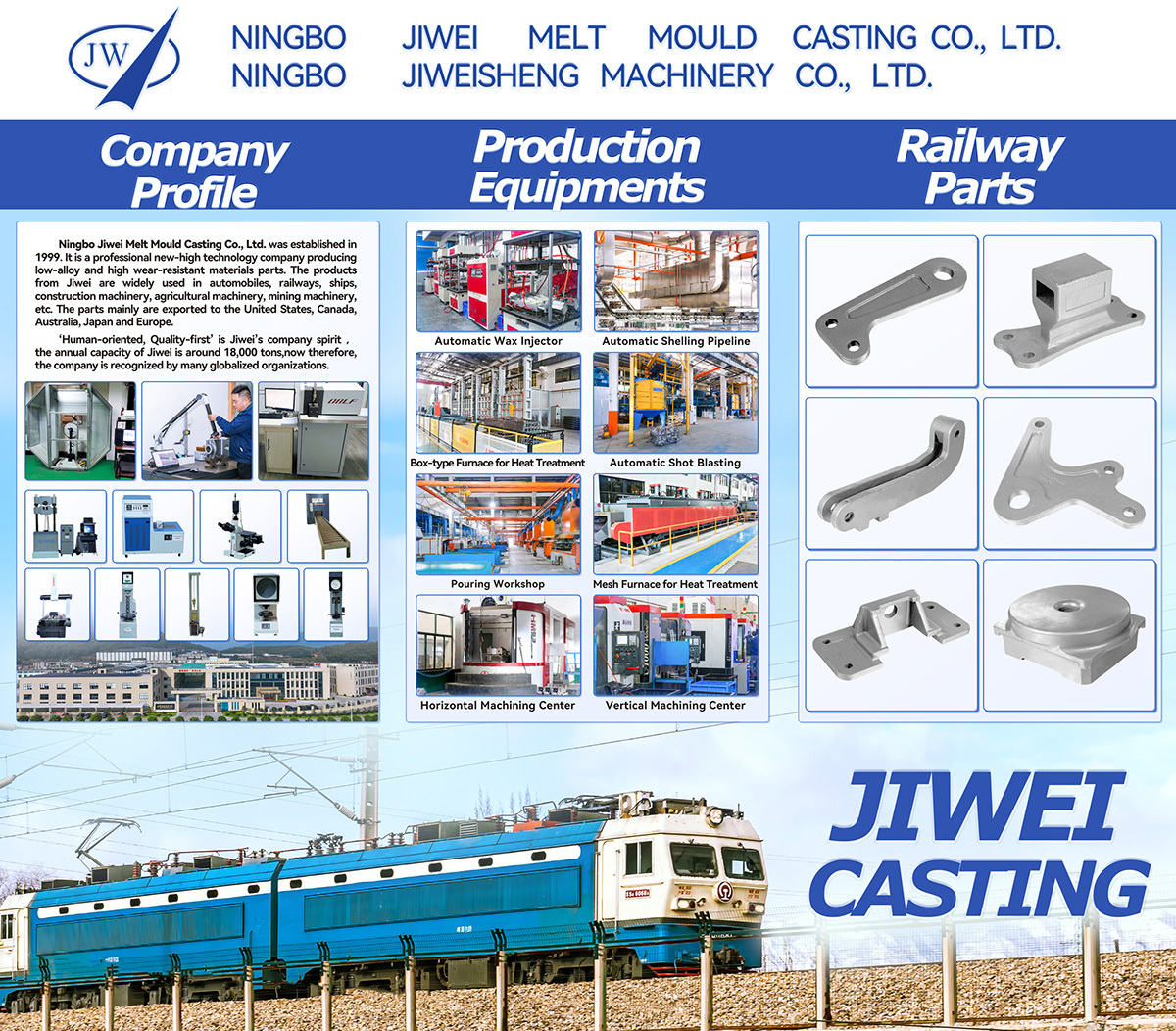
In the manufacturing sector, particularly in engineering and construction machinery, the use of high-quality railway steel casting is pivotal. Railway steel casting involves the production of steel components that are used in various applications, including railway tracks, train wheels, and other critical machine parts. The quality of these castings directly influences the performance, safety, and longevity of the machinery they are incorporated into.
One of the primary factors that define the quality of railway steel casting is the choice of raw materials. High-grade steel with the right chemical composition is essential for achieving the desired mechanical properties. This includes strength, ductility, and resistance to wear and fatigue. Manufacturers must ensure that they source materials from reputable suppliers and conduct thorough quality checks to maintain the integrity of their products.
The casting process itself is another critical aspect that affects the quality of the final product. Techniques such as sand casting, investment casting, and shell molding are commonly used in the production of railway steel castings. Each method has its own advantages and is chosen based on the specific requirements of the component being produced. For instance, sand casting is often favored for its versatility and cost-effectiveness, while investment casting is preferred for its ability to produce intricate shapes with high precision.
Quality control is a fundamental part of the manufacturing process. Implementing robust quality assurance measures, including non-destructive testing methods, can help detect any potential flaws in the castings before they are incorporated into larger machinery. These tests evaluate the integrity of the steel and ensure that the components meet industry standards. For example, techniques like ultrasonic testing and radiography can identify internal defects that might compromise the safety and performance of the final product.
Furthermore, the implementation of modern technologies, such as computer-aided design (CAD) and computer-aided manufacturing (CAM), enhances the precision and efficiency of railway steel casting. These technologies facilitate better design accuracy, reduce production time, and minimize waste, all of which contribute to improved quality.
In conclusion, the significance of quality railway steel casting in the manufacturing of engineering and construction machinery cannot be underestimated. By focusing on high-grade materials, adopting appropriate casting methods, and maintaining stringent quality control processes, manufacturers can ensure that their products meet the rigorous demands of the industry. As the engineering sector continues to evolve, prioritizing quality in railway steel casting will remain a crucial factor for success.
One of the primary factors that define the quality of railway steel casting is the choice of raw materials. High-grade steel with the right chemical composition is essential for achieving the desired mechanical properties. This includes strength, ductility, and resistance to wear and fatigue. Manufacturers must ensure that they source materials from reputable suppliers and conduct thorough quality checks to maintain the integrity of their products.
The casting process itself is another critical aspect that affects the quality of the final product. Techniques such as sand casting, investment casting, and shell molding are commonly used in the production of railway steel castings. Each method has its own advantages and is chosen based on the specific requirements of the component being produced. For instance, sand casting is often favored for its versatility and cost-effectiveness, while investment casting is preferred for its ability to produce intricate shapes with high precision.
Quality control is a fundamental part of the manufacturing process. Implementing robust quality assurance measures, including non-destructive testing methods, can help detect any potential flaws in the castings before they are incorporated into larger machinery. These tests evaluate the integrity of the steel and ensure that the components meet industry standards. For example, techniques like ultrasonic testing and radiography can identify internal defects that might compromise the safety and performance of the final product.
Furthermore, the implementation of modern technologies, such as computer-aided design (CAD) and computer-aided manufacturing (CAM), enhances the precision and efficiency of railway steel casting. These technologies facilitate better design accuracy, reduce production time, and minimize waste, all of which contribute to improved quality.
In conclusion, the significance of quality railway steel casting in the manufacturing of engineering and construction machinery cannot be underestimated. By focusing on high-grade materials, adopting appropriate casting methods, and maintaining stringent quality control processes, manufacturers can ensure that their products meet the rigorous demands of the industry. As the engineering sector continues to evolve, prioritizing quality in railway steel casting will remain a crucial factor for success.
Apr 30,2025
2025 Mexico Exhibition
Apr 30,2025
2025 American Rail Show