
27 Mar,2026
How Pillow Block Pipe Supports Enhance Stability in Engineering Applications
How Pillow Block Pipe Supports Enhance Stability in Engineering Applications Introduction to Pillow Block Pipe Supports In the realm of engineering and construction, stability is a critical component that influences the efficiency and safety of various applications. One often-underestimated component that plays a significant role in this stability is the **pillow block pipe support**. These suppor


How Pillow Block Pipe Supports Enhance Stability in Engineering Applications
Introduction to Pillow Block Pipe Supports
In the realm of engineering and construction, stability is a critical component that influences the efficiency and safety of various applications. One often-underestimated component that plays a significant role in this stability is the **pillow block pipe support**. These supports not only provide a foundation for piping systems but also contribute to the overall integrity of engineering structures. Understanding how these components work and their benefits is essential for professionals in the field.
The Functionality of Pillow Block Pipe Supports
Pillow block pipe supports serve to anchor piping systems, reducing movement and ensuring alignment under varying conditions. Their design allows them to accommodate thermal expansion, vibration, and external forces, which are common in engineering applications.
Key Features of Pillow Block Pipe Supports
- **Robust Construction**: Made from durable materials such as steel or cast iron, these supports can withstand heavy loads and harsh environments.
- **Versatile Design**: Available in various sizes and configurations, pillow block supports can be tailored to meet specific project needs.
- **Ease of Installation**: Their design simplifies the installation process, allowing for quicker setup in construction projects.
The Importance of Stability in Engineering Applications
Stability in engineering is paramount for safety and efficiency. Inappropriate support structures can lead to catastrophic failures, increased maintenance costs, and safety hazards. **Pillow block pipe supports** mitigate these risks by providing the necessary support and alignment for pipeline systems.
Common Applications of Pillow Block Pipe Supports
1. **Industrial Plants**: In chemical processing and manufacturing facilities, these supports secure piping systems, allowing for smooth operations.
2. **Power Generation**: Power plants utilize pillow block supports to maintain the integrity of their extensive piping networks, ensuring efficient energy production.
3. **Construction Sites**: Temporary and permanent installations at construction sites benefit from the stability provided by these supports.
Benefits of Using Pillow Block Pipe Supports
Utilizing pillow block pipe supports in engineering applications offers numerous advantages that enhance overall project efficiency and safety.
1. Improved Load Distribution
Pillow block supports distribute loads evenly across the piping system, reducing stress on individual components. This helps prevent premature wear and extends the lifespan of the piping infrastructure.
2. Enhanced Vibration Control
In industrial environments, vibrations from machinery can adversely affect piping systems. Pillow block supports are designed to absorb and dampen vibrations, protecting the integrity of the entire system.
3. Facilitation of Thermal Expansion
Piping systems expand and contract with temperature fluctuations. Pillow block supports allow for movement while maintaining alignment, which is crucial for preventing leaks and structural failures.
4. Cost-Effectiveness
By reducing the likelihood of pipe failure and the need for frequent repairs, pillow block pipe supports provide a cost-effective solution for engineering projects. Their durability ensures long-term savings.
5. Versatility Across Industries
These supports can be utilized in various industries, including oil and gas, water treatment, and manufacturing, showcasing their adaptability to different engineering environments.
Choosing the Right Pillow Block Pipe Support
Selecting the appropriate pillow block pipe support is crucial for achieving the desired stability and performance in engineering applications. Consider the following factors:
1. Load Requirements
Evaluate the weight and operational loads that the piping system will experience. Choose supports that can handle these loads with a safety margin.
2. Environmental Conditions
Consider the environmental factors such as temperature, humidity, and exposure to chemicals. This will dictate the materials and coatings used for the supports.
3. Size and Configuration
Select the right size and configuration to ensure proper fit and function. Collaborate with manufacturers to find the best solutions for your specific needs.
4. Installation Requirements
Review the installation requirements and ensure that the chosen supports can be easily integrated into the existing infrastructure.
Installation Guidelines for Pillow Block Pipe Supports
Proper installation is essential for maximizing the benefits of pillow block pipe supports. Follow these guidelines for optimal results:
1. Preparation
Ensure the installation site is clean and free from debris. Assess the alignment of the piping system before installation.
2. Secure Mounting
Use appropriate fasteners and mounting methods to ensure the supports are securely attached to the structural elements.
3. Alignment Check
After installation, check the alignment of the piping system. Make necessary adjustments to ensure optimal support and stability.
4. Regular Maintenance
Implement a maintenance schedule to inspect the pillow block supports and the piping system regularly. Address any signs of wear or damage promptly.
Case Studies: Real-World Applications of Pillow Block Pipe Supports
Examining real-world applications can provide valuable insights into the effectiveness of pillow block pipe supports.
1. Chemical Processing Plant
In a large chemical processing facility, pillow block supports were installed to stabilize an extensive network of pipes transporting hazardous materials. The supports successfully minimized vibrations and thermal expansion issues, resulting in a significant reduction in maintenance costs.
2. Power Generation Facility
A power plant implemented pillow block pipe supports in its turbine cooling systems. The supports enhanced load distribution and vibration control, contributing to improved energy efficiency and reduced downtime.
Frequently Asked Questions (FAQs)
1. What are pillow block pipe supports?
Pillow block pipe supports are structural components designed to anchor and support piping systems, ensuring stability and alignment.
2. How do pillow block supports differ from other types of pipe supports?
Pillow block supports provide unique features, such as enhanced load distribution and vibration dampening, which may not be present in other support types.
3. Can pillow block pipe supports be used in outdoor applications?
Yes, but it is crucial to select supports made from corrosion-resistant materials to withstand environmental factors.
4. How do I determine the right size of pillow block pipe support for my project?
Assess the load requirements and consult with manufacturers to ensure you select a support that can accommodate the specific needs of your piping system.
5. What maintenance is required for pillow block pipe supports?
Regular inspections and maintenance checks should be conducted to identify any signs of wear or damage, ensuring long-term performance.
Conclusion
Pillow block pipe supports play a vital role in enhancing the stability and efficiency of engineering applications. By providing robust support, reducing vibrations, and accommodating thermal expansion, these components are invaluable in various industries. Understanding their functionality and benefits enables professionals to make informed decisions that promote safety and efficiency in engineering projects. As the demand for reliable infrastructure continues to grow, investing in high-quality pillow block pipe supports is essential for ensuring the longevity and performance of piping systems.
Apr 30,2025
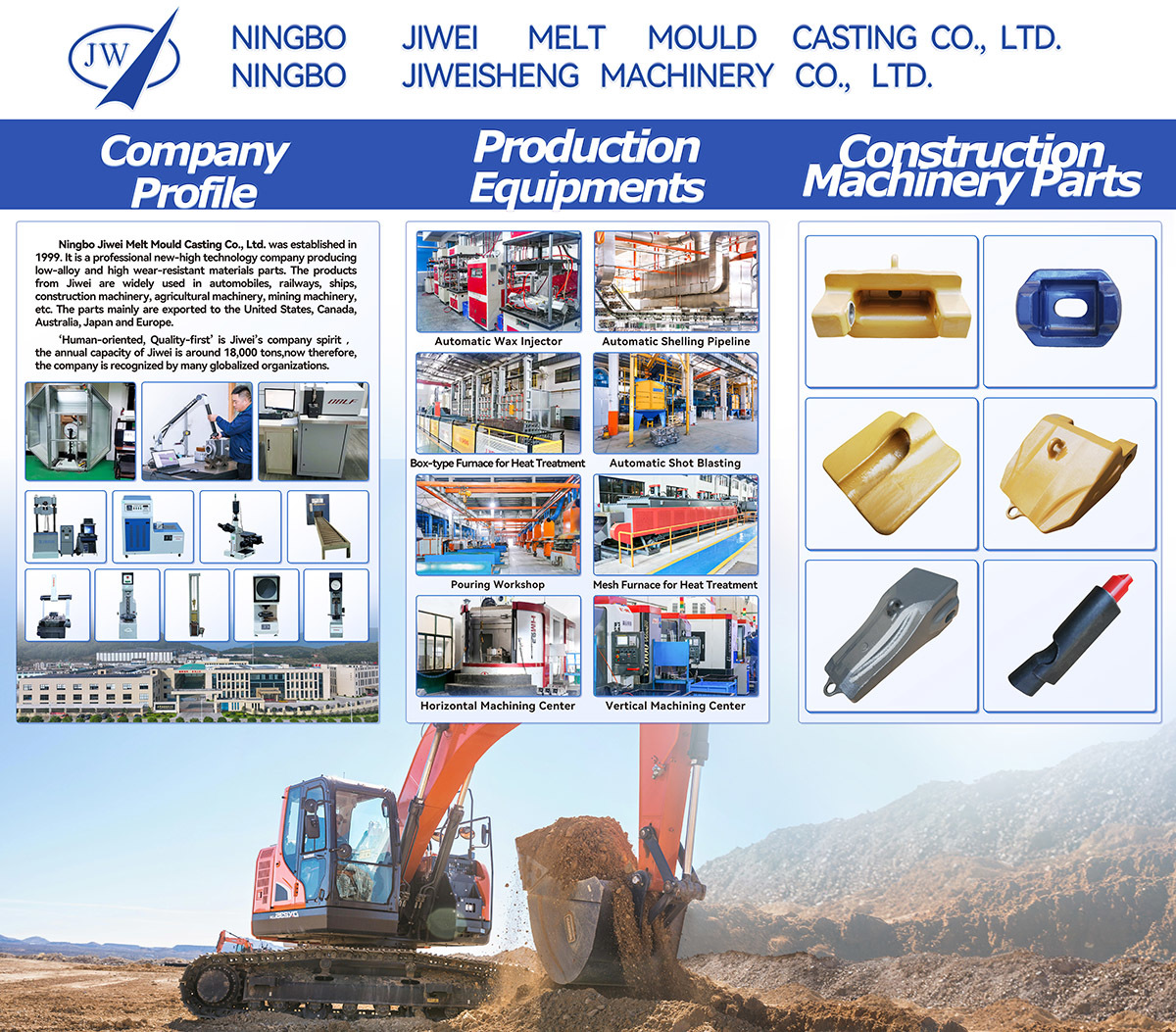
2025 Mexico Exhibition
Apr 30,2025
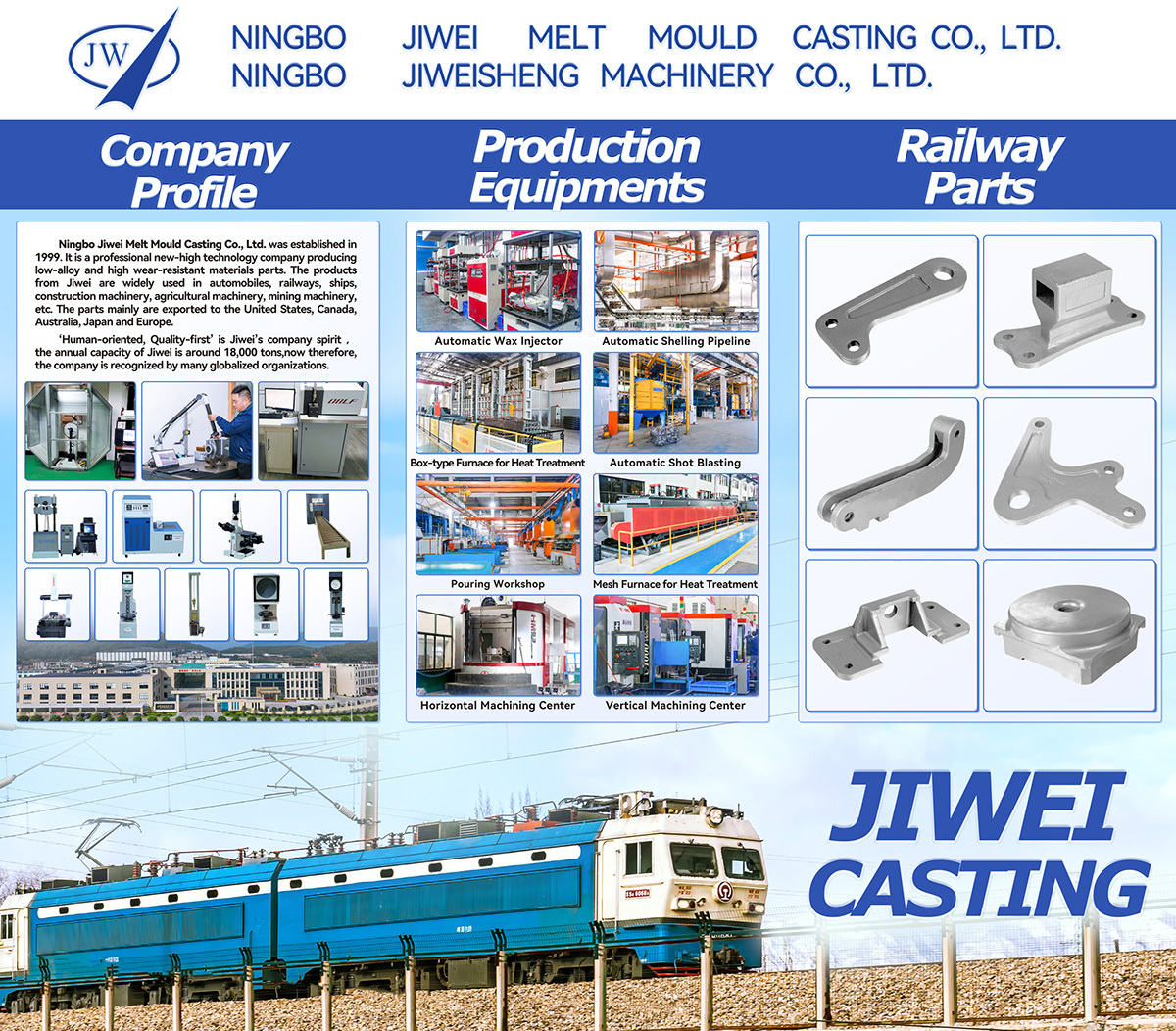
2025 American Rail Show