
18 May,2026
Exploring the Latest Innovations in Centrifugal Casting for Stainless Steel
Centrifugal casting is a sophisticated method used in the metallurgy industry, particularly for producing high-quality stainless steel components. The newest techniques in centrifugal casting of stainless steel offer a range of advantages that can significantly impact both production efficiency and the material properties of the final products. One of the key advancements in the centrifugal castin


Centrifugal casting is a sophisticated method used in the metallurgy industry, particularly for producing high-quality stainless steel components. The newest techniques in centrifugal casting of stainless steel offer a range of advantages that can significantly impact both production efficiency and the material properties of the final products.
One of the key advancements in the centrifugal casting process is the optimization of mold design. The latest designs focus on enhanced heat transfer and reduced cooling times, which contribute to improved microstructural characteristics of the stainless steel. This results in materials that exhibit superior mechanical properties, such as increased strength, ductility, and resistance to corrosion. As a result, products produced through these innovative methods can be utilized in demanding applications across various industries, including energy, transportation, and manufacturing.
Another significant aspect of the newest centrifugal casting techniques is the incorporation of automated systems. Automation in the casting process not only increases production rates but also ensures consistency in the quality of the stainless steel produced. By minimizing human error and providing precise control over the casting environment, manufacturers can achieve higher standards of quality assurance and reduce the likelihood of defects in the finished products.
Moreover, the latest centrifugal casting technologies allow for the use of advanced alloys and composite materials. This flexibility enables manufacturers to create custom stainless steel solutions that meet specific requirements, such as enhanced wear resistance or improved thermal stability. The ability to tailor the material properties opens up new opportunities for innovation within various sectors that require reliable and high-performance stainless steel components.
In addition to the technical improvements, the environmental impact of centrifugal casting processes has also been addressed. Newer methods focus on minimizing waste and energy consumption, aligning with the growing emphasis on sustainability in manufacturing. By adopting these eco-friendly practices, companies can contribute to more sustainable production while maintaining high standards of quality in their stainless steel products.
In summary, the newest advancements in centrifugal casting of stainless steel are not only enhancing the properties and applications of the material but also fostering more efficient and sustainable production practices. As industries continue to evolve, these innovations will play a crucial role in meeting the increasing demands for high-quality, reliable stainless steel components. Embracing these techniques can position your business at the forefront of the metallurgy and energy sectors, driving growth and success in an increasingly competitive landscape.
One of the key advancements in the centrifugal casting process is the optimization of mold design. The latest designs focus on enhanced heat transfer and reduced cooling times, which contribute to improved microstructural characteristics of the stainless steel. This results in materials that exhibit superior mechanical properties, such as increased strength, ductility, and resistance to corrosion. As a result, products produced through these innovative methods can be utilized in demanding applications across various industries, including energy, transportation, and manufacturing.
Another significant aspect of the newest centrifugal casting techniques is the incorporation of automated systems. Automation in the casting process not only increases production rates but also ensures consistency in the quality of the stainless steel produced. By minimizing human error and providing precise control over the casting environment, manufacturers can achieve higher standards of quality assurance and reduce the likelihood of defects in the finished products.
Moreover, the latest centrifugal casting technologies allow for the use of advanced alloys and composite materials. This flexibility enables manufacturers to create custom stainless steel solutions that meet specific requirements, such as enhanced wear resistance or improved thermal stability. The ability to tailor the material properties opens up new opportunities for innovation within various sectors that require reliable and high-performance stainless steel components.
In addition to the technical improvements, the environmental impact of centrifugal casting processes has also been addressed. Newer methods focus on minimizing waste and energy consumption, aligning with the growing emphasis on sustainability in manufacturing. By adopting these eco-friendly practices, companies can contribute to more sustainable production while maintaining high standards of quality in their stainless steel products.
In summary, the newest advancements in centrifugal casting of stainless steel are not only enhancing the properties and applications of the material but also fostering more efficient and sustainable production practices. As industries continue to evolve, these innovations will play a crucial role in meeting the increasing demands for high-quality, reliable stainless steel components. Embracing these techniques can position your business at the forefront of the metallurgy and energy sectors, driving growth and success in an increasingly competitive landscape.
Apr 30,2025
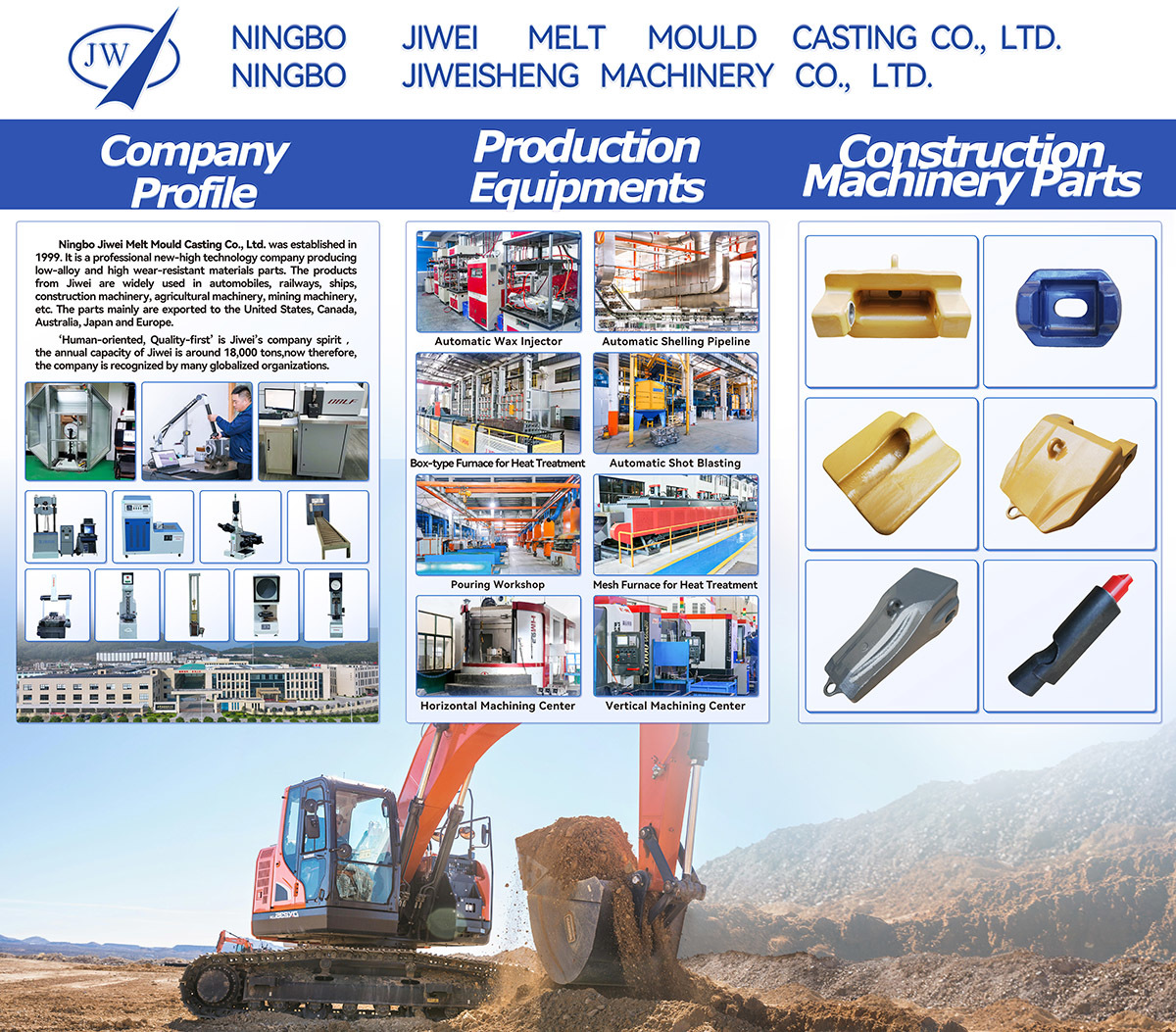
2025 Mexico Exhibition
Apr 30,2025
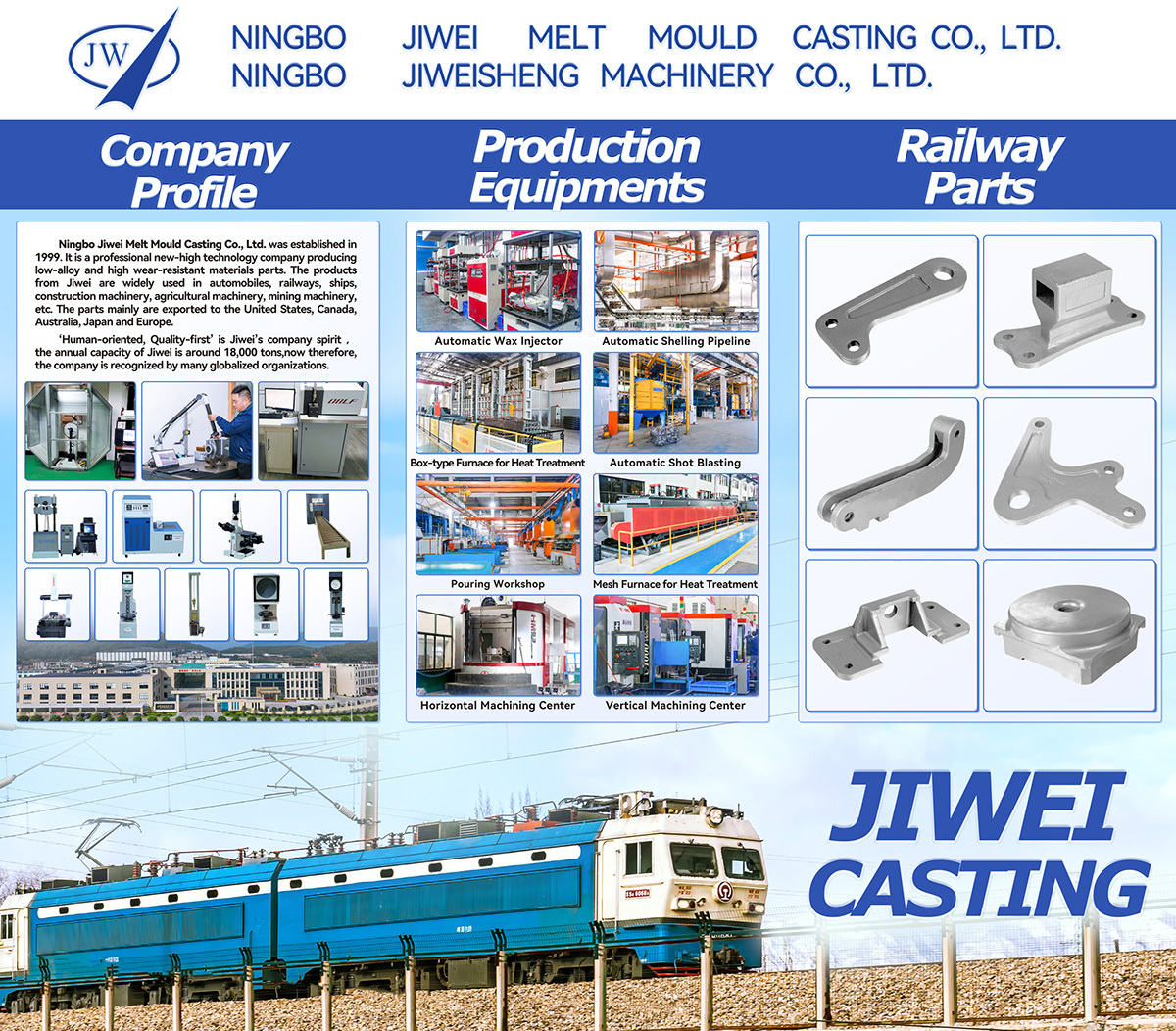
2025 American Rail Show