
17 Jun,2026
Unlocking Excellence: The Vital Role of Quality Railway Steel Casting in Engineering Machinery
Railway steel casting is a cornerstone in the manufacturing of engineering machinery and its components. The quality of the cast steel not only affects the performance and durability of the machinery but also plays a crucial role in ensuring safety and efficiency during operations. Here are some essential factors to consider when focusing on quality railway steel casting for manufacturing engineer


Railway steel casting is a cornerstone in the manufacturing of engineering machinery and its components. The quality of the cast steel not only affects the performance and durability of the machinery but also plays a crucial role in ensuring safety and efficiency during operations. Here are some essential factors to consider when focusing on quality railway steel casting for manufacturing engineering machinery components.
### Understanding Quality Railway Steel Casting
Quality railway steel casting refers to the process of shaping molten steel into specific components used in railway applications, ensuring that the material meets stringent industry standards. To achieve high-quality results, manufacturers must pay attention to various factors, including material composition, casting techniques, and post-casting treatments.
### Key Benefits of Quality Railway Steel Casting
1. **Durability and Strength**: High-quality casting materials possess superior tensile strength and resistance to wear, making them ideal for heavy-duty applications in engineering machinery. This durability translates to longer service life and reduced maintenance costs.
2. **Safety Compliance**: In the engineering and construction sectors, safety is paramount. Quality railway steel casting ensures that components can withstand extreme conditions and loads, thereby minimizing the risk of failures that could jeopardize safety.
3. **Precision Manufacturing**: Advanced casting techniques like sand casting, investment casting, and die casting allow for precise specifications in component creation. This precision is crucial in engineering machinery, where tolerances can significantly affect overall performance.
### Considerations for Improving Quality
To enhance the quality of railway steel casting, manufacturers should consider the following practices:
- **Material Selection**: Utilizing high-grade steel alloys can significantly improve the mechanical properties of the castings. Ensuring that the raw materials meet international standards is essential for quality assurance.
- **Innovative Casting Techniques**: Adopting modern casting technologies can lead to better material flow and fewer defects. Techniques such as Computer Numerical Control (CNC) machining after casting can also enhance dimensional accuracy.
- **Quality Control Measures**: Implementing rigorous quality control measures throughout the casting process ensures that each component meets required specifications. Regular inspections and tests can help identify potential issues early.
- **Collaboration with Experts**: Engaging with metallurgists and casting specialists can provide valuable insights into optimizing the casting processes and improving material properties.
In conclusion, prioritizing quality railway steel casting in manufacturing engineering machinery components is essential for achieving performance, safety, and longevity. By focusing on material selection, innovative casting techniques, quality control, and expert collaboration, manufacturers can unlock the full potential of their engineering solutions, ensuring they meet the demands of a fast-evolving industry.
### Understanding Quality Railway Steel Casting
Quality railway steel casting refers to the process of shaping molten steel into specific components used in railway applications, ensuring that the material meets stringent industry standards. To achieve high-quality results, manufacturers must pay attention to various factors, including material composition, casting techniques, and post-casting treatments.
### Key Benefits of Quality Railway Steel Casting
1. **Durability and Strength**: High-quality casting materials possess superior tensile strength and resistance to wear, making them ideal for heavy-duty applications in engineering machinery. This durability translates to longer service life and reduced maintenance costs.
2. **Safety Compliance**: In the engineering and construction sectors, safety is paramount. Quality railway steel casting ensures that components can withstand extreme conditions and loads, thereby minimizing the risk of failures that could jeopardize safety.
3. **Precision Manufacturing**: Advanced casting techniques like sand casting, investment casting, and die casting allow for precise specifications in component creation. This precision is crucial in engineering machinery, where tolerances can significantly affect overall performance.
### Considerations for Improving Quality
To enhance the quality of railway steel casting, manufacturers should consider the following practices:
- **Material Selection**: Utilizing high-grade steel alloys can significantly improve the mechanical properties of the castings. Ensuring that the raw materials meet international standards is essential for quality assurance.
- **Innovative Casting Techniques**: Adopting modern casting technologies can lead to better material flow and fewer defects. Techniques such as Computer Numerical Control (CNC) machining after casting can also enhance dimensional accuracy.
- **Quality Control Measures**: Implementing rigorous quality control measures throughout the casting process ensures that each component meets required specifications. Regular inspections and tests can help identify potential issues early.
- **Collaboration with Experts**: Engaging with metallurgists and casting specialists can provide valuable insights into optimizing the casting processes and improving material properties.
In conclusion, prioritizing quality railway steel casting in manufacturing engineering machinery components is essential for achieving performance, safety, and longevity. By focusing on material selection, innovative casting techniques, quality control, and expert collaboration, manufacturers can unlock the full potential of their engineering solutions, ensuring they meet the demands of a fast-evolving industry.
Apr 30,2025
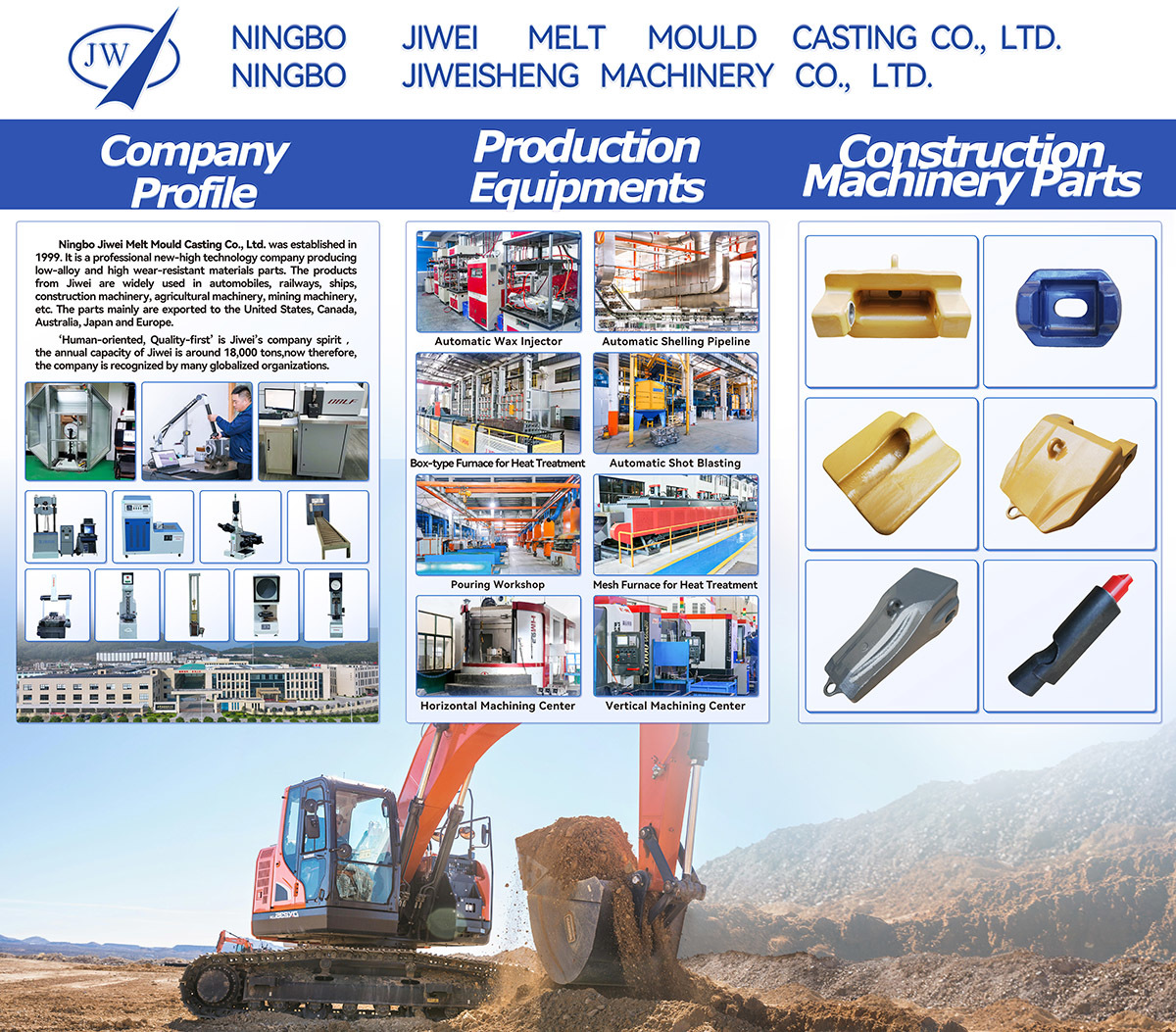
2025 Mexico Exhibition
Apr 30,2025
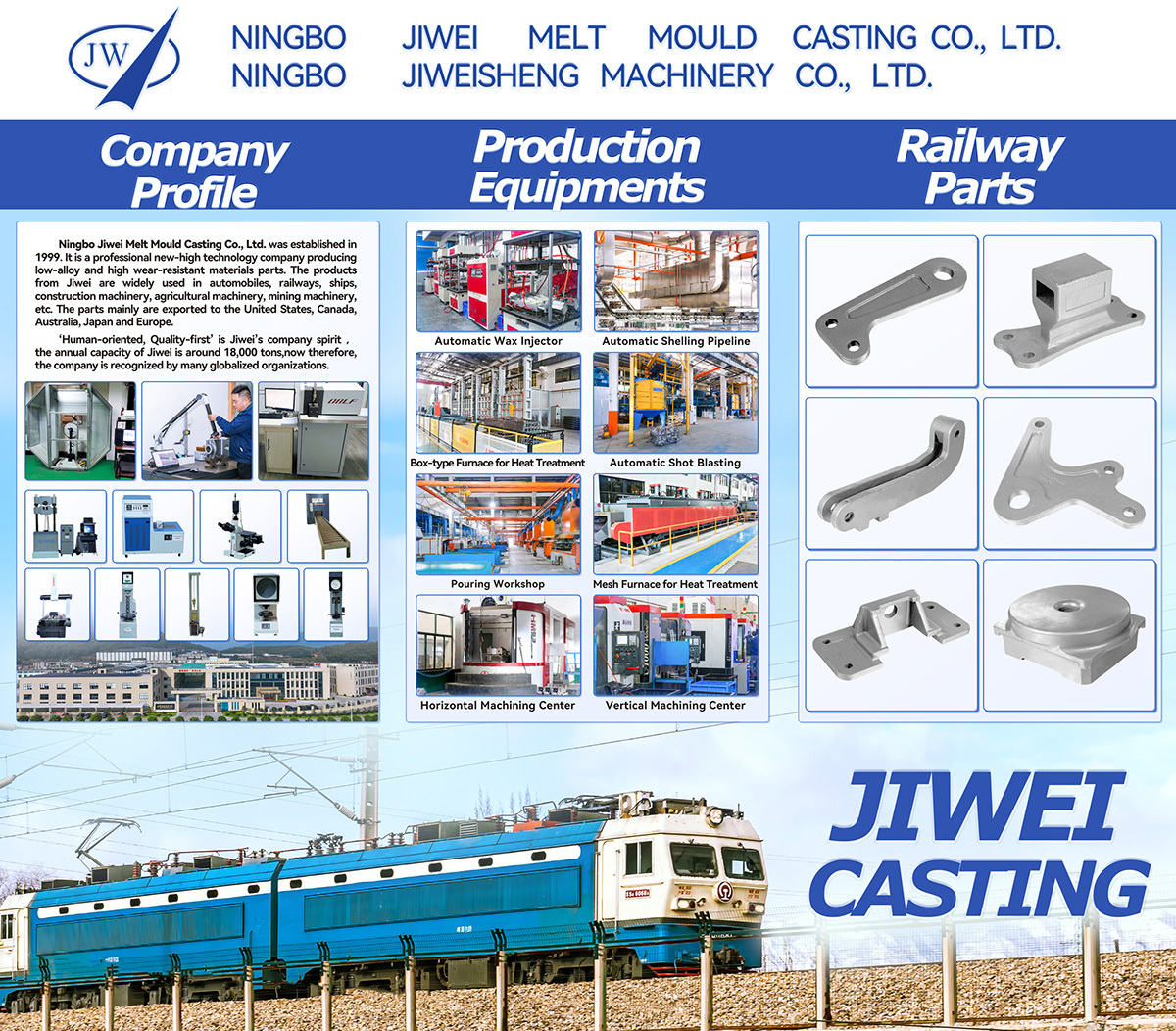
2025 American Rail Show