
12 Aug,2026
Essential Insights into Quality Railway Steel Casting for Engineering Machinery Components
Railway steel casting is a critical component in the manufacturing of engineering machinery parts. Its unique properties make it suitable for high-stress applications, such as those found in construction and heavy machinery. To achieve the desired durability and performance, several factors must be considered in the production and selection of quality railway steel casting. Firstly, the selection


Railway steel casting is a critical component in the manufacturing of engineering machinery parts. Its unique properties make it suitable for high-stress applications, such as those found in construction and heavy machinery. To achieve the desired durability and performance, several factors must be considered in the production and selection of quality railway steel casting.
Firstly, the selection of raw materials is paramount. High-quality steel, characterized by its chemical composition and mechanical properties, is essential for casting processes. Manufacturers typically prefer steel alloys that exhibit excellent tensile strength, impact resistance, and ductility, which are crucial for enduring the rigorous demands of construction machinery.
The casting process itself is another vital factor that influences the overall quality of railway steel casting. Various techniques, including sand casting, investment casting, and die casting, are employed depending on the complexity and specifications of the parts. Each method has its advantages and challenges, making it imperative for manufacturers to choose the appropriate process that aligns with the intended application of the machinery components.
Following the casting process, quality assurance measures must be implemented to ensure that the finished products meet industry standards. This includes rigorous testing protocols, such as non-destructive testing (NDT) methods, which help identify any internal defects that may compromise the integrity of the casting. Common NDT techniques include ultrasonic testing, radiographic testing, and magnetic particle testing, which are essential for verifying the quality of railway steel castings before they are integrated into machinery.
Furthermore, adherence to established industry standards, such as ASTM and ISO certifications, can significantly impact the quality assurance process. These standards provide guidelines that help manufacturers maintain consistency and reliability in their products, ensuring that the railway steel casting not only meets but exceeds performance expectations.
Lastly, collaboration with experienced suppliers and manufacturers is key to achieving superior quality in railway steel casting. Engaging with partners who have a proven track record in the industry can provide valuable insights into best practices and innovations that can enhance product quality.
In conclusion, the quality of railway steel casting is a cornerstone of successful engineering machinery manufacturing. By focusing on material selection, production techniques, quality assurance practices, and strategic partnerships, manufacturers can ensure that their components are not only durable but also capable of performing optimally in demanding environments. Understanding these elements will empower clients to make informed decisions that enhance the reliability and performance of their engineering machinery.
Firstly, the selection of raw materials is paramount. High-quality steel, characterized by its chemical composition and mechanical properties, is essential for casting processes. Manufacturers typically prefer steel alloys that exhibit excellent tensile strength, impact resistance, and ductility, which are crucial for enduring the rigorous demands of construction machinery.
The casting process itself is another vital factor that influences the overall quality of railway steel casting. Various techniques, including sand casting, investment casting, and die casting, are employed depending on the complexity and specifications of the parts. Each method has its advantages and challenges, making it imperative for manufacturers to choose the appropriate process that aligns with the intended application of the machinery components.
Following the casting process, quality assurance measures must be implemented to ensure that the finished products meet industry standards. This includes rigorous testing protocols, such as non-destructive testing (NDT) methods, which help identify any internal defects that may compromise the integrity of the casting. Common NDT techniques include ultrasonic testing, radiographic testing, and magnetic particle testing, which are essential for verifying the quality of railway steel castings before they are integrated into machinery.
Furthermore, adherence to established industry standards, such as ASTM and ISO certifications, can significantly impact the quality assurance process. These standards provide guidelines that help manufacturers maintain consistency and reliability in their products, ensuring that the railway steel casting not only meets but exceeds performance expectations.
Lastly, collaboration with experienced suppliers and manufacturers is key to achieving superior quality in railway steel casting. Engaging with partners who have a proven track record in the industry can provide valuable insights into best practices and innovations that can enhance product quality.
In conclusion, the quality of railway steel casting is a cornerstone of successful engineering machinery manufacturing. By focusing on material selection, production techniques, quality assurance practices, and strategic partnerships, manufacturers can ensure that their components are not only durable but also capable of performing optimally in demanding environments. Understanding these elements will empower clients to make informed decisions that enhance the reliability and performance of their engineering machinery.
Apr 30,2025
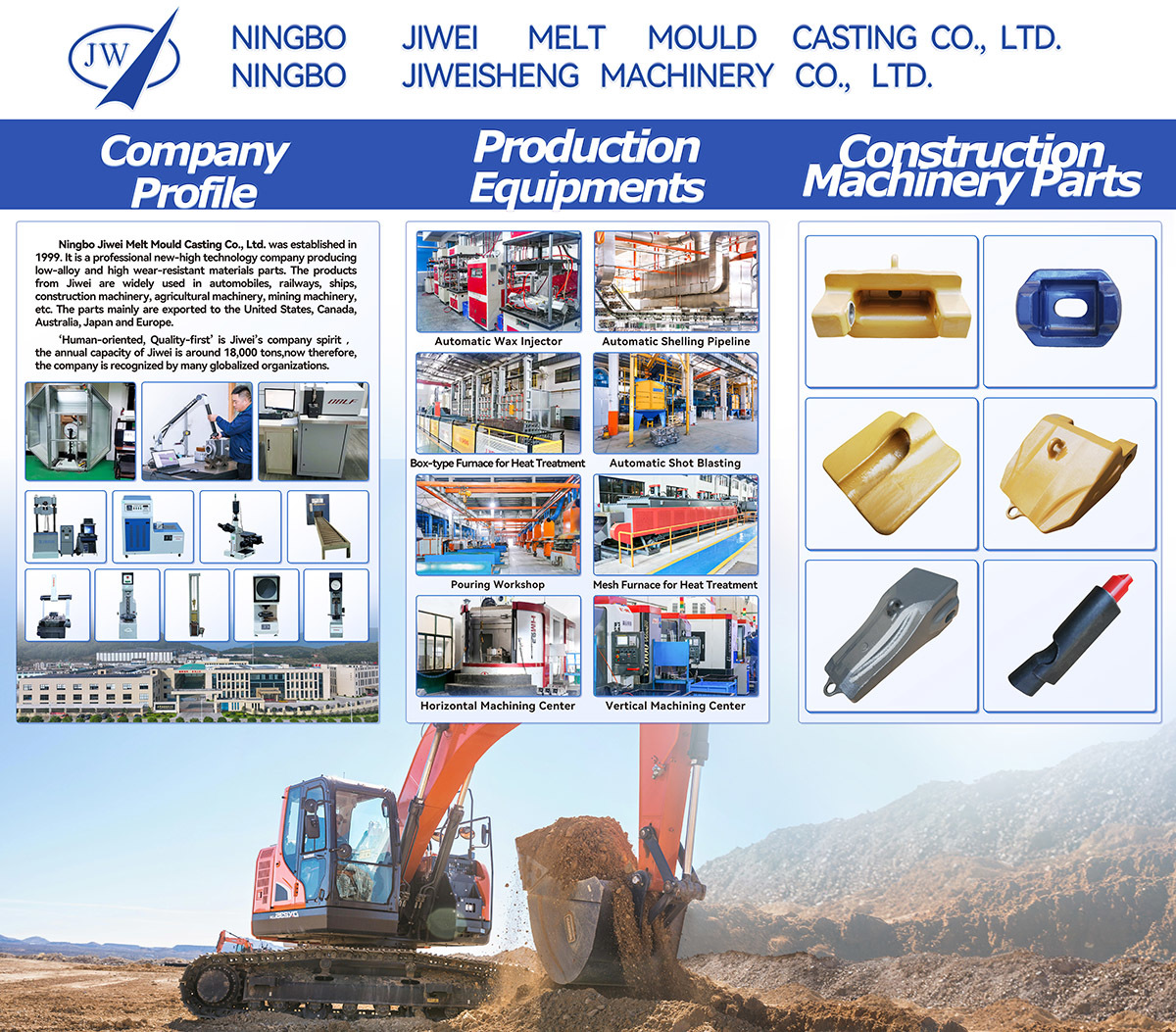
2025 Mexico Exhibition
Apr 30,2025
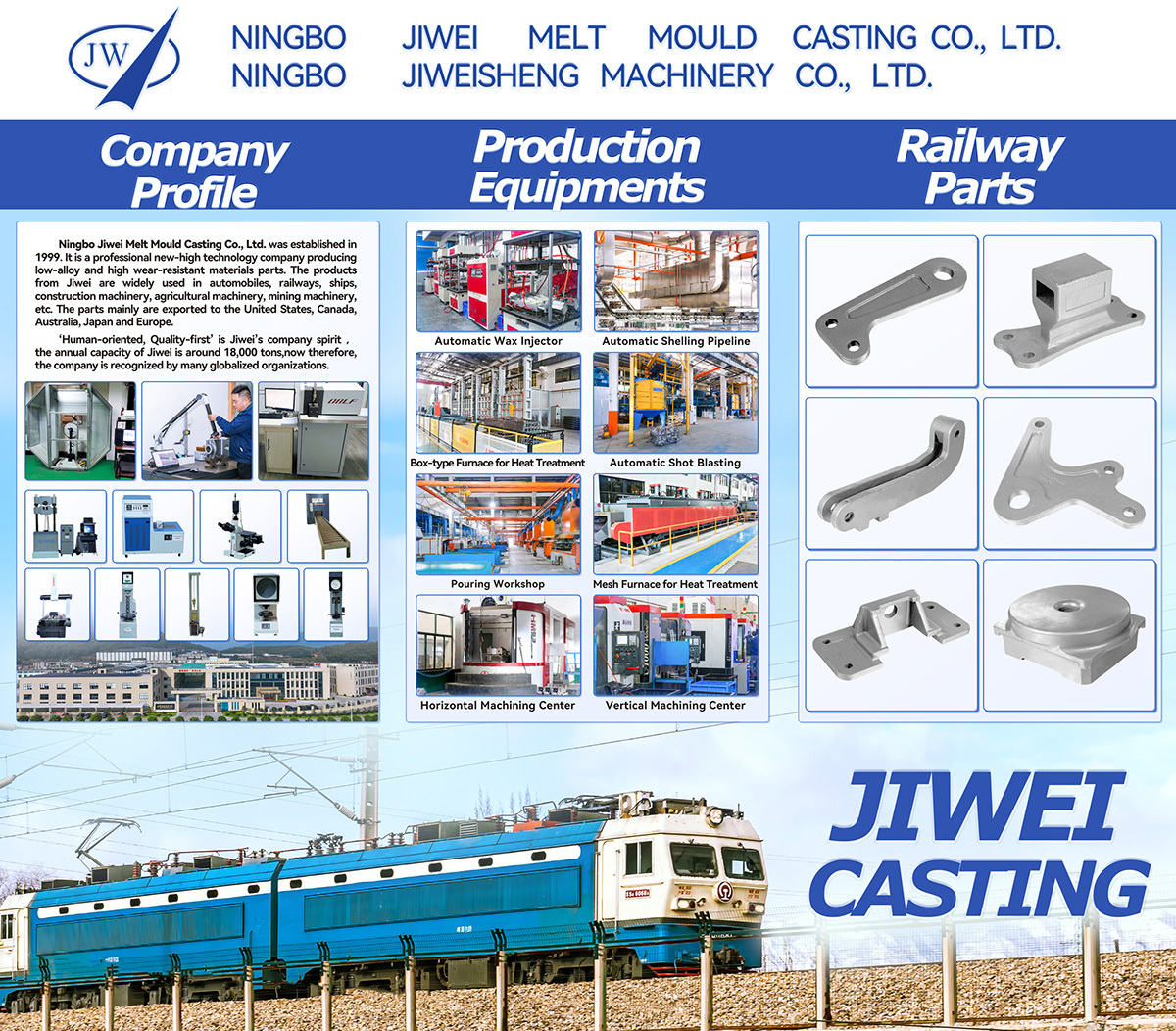
2025 American Rail Show