
02 Sep,2026
Enhancing Your Workshop: The Importance of Semi Pitman Arm Pullers
Enhancing Your Workshop: The Importance of Semi Pitman Arm Pullers Table of Contents Introduction to Semi Pitman Arm Pullers What Are Semi Pitman Arm Pullers? Benefits of Using Semi Pitman Arm Pullers How to Choose the Right Semi Pitman Arm Puller Types of Semi Pitman Arm Pullers Step-by-Step Guide to Using Semi Pitman Arm Pullers Maintenance and Care of Semi Pitman Ar


Enhancing Your Workshop: The Importance of Semi Pitman Arm Pullers
Table of Contents
- Introduction to Semi Pitman Arm Pullers
- What Are Semi Pitman Arm Pullers?
- Benefits of Using Semi Pitman Arm Pullers
- How to Choose the Right Semi Pitman Arm Puller
- Types of Semi Pitman Arm Pullers
- Step-by-Step Guide to Using Semi Pitman Arm Pullers
- Maintenance and Care of Semi Pitman Arm Pullers
- Common Mistakes to Avoid When Using Pullers
- Conclusion
- FAQs
Introduction to Semi Pitman Arm Pullers
In the realm of engineering and construction machinery, the **semi pitman arm puller** stands as a vital tool designed for smoothly removing pitman arms from steering mechanisms. Inadequate tools can lead to damaged components, increased downtime, and unnecessary expenses. Thus, understanding the importance and functionality of these pullers is essential for any professional workshop.
What Are Semi Pitman Arm Pullers?
Semi pitman arm pullers are specialized tools used primarily in mechanical engineering for the removal of pitman arms, which are crucial components in vehicle steering systems. Unlike full pitman arm pullers, semi pitman arm pullers are designed to work in tighter spaces, making them particularly useful when conventional pullers cannot be effectively utilized.
These tools generally consist of a central screw, arms, and a pulling mechanism, which effectively grips the pitman arm and assists in its removal without damaging adjacent components. Their design allows for maximum torque application while minimizing the risk of slippage.
Benefits of Using Semi Pitman Arm Pullers
The advantages of incorporating semi pitman arm pullers into your workshop setup are numerous:
1. Precision and Control
Utilizing semi pitman arm pullers ensures that the application of force is controlled and precise. This reduces the likelihood of damaging surrounding components during the removal process.
2. Versatility
These pullers can be employed across a range of applications, from automotive maintenance to agricultural machinery repairs. Their ability to function in confined spaces enhances their versatility.
3. Time Efficiency
The use of semi pitman arm pullers significantly decreases repair time, allowing mechanics to complete jobs faster and increasing overall workshop productivity.
4. Cost-Effective Maintenance
Investing in high-quality pullers can save money in the long run by preventing damage to components that would otherwise require costly replacements.
How to Choose the Right Semi Pitman Arm Puller
Selecting the right semi pitman arm puller involves considering several factors:
1. Compatibility
Ensure that the puller is compatible with the specific make and model of the vehicle or machinery you’re working on. Check the specifications provided by the manufacturer.
2. Build Quality
Opt for pullers made from high-quality materials that can withstand the rigors of heavy use. Look for features such as rust resistance and durability.
3. Ease of Use
Choose a puller that is user-friendly, allowing for easy setup and operation. A good puller should come with clear instructions or guidelines.
Types of Semi Pitman Arm Pullers
Understanding the various types of semi pitman arm pullers available on the market can aid in making an informed decision:
1. Two-Jaw Pullers
These are often the most common type, featuring two arms that clamp onto the pitman arm. They are suitable for many standard applications.
2. Three-Jaw Pullers
Three-jaw pullers provide greater stability and grip, making them ideal for larger or more stubborn pitman arms.
3. Hydraulic Pullers
For heavy-duty applications, hydraulic pullers offer increased power and efficiency, allowing for the removal of even the most difficult components.
Step-by-Step Guide to Using Semi Pitman Arm Pullers
Using a semi pitman arm puller effectively requires following specific steps:
Step 1: Preparation
Ensure the area is clean and free from obstructions. Gather all necessary tools, including safety gear.
Step 2: Positioning the Puller
Carefully position the puller around the pitman arm, ensuring that the jaws are securely gripping the component.
Step 3: Tightening the Puller
Gradually tighten the central screw on the puller. Apply steady pressure and monitor for any signs of resistance.
Step 4: Removal
Once adequate pressure is applied, gently tap the puller to facilitate the removal of the pitman arm. Do not force the component, as this could cause damage.
Step 5: Inspection
After successful removal, inspect both the puller and the pitman arm for any signs of damage.
Maintenance and Care of Semi Pitman Arm Pullers
To maximize the longevity of your semi pitman arm pullers, regular maintenance is crucial:
1. Cleaning
After each use, clean the puller to remove grease, dirt, and debris. This prevents corrosion and maintains functionality.
2. Lubrication
Apply lubricant to moving parts as recommended by the manufacturer. This reduces friction and wear over time.
3. Storage
Store pullers in a dry, secure location to prevent damage. Consider using protective cases to shield them from impacts.
Common Mistakes to Avoid When Using Pullers
To ensure successful operations, avoid these common pitfalls:
1. Not Using Enough Force
Applying insufficient force can lead to unsuccessful removal attempts. However, be cautious not to exceed the puller's limits, which could cause damage.
2. Ignoring Safety Precautions
Always wear appropriate safety gear and ensure the area is safe before operating the puller.
3. Failing to Inspect Before Use
Neglecting to check the puller for wear and tear can lead to malfunctions during operation.
Conclusion
Incorporating semi pitman arm pullers into your workshop is not only a matter of convenience but also a necessity for ensuring the longevity and reliability of your machinery. The benefits far outweigh the initial investment, offering precision, efficiency, and versatility in a wide range of applications. By understanding the different types available, learning how to use them effectively, and maintaining them properly, you can significantly enhance your workshop’s productivity and performance.
FAQs
1. What is the primary function of a semi pitman arm puller?
The primary function of a semi pitman arm puller is to safely and efficiently remove pitman arms from steering systems without damaging surrounding components.
2. Can I use a semi pitman arm puller on all types of vehicles?
While semi pitman arm pullers are versatile, it is essential to ensure compatibility with the specific vehicle model you are working on.
3. How do I know which type of puller to choose?
Consider factors such as the size of the pitman arm, the amount of space available, and the type of mechanical work you are performing.
4. What maintenance is required for semi pitman arm pullers?
Regular cleaning, lubrication, and proper storage are crucial to maintain the functionality and longevity of your pullers.
5. Can I use a semi pitman arm puller for other applications?
Yes, semi pitman arm pullers can be used for various mechanical applications, as long as they are compatible with the components being worked on.
Apr 30,2025
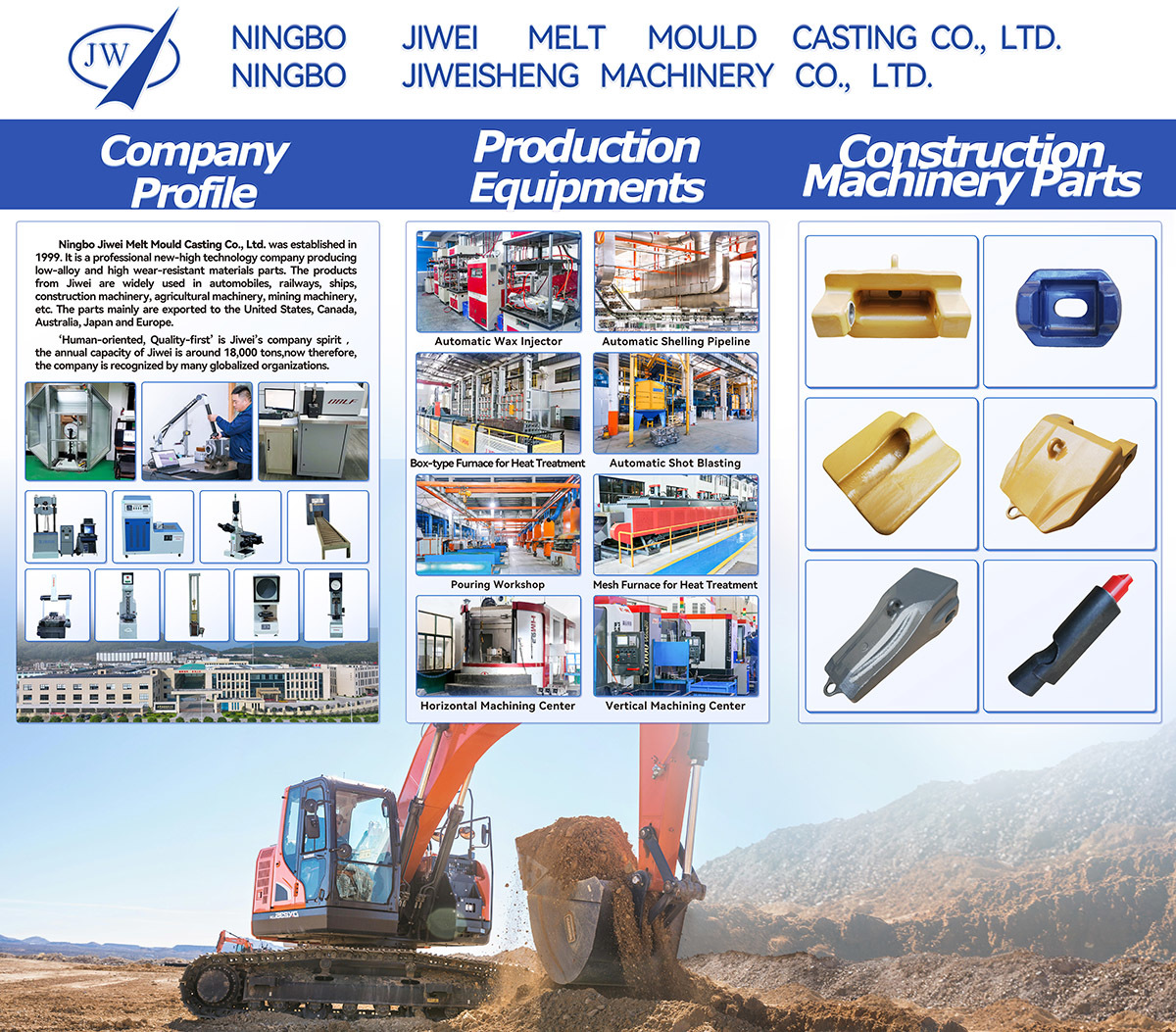
2025 Mexico Exhibition
Apr 30,2025
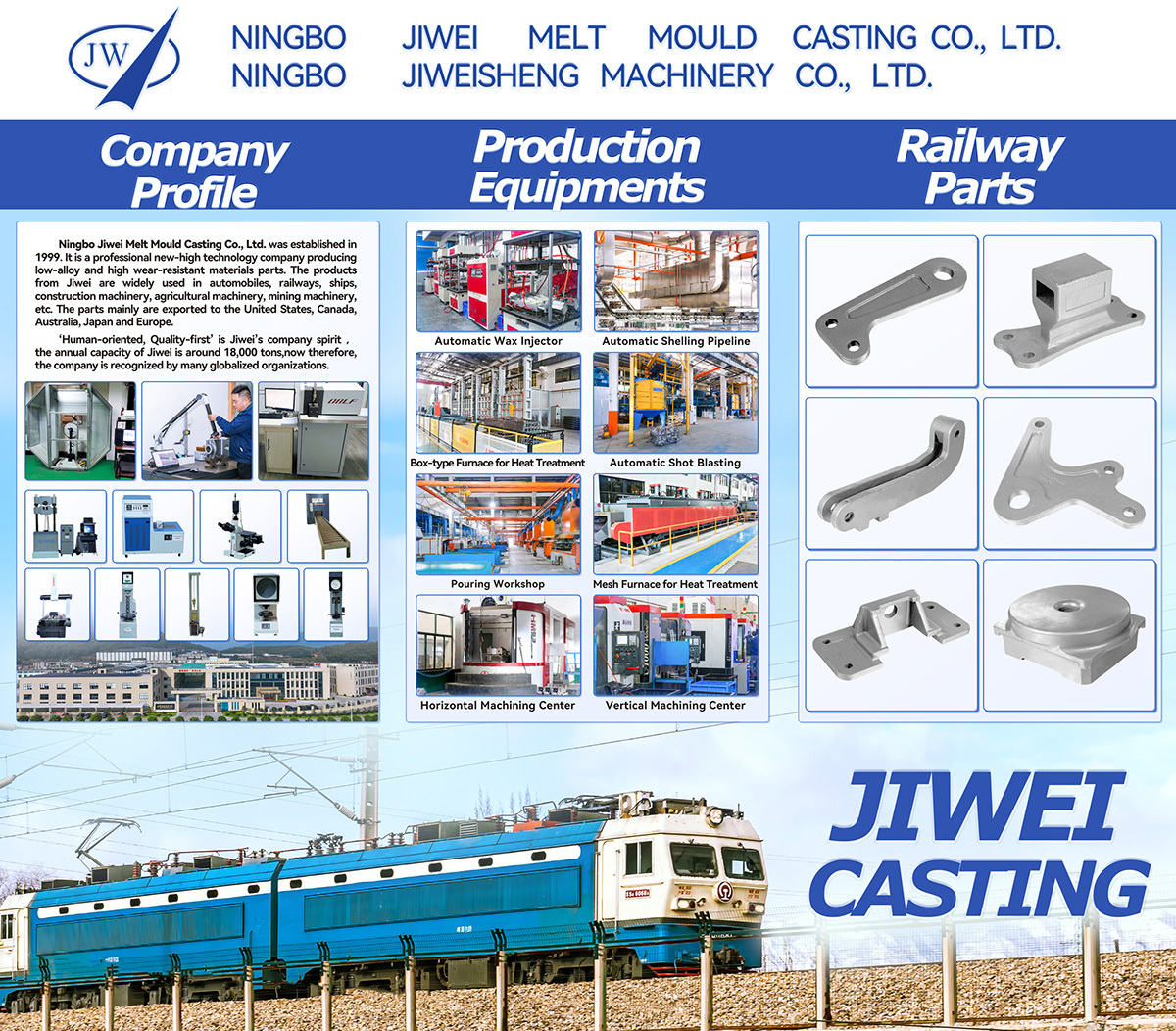
2025 American Rail Show