
07 Oct,2026
Elevating Engineering Excellence: The Importance of Quality Railway Steel Casting in Construction Machinery
Quality railway steel casting plays a pivotal role in the manufacturing and engineering sectors, particularly in the production of robust and durable machinery components. The necessity for high-quality castings is underscored by the demands of modern engineering, where reliability and performance are paramount. One of the key factors that contribute to the quality of railway steel casting is the


Quality railway steel casting plays a pivotal role in the manufacturing and engineering sectors, particularly in the production of robust and durable machinery components. The necessity for high-quality castings is underscored by the demands of modern engineering, where reliability and performance are paramount.
One of the key factors that contribute to the quality of railway steel casting is the selection of raw materials. High-grade alloys and steels must be utilized to ensure that the final product can withstand the stresses and strains encountered in construction applications. The chemical composition of these materials should adhere to industry standards, ensuring optimal mechanical properties such as tensile strength, ductility, and resistance to wear and corrosion.
The casting process itself is another critical aspect that impacts the quality of the final product. Techniques such as sand casting, investment casting, or die casting may be employed, each offering distinct advantages based on the specific requirements of the component being produced. Precision in the casting process is crucial; any defects, such as porosity or inclusions, can significantly undermine the strength and longevity of the machinery parts.
Moreover, the cooling rates and temperature control during casting play a significant role in determining the microstructure of the cast steel. Controlled cooling helps in achieving the desired mechanical properties and minimizing the likelihood of defects. Advanced technologies, such as computer simulations and real-time monitoring systems, are increasingly being integrated into the casting process to enhance precision and quality.
Post-casting treatments and inspections are vital to ensuring the integrity of railway steel castings. Techniques such as heat treatment and surface hardening can enhance the mechanical properties of the cast product, while non-destructive testing methods, such as ultrasonic or radiographic inspection, help identify any potential flaws that could affect performance.
In conclusion, for professionals in the manufacturing and engineering machinery industry, understanding the intricacies of quality railway steel casting is essential. By focusing on material selection, precise casting techniques, temperature control, and thorough post-processing inspections, manufacturers can produce components that not only meet but exceed the rigorous demands of the construction sector. Investing in quality railway steel casting is not just about compliance; it’s about ensuring reliability, safety, and efficiency in every piece of machinery produced.
Apr 30,2025
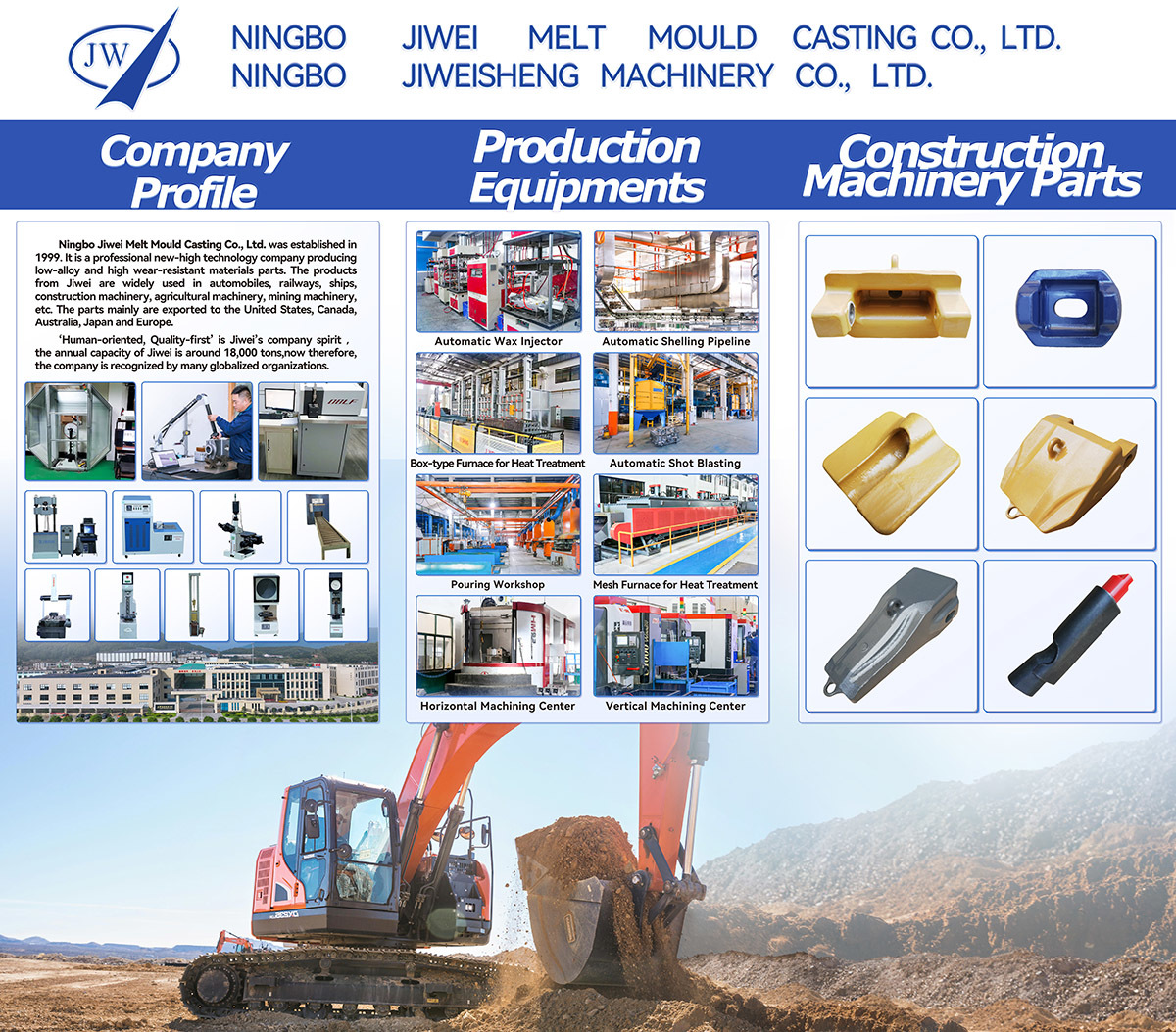
2025 Mexico Exhibition
Apr 30,2025
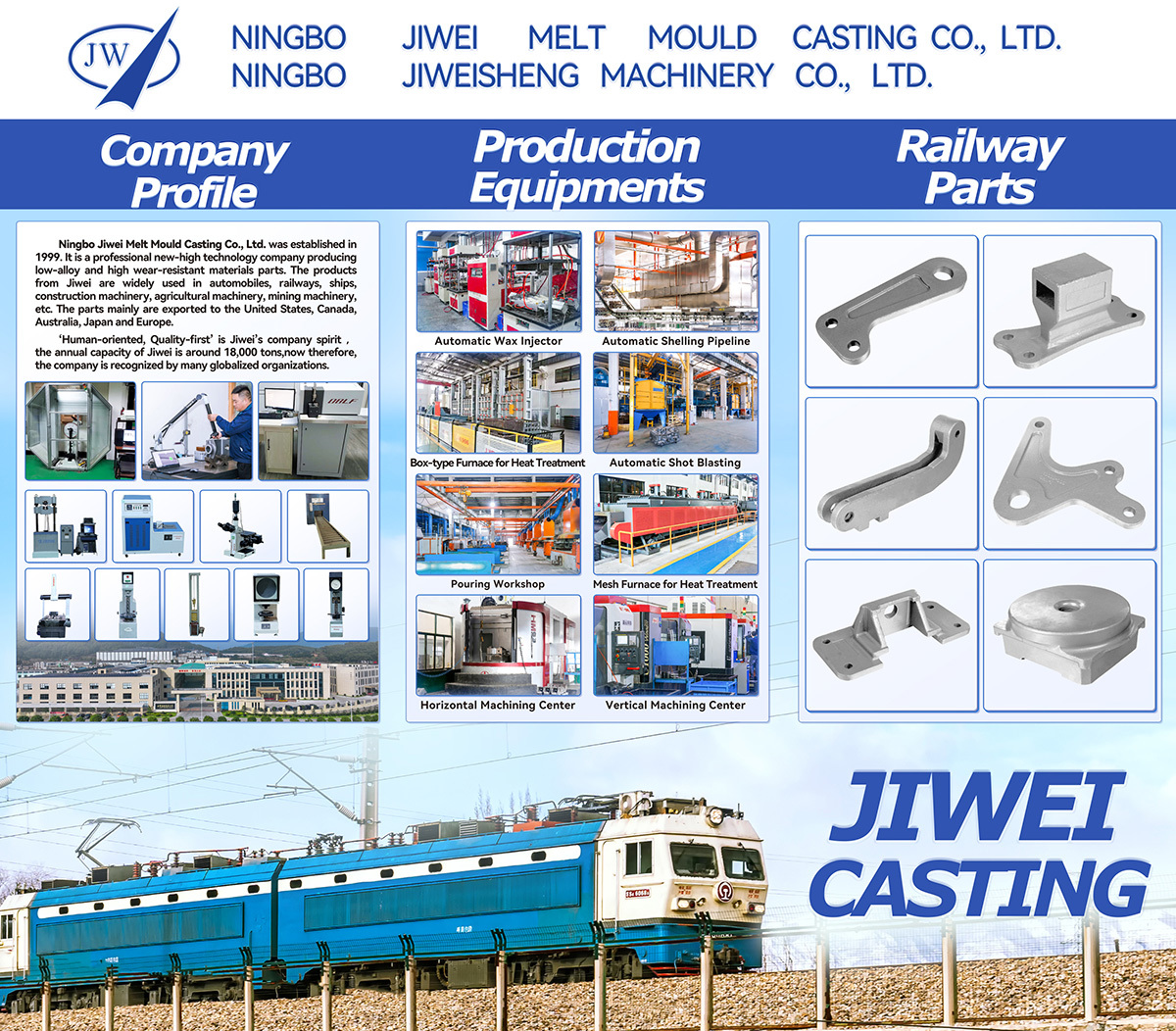
2025 American Rail Show