
09 Dec,2025
Understanding Heat Resistant Steel Casting in China: Applications and Benefits
Heat resistant steel casting is a crucial area in the manufacturing of engineering and construction machinery components. In China, this process has gained immense importance due to its ability to withstand high temperatures while maintaining structural integrity, making it invaluable for various industrial applications. Heat resistant steel is specifically designed to perform reliably under extre


Heat resistant steel casting is a crucial area in the manufacturing of engineering and construction machinery components. In China, this process has gained immense importance due to its ability to withstand high temperatures while maintaining structural integrity, making it invaluable for various industrial applications.
Heat resistant steel is specifically designed to perform reliably under extreme conditions, such as high temperatures and corrosive environments. It is commonly used in components that are exposed to intense heat, such as engine parts, exhaust systems, and turbine casings. The casting process involves pouring molten steel into molds to create complex shapes, allowing for high precision and custom designs tailored to specific machinery needs.
One of the primary benefits of heat resistant steel casting is its durability. The unique chemical composition of heat resistant steel provides exceptional resistance to thermal degradation, which means that components made from this material can last longer and require less frequent replacements. This not only leads to cost savings over time but also enhances the efficiency of machinery operations.
Moreover, the strength of heat resistant steel enables it to handle mechanical stress and strains that are common in construction and engineering applications. This is particularly important in industries where machinery components are subject to heavy loads and dynamic forces, ensuring safety and reliability in operations.
In addition to durability and strength, heat resistant steel casting also offers excellent design flexibility. Manufacturers can create intricate geometries and complex configurations that are often required in modern engineering applications. This flexibility is essential for developing innovative machinery solutions that meet the evolving demands of the industry.
China’s advancements in metallurgy and casting technologies have positioned it as a leader in the production of heat resistant steel. The country’s investments in research and development have resulted in the creation of new alloys and casting techniques that further enhance the performance of heat resistant steel components. This continuous innovation is vital for meeting the growing needs of the engineering and construction sectors.
Furthermore, the manufacturing processes in China adhere to stringent quality control standards, ensuring that the heat resistant steel castings produced are of the highest quality. This commitment to excellence is crucial for maintaining the reliability and safety of machinery in various applications.
In conclusion, heat resistant steel casting in China plays a vital role in the manufacturing of engineering and construction machinery components. Its ability to withstand high temperatures, combined with its durability and design flexibility, makes it an essential material for the industry. As technology continues to advance, the benefits of using heat resistant steel castings will only expand, further solidifying their importance in the engineering landscape.
Heat resistant steel is specifically designed to perform reliably under extreme conditions, such as high temperatures and corrosive environments. It is commonly used in components that are exposed to intense heat, such as engine parts, exhaust systems, and turbine casings. The casting process involves pouring molten steel into molds to create complex shapes, allowing for high precision and custom designs tailored to specific machinery needs.
One of the primary benefits of heat resistant steel casting is its durability. The unique chemical composition of heat resistant steel provides exceptional resistance to thermal degradation, which means that components made from this material can last longer and require less frequent replacements. This not only leads to cost savings over time but also enhances the efficiency of machinery operations.
Moreover, the strength of heat resistant steel enables it to handle mechanical stress and strains that are common in construction and engineering applications. This is particularly important in industries where machinery components are subject to heavy loads and dynamic forces, ensuring safety and reliability in operations.
In addition to durability and strength, heat resistant steel casting also offers excellent design flexibility. Manufacturers can create intricate geometries and complex configurations that are often required in modern engineering applications. This flexibility is essential for developing innovative machinery solutions that meet the evolving demands of the industry.
China’s advancements in metallurgy and casting technologies have positioned it as a leader in the production of heat resistant steel. The country’s investments in research and development have resulted in the creation of new alloys and casting techniques that further enhance the performance of heat resistant steel components. This continuous innovation is vital for meeting the growing needs of the engineering and construction sectors.
Furthermore, the manufacturing processes in China adhere to stringent quality control standards, ensuring that the heat resistant steel castings produced are of the highest quality. This commitment to excellence is crucial for maintaining the reliability and safety of machinery in various applications.
In conclusion, heat resistant steel casting in China plays a vital role in the manufacturing of engineering and construction machinery components. Its ability to withstand high temperatures, combined with its durability and design flexibility, makes it an essential material for the industry. As technology continues to advance, the benefits of using heat resistant steel castings will only expand, further solidifying their importance in the engineering landscape.
Apr 30,2025
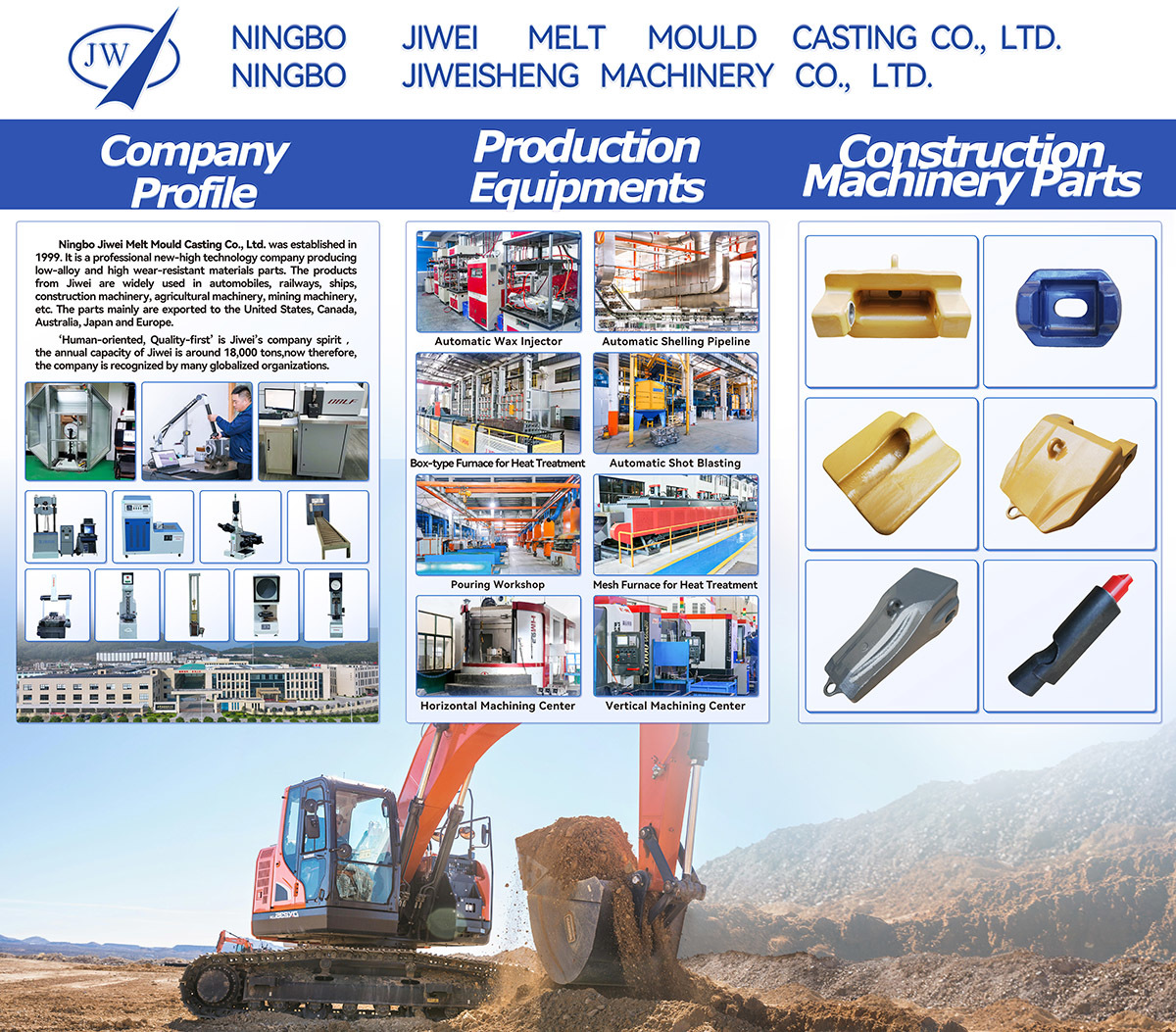
2025 Mexico Exhibition
Apr 30,2025
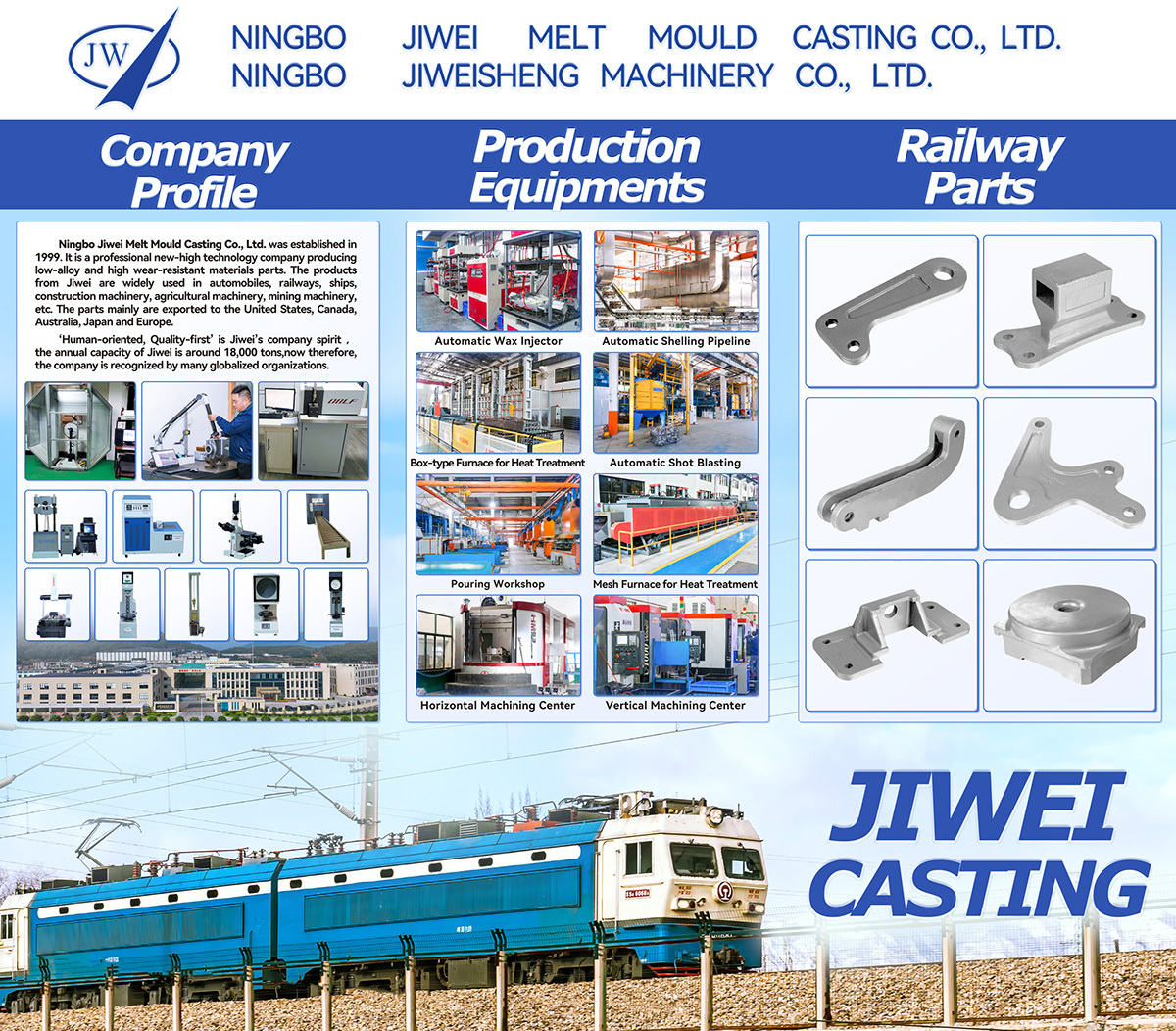
2025 American Rail Show