
22 May,2026
The Importance of Reliable Pillow Block Pipe Supports in Construction
The Importance of Reliable Pillow Block Pipe Supports in Construction Introduction to Pillow Block Pipe Supports Pillow block pipe supports are critical components in the construction and engineering industries, primarily used to support and stabilize piping systems. They provide the necessary strength and durability to handle various loads, ensuring that pipes remain securely in place. Unders


The Importance of Reliable Pillow Block Pipe Supports in Construction
Introduction to Pillow Block Pipe Supports
Pillow block pipe supports are critical components in the construction and engineering industries, primarily used to support and stabilize piping systems. They provide the necessary strength and durability to handle various loads, ensuring that pipes remain securely in place. Understanding the significance of these supports can drastically improve project outcomes and safety standards.
What Are Pillow Block Pipe Supports?
Pillow block pipe supports are specialized structural elements designed to hold and stabilize pipes. Typically made from metal or high-strength plastics, they feature a mount or base that sits on a flat surface, allowing for both vertical and horizontal support. The "pillow" design offers cushioning and flexibility, accommodating thermal expansion and contraction in the piping systems.
Types of Pillow Block Pipe Supports
There are several types of pillow block pipe supports available, each tailored for different applications and environments. The most common types include:
1. Adjustable Pillow Block Supports
These supports allow for height adjustments, making them ideal for projects where precise alignment is necessary.
2. Fixed Pillow Block Supports
Fixed supports provide a stable base without any adjustability, suitable for straight, horizontal piping systems.
3. Spring Supports
In environments where pipes undergo significant thermal expansion, spring pillow block supports provide flexibility and can absorb movement.
Key Functions of Pillow Block Pipe Supports
Pillow block pipe supports serve multiple functions essential to the integrity of construction projects:
- **Load Distribution:** They evenly distribute the weight of the pipes, preventing localized stress that can lead to failures.
- **Vibration Reduction:** By minimizing vibrations from machinery and other sources, these supports protect the structural integrity of piping systems.
- **Thermal Expansion Management:** Proper supports allow for necessary movement due to temperature changes, reducing the risk of leaks and damage.
Benefits of Reliable Pillow Block Pipe Supports
Opting for high-quality pillow block pipe supports can lead to numerous advantages in construction projects. Below are some of the key benefits:
1. Enhanced Safety Standards
Reliable supports help maintain the structural integrity of piping systems, significantly reducing the risk of leaks, spills, and catastrophic failures. This contributes to a safer work environment.
2. Improved Project Longevity
Quality pillow block supports extend the lifespan of piping systems by mitigating wear and tear caused by environmental factors and mechanical stress.
3. Cost-Effectiveness
Investing in reliable supports can save money in the long run by reducing maintenance costs, preventing damage, and minimizing downtime.
4. Increased Efficiency
A well-supported piping system operates more efficiently, as it minimizes the energy lost through leaks and vibrations, ultimately enhancing overall project productivity.
Factors to Consider When Selecting Pillow Block Pipe Supports
Choosing the right pillow block pipe supports is crucial for maximizing their effectiveness. Here are key factors to consider:
1. Material Composition
The materials used in the construction of pillow block supports affect their durability and performance. Common materials include stainless steel, carbon steel, and high-density plastics, each offering different levels of resistance to corrosion, temperature fluctuations, and mechanical stress.
2. Load Capacity
Assess the specific load requirements of your piping system. Pillow block supports come with varying load capacities, so selecting supports that match or exceed your system's needs is essential.
3. Environmental Conditions
Consider the surrounding environment where the supports will be installed. Factors such as humidity, temperature range, and potential exposure to chemicals can influence the lifespan and effectiveness of the supports.
4. Installation Requirements
The ease of installation can significantly impact project timelines. Choose supports that allow for straightforward installation to minimize labor costs and expedite project completion.
Best Practices for Using Pillow Block Pipe Supports
To maximize the benefits of pillow block pipe supports, it's essential to follow best practices during installation and maintenance.
1. Proper Alignment and Positioning
Ensure that all supports are correctly aligned and positioned before securing them in place. Misalignment can lead to uneven load distribution and increased risk of failure.
2. Regular Inspections
Conduct regular inspections of pillow block supports to check for signs of wear, corrosion, or misalignment. Early detection of issues can prevent costly repairs down the line.
3. Adequate Lubrication
For adjustable supports, ensure that the moving parts are adequately lubricated to facilitate smooth operation and reduce friction.
Case Studies: The Impact of Reliable Pillow Block Pipe Supports
Examining real-world examples can shed light on the importance of selecting high-quality pillow block pipe supports.
Case Study 1: Oil and Gas Industry
In a major oil refinery, the implementation of robust pillow block pipe supports resulted in a 30% reduction in maintenance costs over five years. The supports effectively managed thermal expansion and vibration, preventing leaks and downtime.
Case Study 2: Chemical Processing Plant
A chemical processing plant experienced numerous failures due to inadequate pipe supports. Upon switching to high-quality pillow block supports, they eliminated 95% of unscheduled outages, significantly improving productivity.
Frequently Asked Questions (FAQs)
1. What is the primary function of pillow block pipe supports?
The primary function is to support and stabilize piping systems, ensuring proper load distribution and accommodating thermal expansion.
2. How do I choose the right pillow block pipe support for my project?
Consider factors such as material composition, load capacity, environmental conditions, and installation requirements when selecting the right support.
3. Are pillow block pipe supports adjustable?
Yes, many models feature adjustable heights to accommodate specific project needs.
4. What materials are commonly used in pillow block pipe supports?
Common materials include stainless steel, carbon steel, and high-density plastics, chosen based on the specific demands of the environment.
5. How often should I inspect pillow block pipe supports?
Regular inspections should be conducted at least once a year, or more frequently in environments with high wear and tear.
Conclusion
Reliable pillow block pipe supports are essential for ensuring the effectiveness and safety of piping systems in construction projects. By understanding their functions, benefits, and the factors to consider when selecting them, we can make informed decisions that lead to successful outcomes. Investing in high-quality supports not only enhances safety and efficiency but also contributes to the long-term sustainability of construction projects. Prioritizing these supports is a step towards a safer and more productive construction environment.
Apr 30,2025
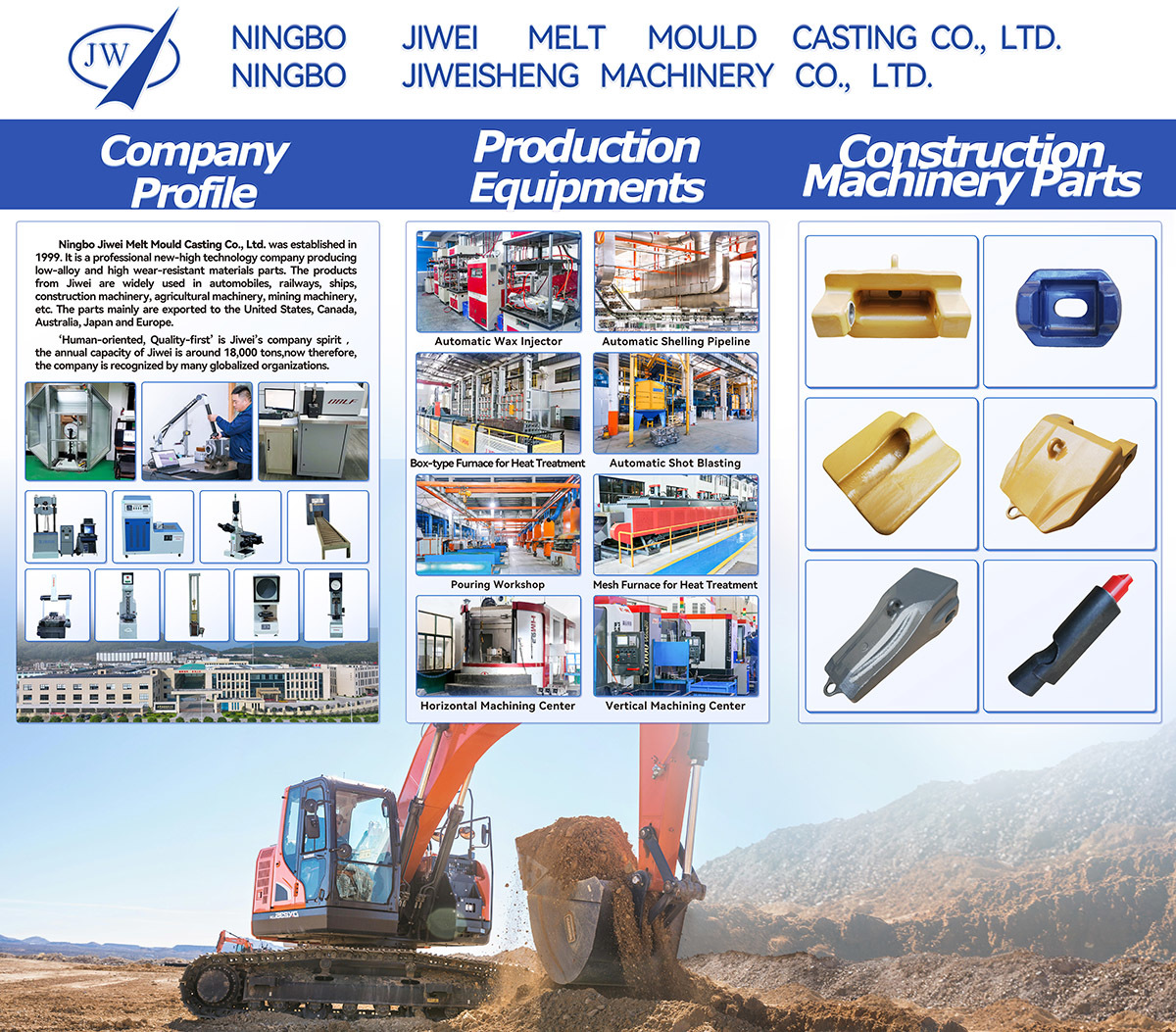
2025 Mexico Exhibition
Apr 30,2025
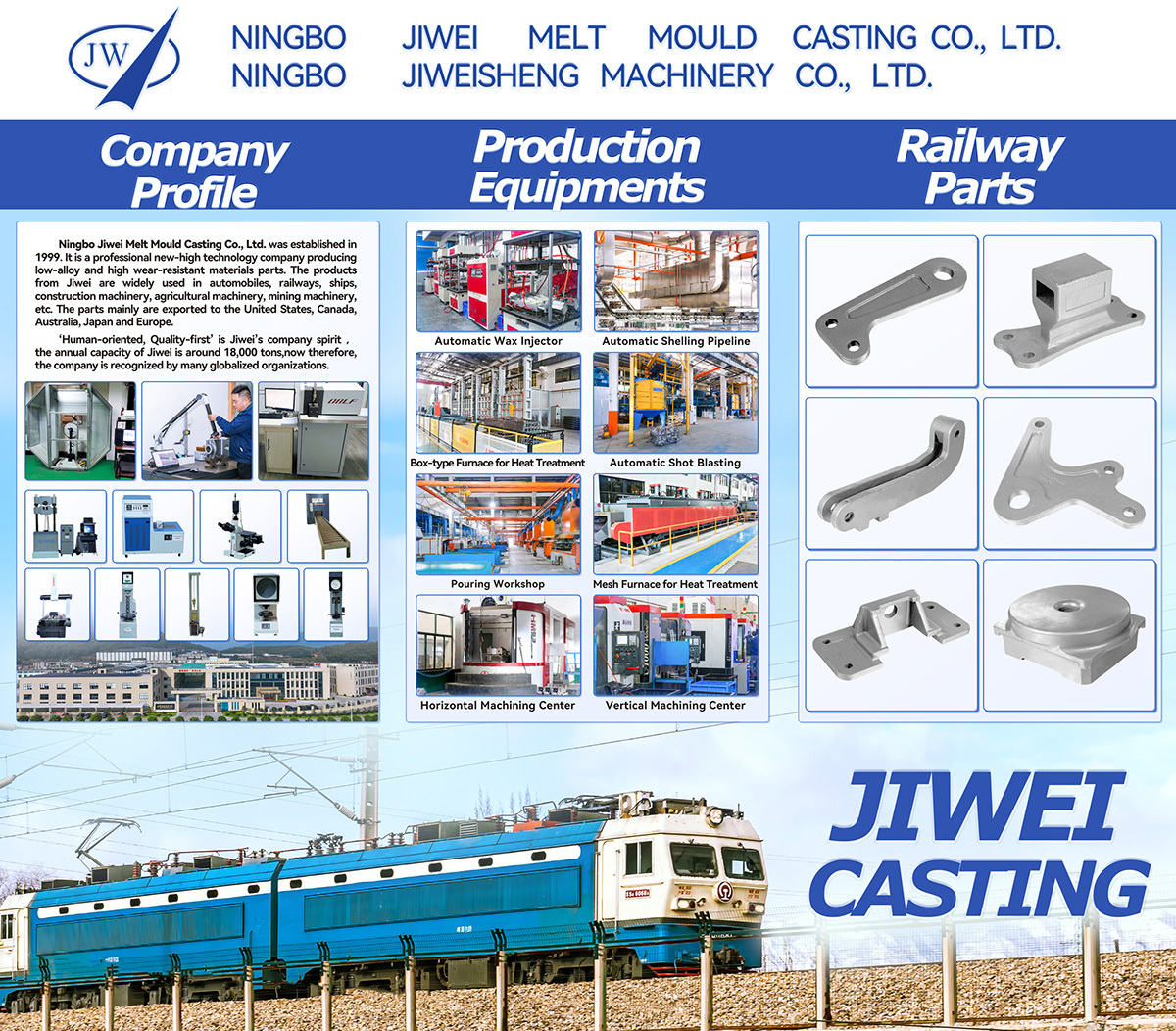
2025 American Rail Show