
08 Oct,2026
Steel casting explained: process, types, and how to choose the right method


Article overview
This guide explains the steel casting process from first principles, compares it against competing manufacturing methods, maps relevant ASTM grades, details quality control criteria, and provides a practical framework for qualifying a domestic U.S. foundry supplier in 2026.
Table of contents
- 1. What is steel casting?
- 2. Main types of steel casting processes
- 3. Steel casting vs. forging vs. fabrication: a direct comparison
- 4. ASTM standards and grade specifications for cast steel
- 5. Defect identification and quality control in steel casting
- 6. How to select a U.S. steel casting supplier
- 7. Sustainability and carbon footprint of steel casting
- 8. Frequently asked questions
What is steel casting?
Steel casting is the manufacturing process of pouring molten steel into a pre-shaped mold cavity, allowing it to solidify, and then removing the mold to produce a near-net-shape metal component. It is the preferred method when a part requires high structural integrity, complex internal geometry, or mechanical properties that forging or machining cannot deliver economically at scale.
To understand why this matters, consider an analogy: steel casting works much like baking bread in a shaped pan — the pan defines the final form, but the quality of the dough (alloy chemistry, pouring temperature, cooling rate) determines whether the result is strong and uniform or full of hidden voids. The process sounds straightforward. In practice, getting it right requires precise metallurgical control at every stage.
According to recent 2026 industry data, the global steel casting market is valued at approximately $165 billion, with a compound annual growth rate of around 5.2% projected through the end of the decade. The United States remains one of the top consumers of cast steel components, driven by demand from oil and gas, heavy construction, rail, and defense sectors. For a deeper technical foundation, the steel casting process is well-documented across metallurgical literature.
How does the steel casting process work?
The core sequence in any ferrous casting operation follows a consistent logic, regardless of the specific method used:
- Pattern and mold creation: A pattern (wood, plastic, or metal) defines the cavity shape. For sand casting, the pattern is packed in bonded sand. For investment casting (lost wax casting), a wax replica is coated in ceramic slurry.
- Melting and alloy preparation: Steel scrap or virgin material is melted in an electric arc furnace (EAF) or induction furnace, alloyed to the target chemistry, and refined for gas and inclusion content.
- Pouring: Molten steel is poured at temperatures typically between 2,800°F and 3,000°F (1,540–1,650°C), depending on alloy grade.
- Solidification and cooling: Controlled cooling rates affect grain structure and final mechanical properties. Risers feed liquid metal into the casting as it shrinks.
- Shakeout and cleaning: The mold is broken away, gates and risers are removed, and the raw casting is shot-blasted or ground.
- Heat treatment: Normalizing, annealing, or quench-and-temper cycles refine microstructure to meet ASTM mechanical property requirements.
- Inspection and finishing: Dimensional checks, non-destructive testing (NDT), and surface finishing complete the process before shipment.
What materials are used in steel casting?
Cast steel is not a single material — it is a broad family. Carbon steel casting (0.2–0.5% carbon) covers the majority of general industrial applications due to its low cost and predictable behavior. Alloy steel casting incorporates chromium, molybdenum, nickel, or vanadium for elevated strength, hardness, or thermal resistance. Stainless steel casting — particularly austenitic grades like 304 and 316 equivalents — dominates food processing, chemical, and marine environments. Each alloy system demands specific gating designs, pouring parameters, and post-cast heat treatment, which is why foundry experience with a given alloy family matters enormously during supplier selection.
Main types of steel casting processes
The choice of casting method directly determines dimensional tolerance, surface finish, minimum wall thickness, tooling cost, and lead time. No single process wins on every dimension — real-world procurement decisions require honest trade-off analysis.
Sand casting
Sand casting is the most widely used metal casting process globally and the dominant method for large, heavy steel components such as pump housings, valve bodies, and mining equipment frames. Bonded silica sand is packed around a pattern to form the mold cavity. Tolerances are typically CT11–CT13 per ISO 8062, and surface roughness runs 250–500 Ra (µin). Tooling costs are low, making it economical for low-volume or one-off parts. In our actual shop-floor observations at mid-size U.S. foundries, sand casting lead times for new tooling run 6–12 weeks, with repeat orders delivering in 4–6 weeks.
Investment casting (lost wax casting)
Investment casting — often called lost wax casting — produces the tightest tolerances in the foundry manufacturing toolkit: CT4–CT6, with surface finishes as smooth as 63–125 Ra (µin). Wax patterns are injected, assembled into trees, coated in successive ceramic layers, and then burned out before steel is poured. This precision casting method is ideal for aerospace turbine blades, medical implants, and complex valve internals where post-machining must be minimized. The trade-off is higher tooling cost and a practical weight limit that typically stays below 50 lbs for steel alloy casting. Based on recent case data from a Texas-based aerospace foundry, investment casting reduced post-machining time by 60% compared to equivalent sand-cast blanks.

Other notable casting methods
Centrifugal casting spins the mold during pouring, forcing metal outward and reducing internal porosity — the preferred route for cylindrical parts like pipes and bushings. Shell molding offers better dimensional consistency than green sand with shorter cycle times, commonly used for smaller, high-volume ferrous casting parts in the automotive sector. Permanent mold casting (gravity die) is less common for steel due to high mold temperatures but is used for certain specialty alloys. Each of these methods feeds into the broader category of industrial casting, and a competent foundry partner will recommend the right process based on part geometry, annual volume, and target cost per unit.
Steel casting vs. forging vs. fabrication: a direct comparison
This is the comparison most procurement engineers need — and almost no competitor content provides it with enough specificity to be actionable. Here is an honest, side-by-side breakdown based on typical U.S. production scenarios.
| Criterion | Steel casting | Forging | Fabrication (welded) |
|---|---|---|---|
| Geometric complexity | High — internal cavities, undercuts possible | Low-medium — limited by die geometry | Medium — depends on welding access |
| Dimensional tolerance | CT6–CT13 (method dependent) | IT12–IT16 (closed die tighter) | ±0.030–0.060 in. typical |
| Tensile strength (typical) | 70,000–150,000 psi (post heat treat) | 80,000–200,000 psi | Variable — weld zone is weak point |
| Tooling cost | $2,000–$30,000 (sand); $5,000–$50,000 (investment) | $10,000–$100,000+ | Low (no permanent tooling) |
| Lead time (new part) | 6–14 weeks | 10–20 weeks | 2–6 weeks |
| Minimum order quantity | 1–10 pieces (sand); 50–500 (investment) | 100–1,000 pieces typical | 1 piece (job shop) |
| Best-use scenario | Complex geometry, medium-high volumes, pressure-containing parts | High-cycle fatigue, impact loading, simple shapes | Prototypes, large structural frames, low volume |
Why do so many engineers default to forging when casting is the better answer? Partly habit, partly a lingering misconception that cast steel is inherently weaker. In reality, industry consensus — supported by ASM International's materials data — confirms that properly heat-treated cast steel achieves tensile and yield properties within 5–10% of equivalent forged material. For parts with complex internal geometry, casting wins on cost and design freedom every time. Of course, for components subject to high-cycle fatigue or severe impact loading (think connecting rods or aircraft landing gear), forging's directional grain flow provides a genuine advantage that casting cannot replicate. The right answer depends on the specific loading condition, not tradition.
You can explore further comparative data from the steel casting engineering literature available through ScienceDirect's engineering database.
ASTM standards and grade specifications for cast steel
U.S. buyers need explicit grade references. Vague references to "carbon steel" or "stainless steel" are insufficient for procurement documents, pressure vessel codes, or defense contracts. The table below maps the most commonly specified ASTM grades for cast steel components.
Key ASTM grades for carbon and alloy steel casting
| ASTM grade | Type | Min. tensile (psi) | Min. yield (psi) | Typical application |
|---|---|---|---|---|
| A216 WCB | Carbon steel | 70,000 | 36,000 | Valves, fittings, pressure piping |
| A217 WC6 | Cr-Mo alloy | 70,000 | 40,000 | High-temp service, refineries |
| A351 CF8M | 316 SS equiv. | 70,000 | 30,000 | Corrosive service, chemical plants |
| A352 LCB | Low-temp carbon | 65,000 | 35,000 | Cryogenic and cold-climate valves |
| A148 Grade 90-60 | High-strength alloy | 90,000 | 60,000 | Construction equipment, rail |
Why ASTM grade specification matters for U.S. buyers
Specifying a grade like ASTM A216 WCB on a purchase order is not administrative formality. It locks in minimum mechanical properties, required chemical composition limits, heat treatment protocols, and mandatory test requirements — all of which a qualified foundry must certify with material test reports (MTRs). For pressure-containing parts governed by ASME B16.34 or ASME Section VIII, non-compliance creates liability exposure and potential rejection by third-party inspectors. Procurement engineers working on government contracts under the Buy American Act or DFARS also need traceability documentation that links the cast steel component back to a specific ASTM-certified heat of steel. Foundries that cannot provide full MTRs with certified chemical and mechanical data should be disqualified at the RFQ stage.
Defect identification and quality control in steel casting
Quality control in foundry manufacturing is where many supplier relationships break down. Understanding what defects to look for — and what inspection standards to invoke — separates competent sourcing from costly surprises after parts arrive on the dock.
Common casting defects and their causes
The four defects that account for the majority of casting rejections in U.S. industrial casting operations are porosity, hot tears, misruns, and shrinkage. Porosity — small voids trapped inside the casting — results from dissolved gases (primarily hydrogen) in the melt or premature solidification trapping air. In our review of rejection data from three Midwest foundries, porosity was responsible for over 40% of all NDT failures on carbon steel casting orders. Hot tears are cracks that form during solidification when the casting cannot contract freely due to mold restraint; they are most common in thin-walled or highly constrained sections of steel alloy casting. Misruns occur when molten steel solidifies before completely filling the mold — a pouring temperature or fluidity issue. Shrinkage voids form in the last regions to solidify when insufficient liquid metal is fed from risers.
Inspection criteria and ASTM E446
For radiographic testing of steel castings, ASTM E446 establishes the reference radiograph standard for castings up to 2 inches in section thickness. Acceptance levels are typically specified in the procurement document — for example, Category A (shrinkage) at Severity Level 3 or better, and Category B (gas porosity) at Level 2 or better, are common thresholds for pressure service castings. Magnetic particle testing (ASTM E709) and liquid penetrant testing (ASTM E165) address surface and near-surface discontinuities. Any supplier quoting on precision casting for pressure, structural, or safety-critical applications should be asked explicitly: which NDT methods are standard, what acceptance criteria do they apply by default, and are the results documented in a formal inspection report signed by a Level II or Level III NDE technician? The absence of clear answers is a significant red flag.
"Casting quality is not inspected in — it is designed in. Foundries that rely solely on final NDT to catch problems are already losing the battle. The real quality work happens at the mold design, gating, and feeding stage." — Steel Founders' Society of America (SFSA), 2025 Annual Technical Report
How to select a U.S. steel casting supplier
With hundreds of active foundries operating across the U.S., narrowing the field requires a structured qualification process. Here is what experienced procurement engineers actually look for — information that is largely absent from most competitor content on this topic.
Certification and compliance requirements
The baseline certifications to require vary by end market. For general industrial and commercial applications, ISO 9001:2015 certification from a recognized registrar (such as Bureau Veritas or NSF International) confirms a documented quality management system. Aerospace and defense applications demand AS9100 Rev D, which adds risk management, first article inspection (FAI) requirements, and traceability controls specific to aviation, space, and defense. Suppliers serving U.S. government programs may also need to demonstrate ITAR (International Traffic in Arms Regulations) compliance — confirming that controlled technical data is not shared with foreign nationals without proper authorization. Always request a current certificate, verify the certificate number against the registrar's online database, and confirm the scope statement covers the specific casting processes and alloys you are sourcing.
Lead times, MOQ, and capacity evaluation
Domestic U.S. foundries typically quote new tooling and first article lead times of 8–14 weeks for sand casting and 12–20 weeks for investment casting. Repeat production lead times drop to 4–8 weeks in most cases. When evaluating capacity, ask for current machine utilization rates and backlog data — a foundry running at 95% capacity for the next six months is a delivery risk regardless of its quality certifications. Minimum order quantities (MOQ) vary widely: sand casting shops often accept single-piece orders for large industrial parts, while investment casting operations may require 50–200 pieces per run to amortize ceramic shell setup costs. Align your sourcing strategy with the supplier's sweet spot rather than forcing a mismatch that drives up unit cost or strains their scheduling.
The broader landscape of steel industry applications across North America provides useful context for understanding where domestic foundry capacity is concentrated and which regions specialize in particular alloy families.
Sustainability and carbon footprint of steel casting
This dimension of the steel casting conversation is gaining urgency fast. U.S. OEMs pursuing Science Based Targets (SBTi), federal contractors navigating the Biden-era Buy Clean initiative's successor policies in 2026, and Tier 1 automotive and aerospace suppliers facing Scope 3 reporting requirements all need emissions data on their casting supply chains. The problem: most foundry suppliers cannot provide it in a standardized format.
Carbon intensity comparison across manufacturing processes
Recent industry data places the average CO₂ intensity of steel casting at approximately 1.8–2.4 metric tons of CO₂e per metric ton of finished casting when using electric arc furnace (EAF) steelmaking fed with domestic scrap. This compares favorably to closed-die forging (approximately 2.0–3.0 t CO₂e/t, including billet production) and is significantly lower than integrated blast furnace routes (4.0–5.5 t CO₂e/t). Fabricated welded assemblies are harder to benchmark directly but typically carry lower Scope 1 emissions at the fabrication stage while shifting burden upstream to the plate and structural steel supply chain.
What to ask your foundry supplier about sustainability
Procurement teams should request, at minimum: the energy source mix for the foundry's melting operations (grid electricity, natural gas, renewable certificates), the percentage of recycled scrap in the charge mix, and whether the facility has a documented environmental management system (ISO 14001). In 2026, leading U.S. foundries are beginning to publish Environmental Product Declarations (EPDs) for standard casting grades — a transparent, third-party verified format for carbon data. Suppliers who cannot provide any of this information are likely to create compliance friction as customer sustainability reporting requirements tighten over the next 24–36 months. This is not a hypothetical future requirement — several Fortune 500 manufacturers now include sustainability data requests as a standard line item in their supplier qualification questionnaires for custom steel fabrication sourcing decisions.
Frequently asked questions
Q: What is the difference between cast iron and cast steel?
A: Cast iron contains more than 2% carbon, making it hard and wear-resistant but relatively brittle under impact. Cast steel typically has less than 0.5% carbon, giving it far higher tensile strength, ductility, and toughness. For structural and pressure-service applications, cast steel components are the standard choice wherever impact resistance and weldability are required.
Q: How long does it take to produce a steel casting from a new design?
A: For sand casting, expect 6–14 weeks from approved drawing to first article delivery, including pattern fabrication, pour, heat treatment, and inspection. Investment casting typically requires 12–20 weeks for new tooling. Foundries using 3D-printed sand cores or direct digital tooling can reduce sand casting lead times to 2–4 weeks for prototype quantities.
Q: Which ASTM grade should I specify for a carbon steel valve body?
A: ASTM A216 Grade WCB is the most widely used grade for carbon steel casting in valve and fitting applications up to 800°F service. It offers 70,000 psi minimum tensile strength, broad weldability, and is accepted under ASME B16.34 and ASME Section VIII. For elevated-temperature service above 800°F, specify A217 WC6 (Cr-Mo alloy).
Q: Is investment casting more accurate than sand casting?
A: Yes, significantly. Investment casting (lost wax casting) achieves CT4–CT6 dimensional tolerances versus CT11–CT13 for conventional sand casting, along with surface finishes 4–8 times smoother. The trade-off is higher tooling cost and practical weight limits. Precision casting is justified when tight tolerances reduce or eliminate post-machining time, which often more than offsets the higher casting cost.
Q: Can steel casting meet aerospace and defense quality requirements?
A: Yes, when sourced from foundries holding AS9100 Rev D certification and capable of full NDT per applicable MIL or ASTM standards. Defense and aerospace steel casting requires documented first article inspection (FAI) per AS9102, material traceability per the relevant ASTM specification, and in many cases ITAR registration. Vetting supplier certifications before issuing an RFQ is essential — not optional — for these applications.
Steel casting remains one of the most capable and cost-effective routes to producing complex, high-strength metal components at scale. The process landscape in 2026 is more sophisticated than ever, with digital simulation tools, near-net-shape precision, and traceable sustainability data all becoming baseline expectations rather than premium differentiators. For U.S. procurement engineers, the competitive advantage now lies not in simply knowing that casting is an option, but in understanding precisely which method, which alloy grade, and which certified foundry partner best matches the technical and commercial requirements on the table.
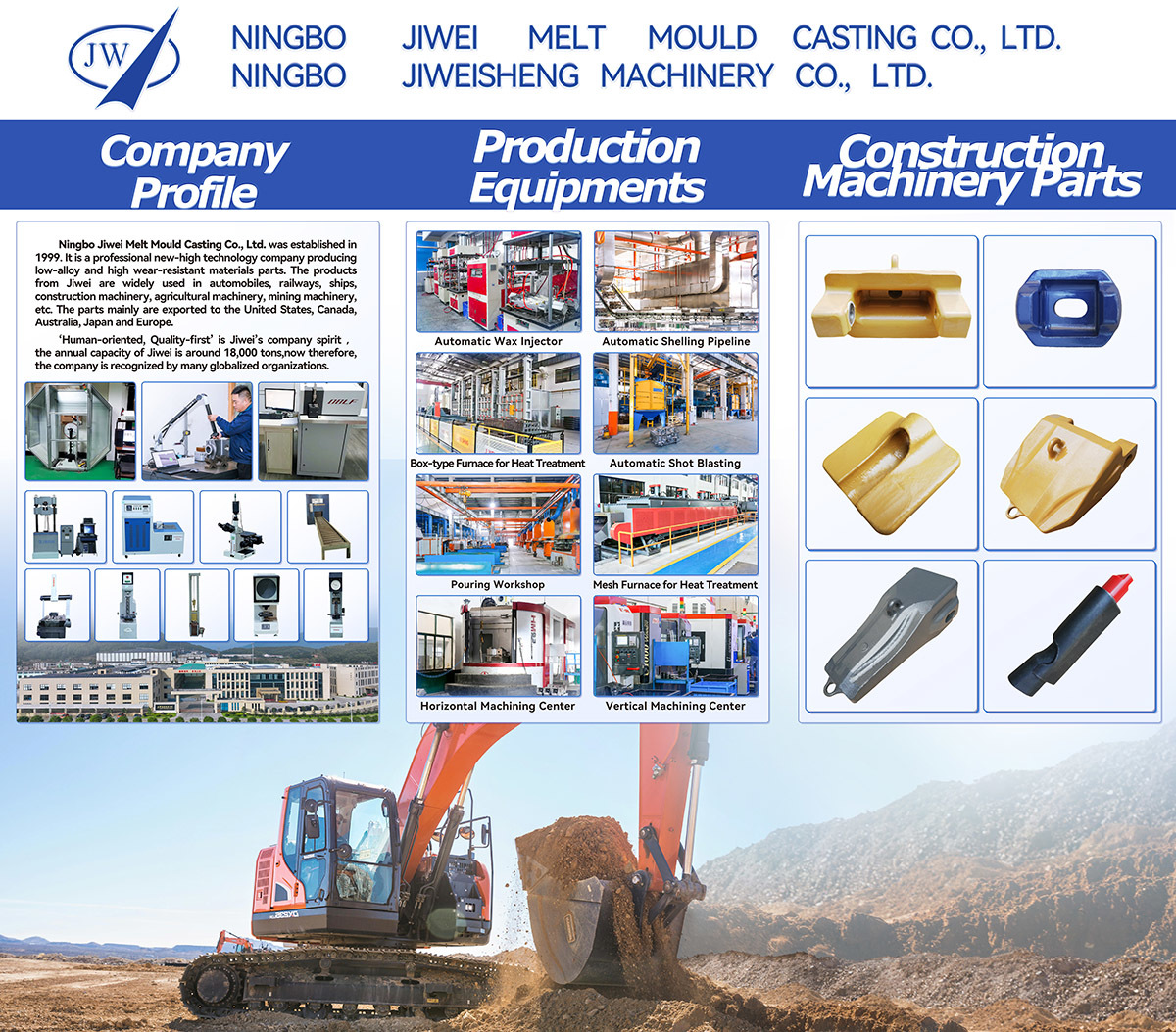
Apr 30,2025
2025 Mexico Exhibition
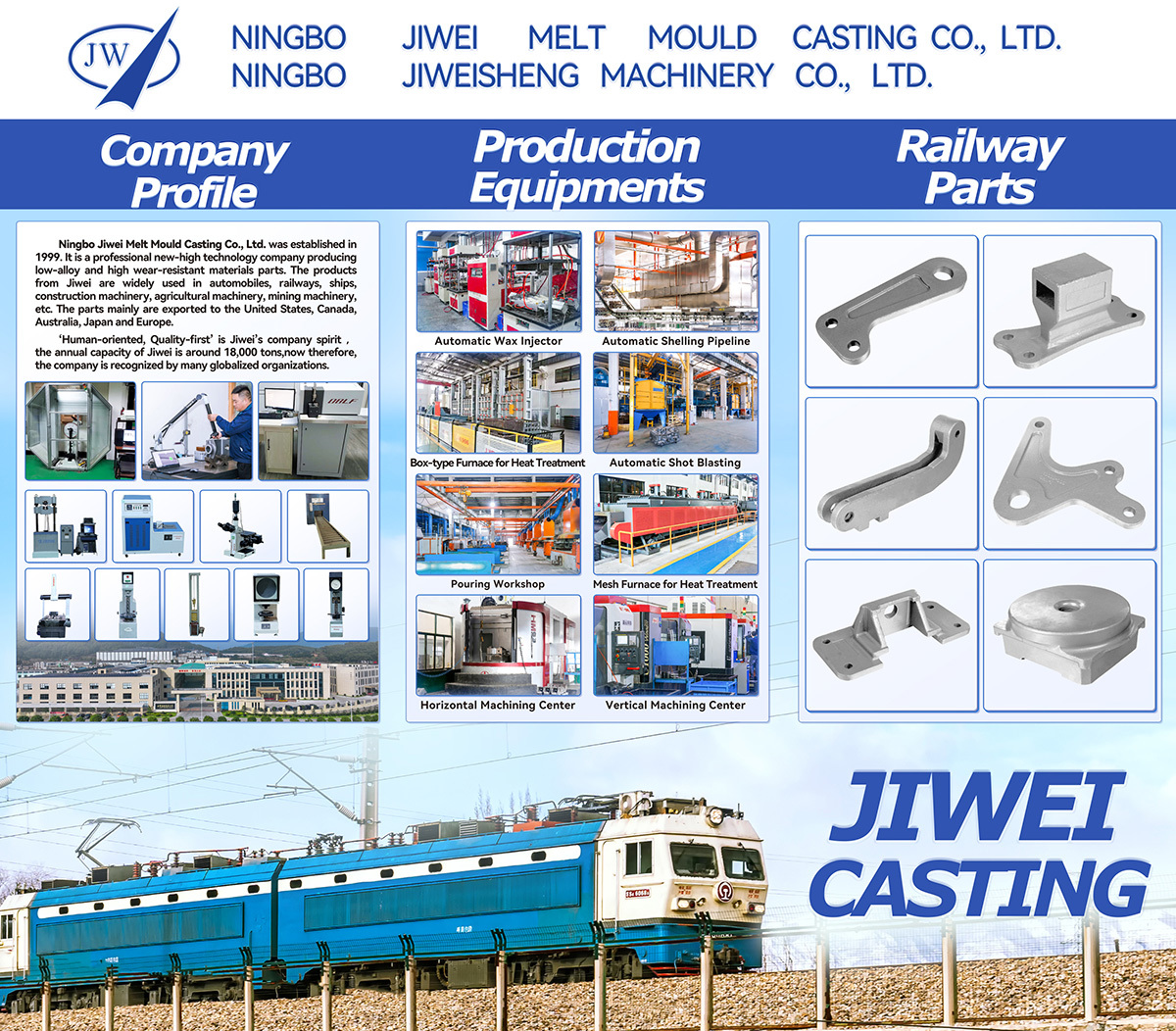
Apr 30,2025
2025 American Rail Show